
 Shears, demolition jaws for excavators
 Hydraulic drill rigs
 Hydraulic pile drivers for excavators
 Screening buckets for excavators
 Hydraulic grapples for excavators
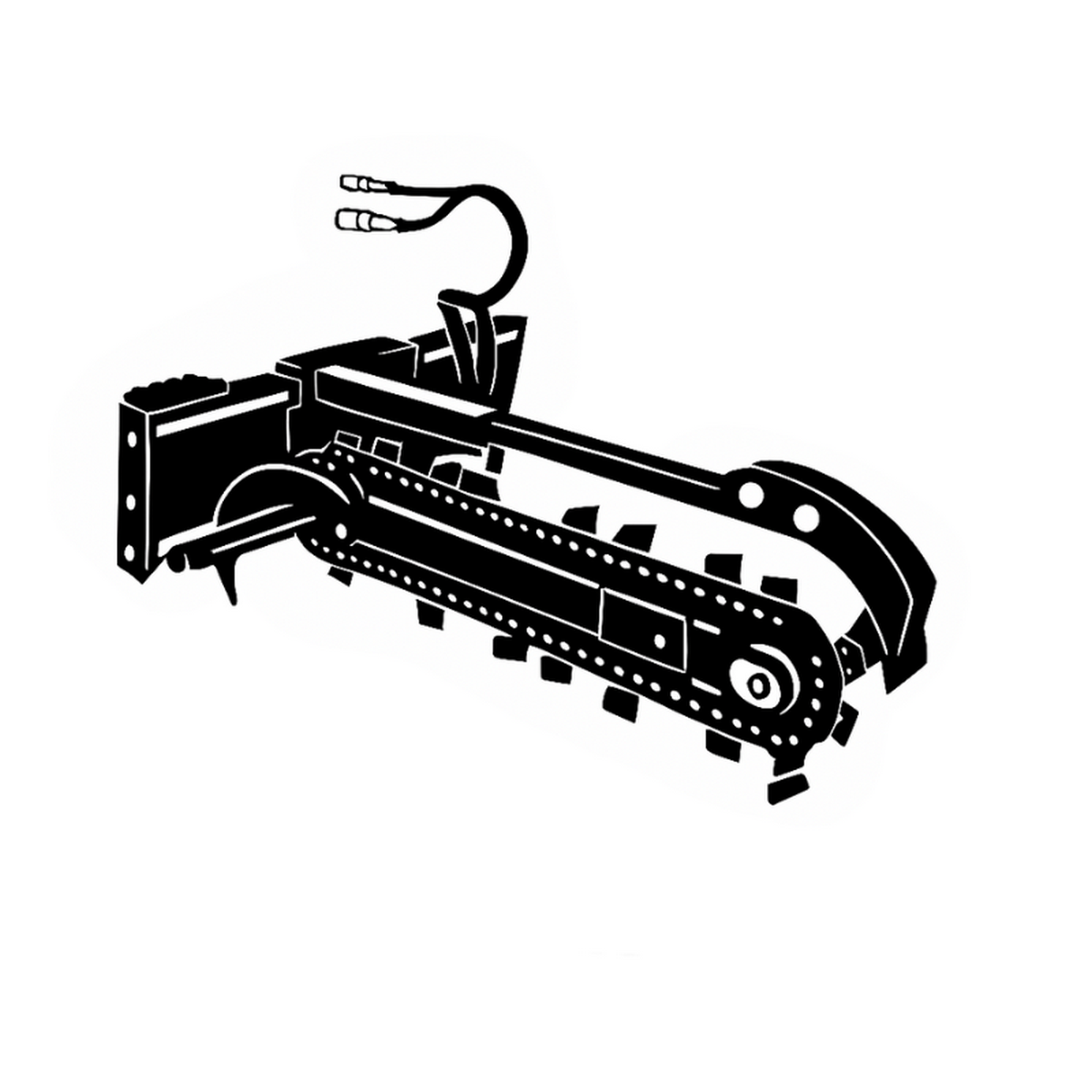 Chain trenchers
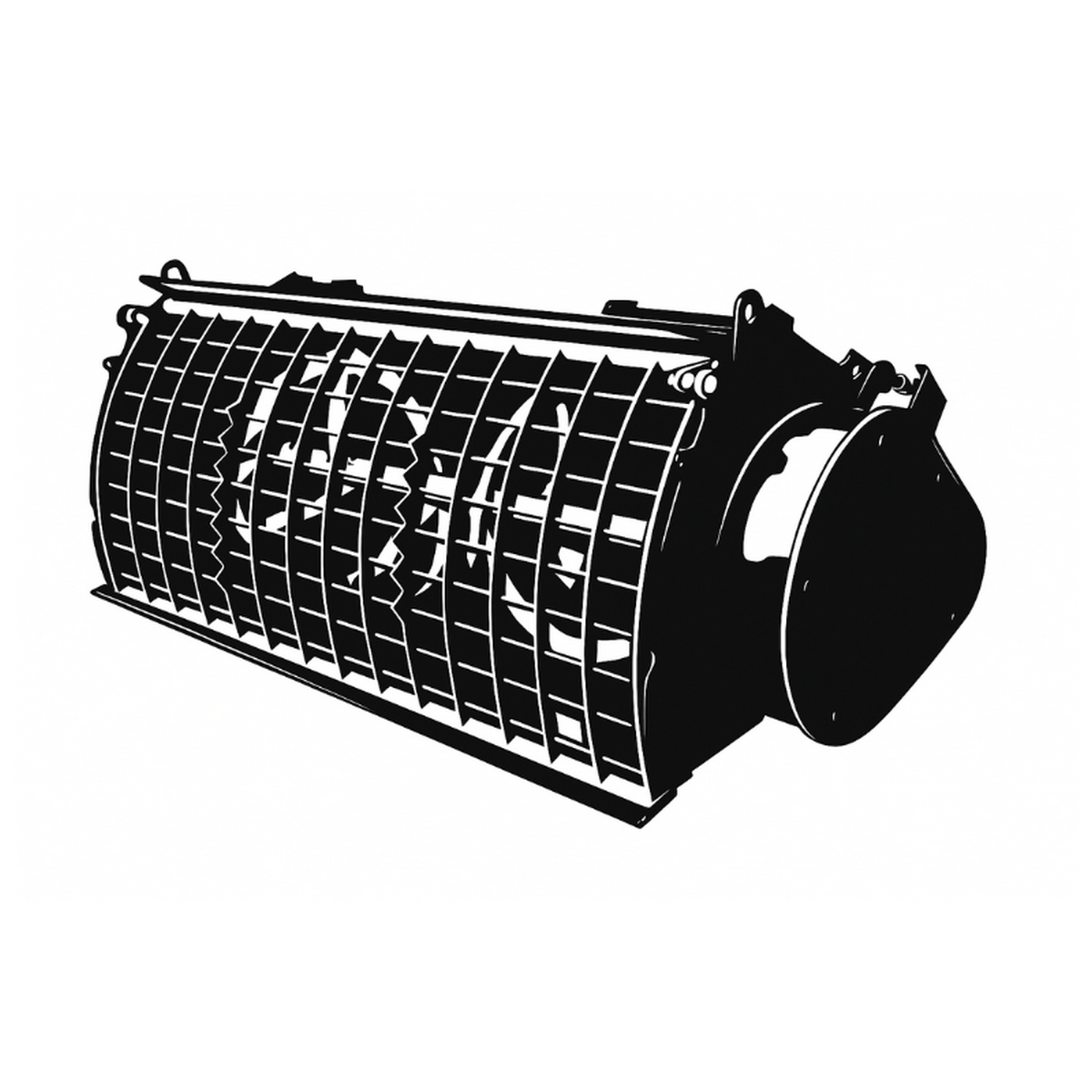 Mixing buckets for excavators
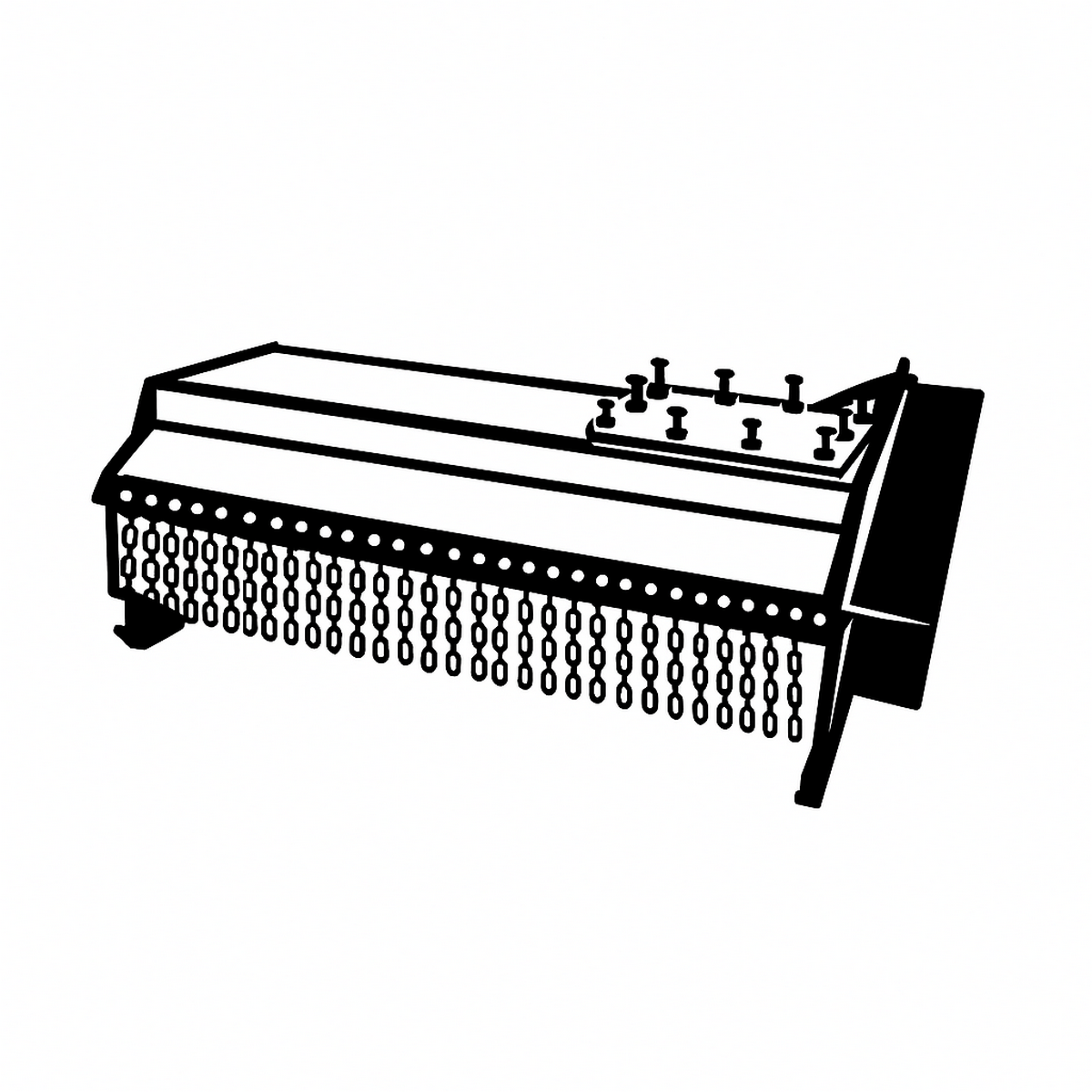 Flail mowers
The correct setting of operating pressure and oil flow in a hydraulic hammer determines whether the equipment will work at full power or just 'knock' on the material, wasting fuel and time. Although these parameters are often overlooked or set 'by eye', they are the ones that determine the real performance on site, equipment life and operating costs. In this post, I explain how hydraulic breakers work, why pressure and flow need to be perfectly matched, and what signs indicate that something worrying is starting to happen in the system - before failure occurs.
How does a hydraulic breaker work and why are pressure and flow crucial?
A hydraulic breaker for excavators works by using pressurised oil to move a piston that makes successive strokes. Pressure determines the force of each stroke and flow determines the number of strokes per minute.
In simple terms, the working cycle is as follows - oil fed from the excavator system enters the hammer with demolition breaker, pushes the piston and generates an impact towards the working tool. The oil then returns via a return line to the tank and the system performs another cycle. In many designs, a nitrogen accumulator also plays a key role, storing energy and releasing it during the impact, increasing its force.
From this follows a simple, practical model: pressure is responsible for the energy of the stroke and flow is responsible for the frequency of the strokes. Only a balance between these parameters gives optimum hammer performance.
What is the working pressure in a hydraulic hammer?
Working pressure is the value of the oil pressure at the hammer inlet at which the device reaches its nominal impact energy.
What are typical operating pressures?
For most hammers, the operating range is between 150 and 250 bar, depending on the class and model. As an example, a hammer with a demand of 100-180 l/min operates correctly at a pressure of around 180 bar, and the safety valve of the carrier system should be set roughly 35 bar above this value, i.e. around 215 bar.
What gives the correct operating pressure?
The correct operating pressure setting ensures that the hammer achieves its full impact energy, which translates into maximum crushing efficiency even on hard materials. With the correct pressure, the machine runs steadily, without interruptions, 'knocking' or loss of cycle, which significantly improves the work rate. An additional effect is a lower load on the excavator pump, which in turn extends the life of the entire hydraulic system and reduces the risk of costly breakdowns.
How does pressure affect impact energy and performance?
Higher pressure increases the force acting on the piston and therefore the energy of a single stroke. Lower pressure, on the other hand, causes a sharp drop in hammer power and real performance.
The most common symptoms of too low a pressure are:
- weak, 'hollow' blows,
- inability to break harder materials,
- irregular operation or lack of cycle initiation.
Symptoms of too high a pressure are different but equally dangerous:
- leaks at joints and hoses,
- breakage of bolts, welds and seals,
- overloading of the pump and rapid overheating of the oil.
It is worth noting that 'cranking up' the pressure beyond the manufacturer's recommended values does not increase the sustained output of the breaker - it only shortens the life of the entire hydraulic system.
What is oil flow and how does it affect stroke frequency?
Oil flow is the amount of oil delivered to the hammer in one minute. It determines how many stroke cycles the piston can make, and therefore how fast and efficient the hammer is.
Typical flow ranges are:
- 26-48 l/min for small hammers,
- 40-53 l/min for medium hammers,
- 120-150+ l/min for large hammers.
Correct oil flow ensures an optimum number of strokes per minute so that the hammer can operate at maximum power while maintaining the full energy of each stroke. Adequate flow also ensures stable, consistent operation without frequency drops, resulting in higher productivity and less stress on the hydraulic system.
Effects of too little and too much flow
Too little flow results in:
- low stroke frequency,
- irregular operation of the hammer or no cycle,
- risk of cavitation and oil overheating at system constrictions.
Too much flow results in:
- rapid heating of the hammer and oil,
- loss of viscosity and poor lubrication,
- accelerated wear of pump and valves.
What is back pressure and why can it stop the hammer?
Back pressure is the pressure in the oil return line. If it is too high, the hammer loses power, overheats and, in extreme cases, stops working.
The most common causes of increased back pressure are:
- too small diameter of the return line,
- mismatched quick couplings causing throttling,
- incorrect connection of the return via a manifold instead of directly to the tank.
The effects of increased back pressure are immediately noticeable: the oil temperature rises, the piston does not complete a full cycle, the impact energy drops and the hammer operation becomes irregular. To prevent this, the return line should be routed as directly as possible into the reservoir and be of sufficient diameter, as every additional choke in this circuit raises the temperature and reduces the efficiency of the entire system.
How do oil temperature and viscosity affect hammer performance?
The temperature and viscosity of the oil affect lubrication, flow resistance and impact stability, and are therefore crucial for long and trouble-free hammer operation.
Ideally, the oil should operate at 50-80°C. Oil that is too cold is dense and therefore generates pressure losses and makes cycle initiation difficult. Conversely, oil that is too hot quickly loses viscosity, leads to increased internal leakage and accelerated wear of working components.
The most common causes of overheating include:
- too much flow,
- high back pressure,
- dirty filters,
- insufficient oil in the system.
What are the most common symptoms of a drop in hammer performance and what can they mean?
A drop in hammer power, irregular strokes or rapid heating are typical symptoms indicating problems with pressure, flow or oil return parameters. Weak strokes are usually indicative of insufficient operating pressure, restricted flow caused, for example, by throttling on quick couplings or filters, or insufficient nitrogen pressure in the accumulator. Strong heating of the hammer and oil, on the other hand, occurs when the flow exceeds the permissible range, the return system is throttled or when the oil returns through the distributor instead of directly to the tank.
Equally characteristic signals of performance loss are irregular strokes and interruptions, which are most often due to the presence of air in the system (cavitation), unstable pilot pressure or debris blocking the control valves. All of these phenomena lead to a loss of impact energy and a reduction in the hammer's real efficiency, so their prompt diagnosis is crucial to protect the hydraulics and maintain high performance during operation.
Even the best adjusted equipment will not achieve the expected performance without quality components. Only robust hoses, couplings, seals and hydraulic components can withstand real workloads and ensure stable performance over the long term. At Techa Poland, we offer parts for excavators that meet the highest standards of durability and compatibility to provide a reliable foundation for hydraulic breakers to work reliably and efficiently. If you're looking for long equipment life and maximum productivity on site - go for solutions that simply last longer.
FAQ
- Does higher pressure always mean a more powerful hammer stroke?
No - only up to the value recommended by the manufacturer. Above this, the risk of damage increases, the impact energy does not increase linearly and system overload quickly occurs.
- What happens if the oil flow is too low?
The hammer will hammer more slowly or not initiate a cycle at all. Prolonged operation at too low a flow rate can lead to cavitation and overheating of the oil.
- Can too much oil flow increase hammer performance?
No - once the maximum flow range is exceeded, the impact energy does not increase and the excess oil is converted into heat. This results in overheating and excessive wear on hydraulic components.
- How do I check that the hammer has the correct operating pressure?
Take a measurement with a pressure gauge with the oil heated to operating temperature. The parameter should be within the range specified in the hammer's documentation.
- Does the diameter of the hydraulic lines affect the hammer performance?
Yes - hoses that are too narrow or quick couplings can choke the flow and generate high back pressure. This leads to a loss of power and a rapid increase in oil temperature.
- What are the symptoms of too high back pressure?
Generally, overheating of the oil, irregular operation and lack of a full piston cycle occur. In extreme cases, the hammer may stop working altogether.
- Does the condition of the nitrogen accumulator affect the power of the hammer?
Yes - too low a nitrogen pressure weakens the impact energy and worsens the dynamics of the hammer. Regularly checking the pressure in the accumulator is key to maintaining full power.
- Can oil temperature affect operating pressure?
Absolutely - hot oil loses viscosity, internal leakage increases, which lowers the actual pressure on the hammer. Oil that is too cold, on the other hand, increases flow resistance.
- Does low hammer performance always mean a problem with the excavator's hydraulics?
Not always - the cause can also be wear on the bushing, piston or valves inside the hammer. Therefore, diagnostics should include both the excavator with demolition breaker as well as the breaker itself.
- How often should the pressure and flow parameters be checked?
Ideally each time the breaker is fitted to the excavator and when changes in its behaviour are noticed. Regular checks avoid expensive repairs and long downtimes.
Read also:
-
- The wrong breaker is a big problem. How do you choose the right model for your excavator?
- How does a hydraulic breaker work?
- Hydraulic breakers for excavators with demolition breaker - what to look for when choosing one?
- Excavator demolition breaker operation - how to extend its life?
- When to buy a demolition hammer and when to rent one?
- New tempts with warranty, used with price - how to make a good decision when buying a hydraulic breaker?
- The most common faults and failures of hydraulic hammers - how to solve them?
- Hydraulic breaker versus pneumatic breakers for excavators - differences, disadvantages, applications
- Hammer or hydraulic hammer breaker - which will work better on your excavator?
- Don't choose blindly - find out the real differences between hammer and vibratory hammer
- Hydraulic hammer lubrication - which hammer lubricant to choose?
- How to choose a hydraulic breaker for mini excavator?
- Top 10 uses for hydraulic hammers in construction and demolition
- How to connect a hammer for excavator with demolition breaker?
 Previous
