
 Shears, demolition jaws for excavators
 Hydraulic drill rigs
 Hydraulic pile drivers for excavators
 Screening buckets for excavators
 Hydraulic grapples for excavators
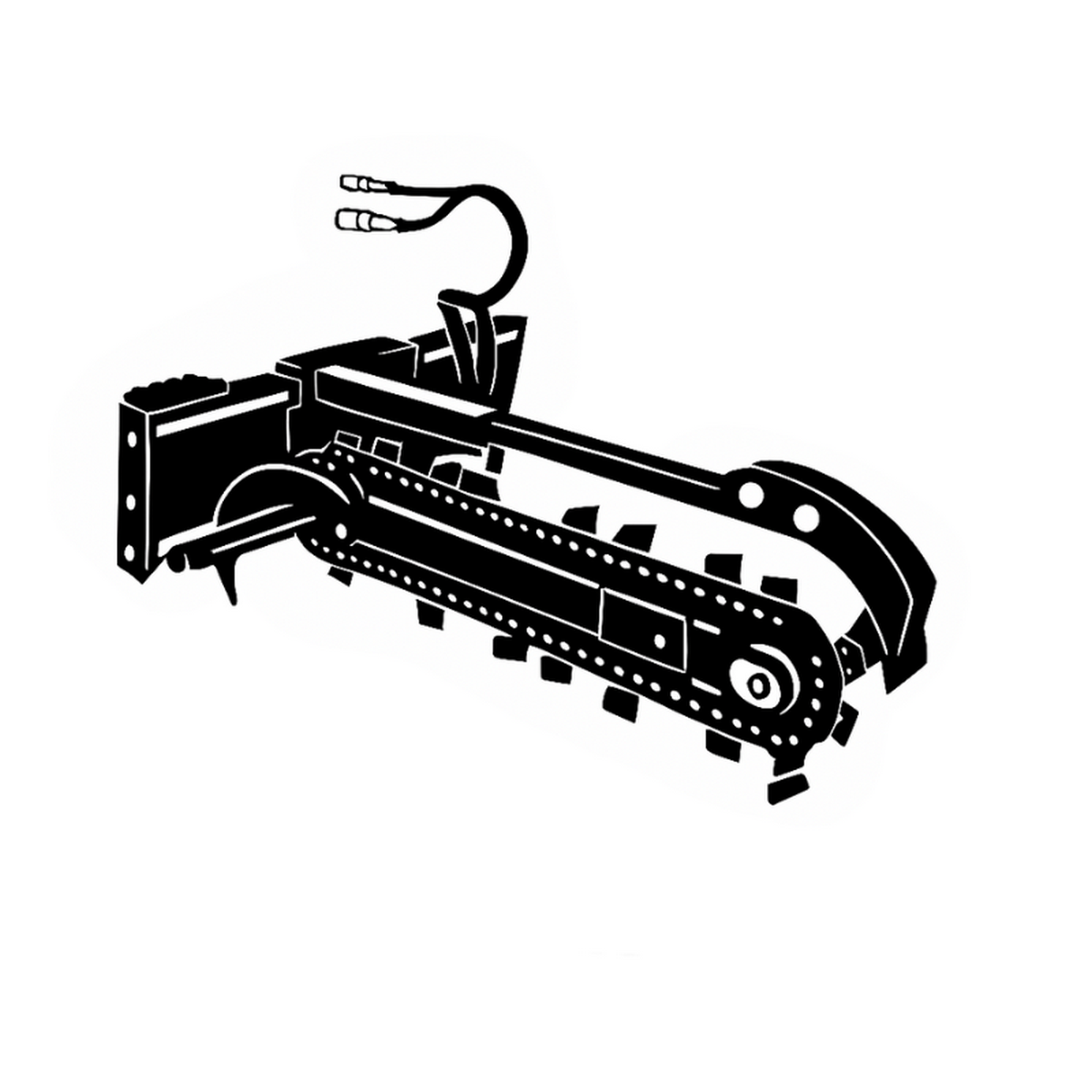 Chain trenchers
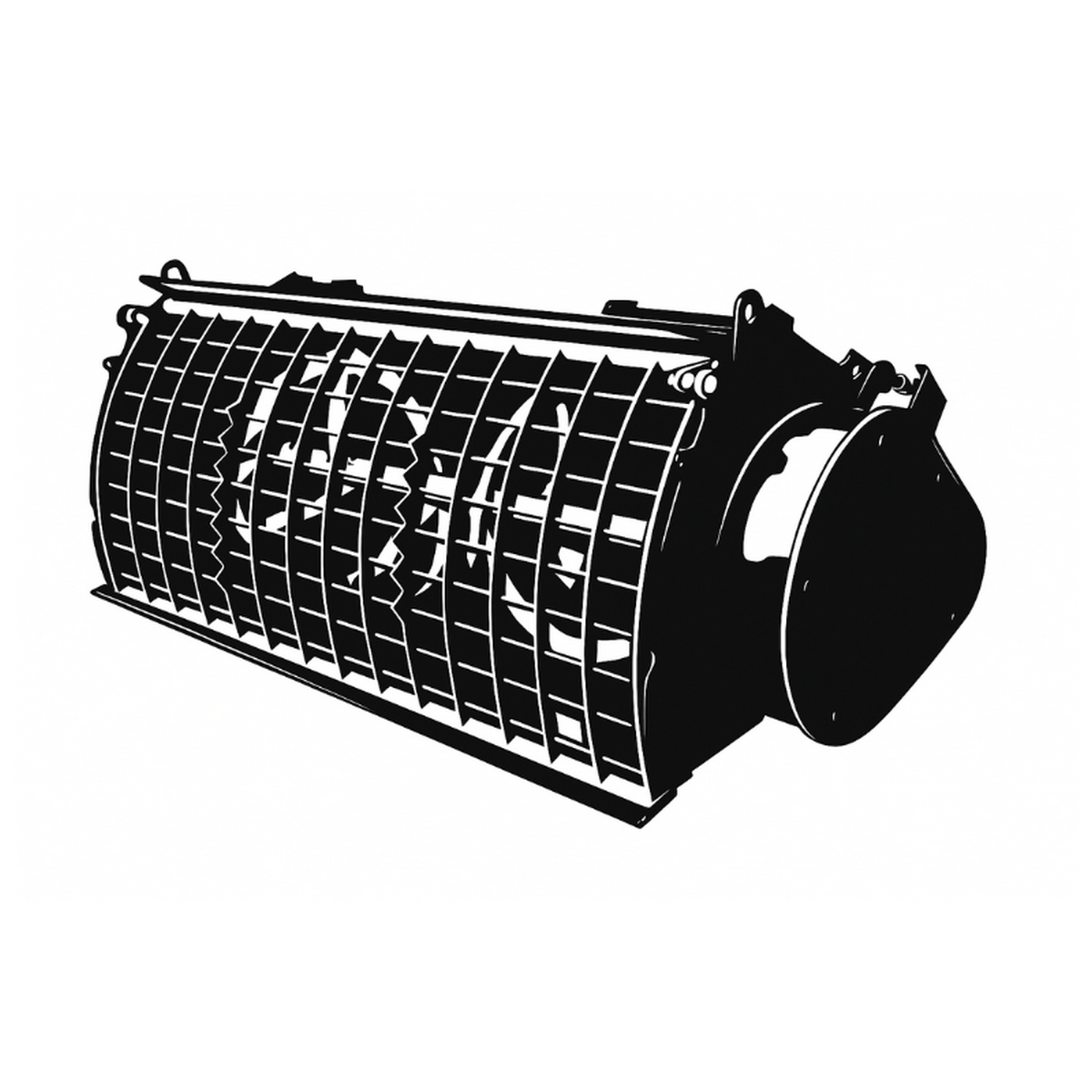 Mixing buckets for excavators
 Flail mowers
A hydraulic breaker is an attachment for excavator with demolition breaker that allows the excavator to crush concrete, asphalt and hard surfaces thanks to the energy of the hydraulic system. Correct installation is crucial, as it determines both productivity and the safety of the operator and machine. Below you will find complete instructions to get you started - regardless of the brand of excavator with demolition breaker.
How do you choose a hammer for excavator with demolition breaker? Key parameters
Hammer selection is based on excavator weight, oil flow, pressure and attachment type. Not every hammer will fit every machine - and vice versa.
This is something you need to check before buying or fitting:
- excavatorweight (e.g. TE-45/TE-53 → mini-excavators; TE-85/TE-100 → 10-25 t),
- oil flow in l/min,
- working pressure,
- type of quick coupling or adaptor plate,
- diameter of the hoses and type of hydraulic connection.
The wrong hammer for excavators with demolition breaker can cause overheating of the system, loss of power or damage to the hydraulics. In practice, this means that the excavator operates under too much load, the oil heats up more quickly and the valves and pump may operate outside their safety range. If the flow is too low, the hammer 'fails' to break out with full force; if it is too high, you risk unsealing the lines and excessive wear on the hammer components. Therefore, the parameters of the two devices must be precisely matched, otherwise the whole system can fail much faster than with the correct configuration.
Adapters and mounting plates are required when the hammer is not factory-fitted to a particular model of excavator. This applies to both mechanical assembly and hydraulics.
How do I prepare the excavator with demolition breaker before installing the breaker?
The excavator must be stably positioned, switched off and the hydraulic circuit unpressurised. Only then is the assembly safe and in accordance with the manufacturers' recommendations.
Preparation should include:
- placing the machine on a level, firm surface,
- blocking arm movements,
- switching off the engine,
- unloading the hydraulic pressure,
- checking filters and condition of quick couplings,
- analysing the technical documentation of the excavator with demolition breaker.
It is also important to bear in mind that different models run on different carriers:
- TE-45/TE-53 - mini excavators/mini-loaders,
- TE-60/TE-75 - backhoe loaders and excavators 3.5-10 t,
- TE-85/TE-100 (excavators 10-25 t).
Depending on the machine , different mounting plates, quick couplings, sometimes additional shut-off valves or adaptors are needed - the manufacturer itself indicates that sometimes modifications or additional attachments are required
What is the step-by-step mechanical installation of the hammer?
The hammer is first placed firmly on the ground, then the excavator is driven up and the attachment is fastened to the quick coupler or pins.
Installation diagram
- Place stable beams or base under the hammer.
- Drive the excavator with demolition breaker and position the frame over the hammer attachment.
- Clamp quick coupler or insert pins as instructed.
- Check the locks are closed.
- Assess the clearance on the bushings - there should be no deviation.
Correct mechanical installation is crucial to the safety and longevity of the entire system. All fastening elements - pins, bushings, quick release locks - must work axially and without any irregularities, as they carry the greatest loads during forging. Careful inspection of the assembly at this stage prevents later failures, excessive wear and uncontrolled vibrations that can damage both the hammer and the excavator arm.
How do I connect the hammer hydraulics correctly?
Correctly connecting the hammer hydraulics starts by connecting the lines with the machine fully switched off and the system pressure discharged. The supply line should be connected to the 'flow' output and the return line to the 'return' output, paying particular attention to maintaining the correct direction of flow. It is also very important that the quick couplings are clean, in accordance with the manufacturer's requirements and free from any debris that could enter the system.
The next step is to verify the presence of a shut-off or bypass valve in the hammer circuit and to ensure that the hoses are correctly routed - without twists or excessive tension. Loosely routed lines reduce the risk of oil rupture and overheating. It is worth remembering that confusion of supply and return lines is one of the most common causes of failure in freshly installed breakers, so checking the direction of flow is absolutely essential.
How do I test for correct operation after connection?
The test is performed at low hydraulic speed, observing pressure, oil temperature and mainsail operation.
What to monitor during the test:
- hammer vibration,
- response delays,
- leaks on fittings,
- oil temperature rise,
- evenness of blows.
If anything deviates from the norm, stop operation and return to flow and pressure settings. Even small deviations - such as too slow a mainsail response, excessive vibration or a rapid rise in oil temperature - can mean that the hydraulic system is incorrectly configured. If this is the case, it is necessary to re-check the parameters of the hammer and the excavator with demolition breaker, correct the flow values and make sure that all connections are correctly connected. Only when the anomalies have been corrected can the hammer be moved to full load and proper work can begin.
The most common hammer installation mistakes - how to avoid them?
The most common mistakes when assembling a hammer are mainly due to incorrect accessory selection, working with cold oil and incorrect use, such as using the mainsail as a lever. Problems also arise when the hammer is mismatched to the weight of the machine, regular lubrication is lacking and the operator ignores the first signs of wear, such as play on the pins or uneven operation of the tool. Each of these factors increases the risk of the system becoming overloaded and components wearing out more quickly.
It is extremely important not to start work with cold oil and to keep an eye on servicing after the recommended number of hours, as it is neglect of service that most often leads to failure. Undermining the excavator with a spearhead or ignoring leaks are practices that can rapidly lead to mechanical and hydraulic failures. All of the aforementioned mistakes reduce the life of the breaker in real terms and put a heavy strain on the hydraulic system, so precise installation and correct operation are key to the safety and longevity of the equipment.
Bottom line - where do I start when installing a hydraulic breaker?
The most important thing is to select the right hammer for excavators with demolition breaker, check the hydraulic parameters and ensure a stable mechanical assembly. Only then does it move on to connecting the lines and performing tests.
Remember:
- read the instructions of both manufacturers,
- do not run the hammer with cold oil,
- lubricate the tool regularly and check for play,
- perform maintenance after the recommended number of operating hours.
An assembly prepared in this way is safe, efficient and ensures a long life for the hammer.
If the hammer assembly is to be trouble-free and its operation maximised, it is crucial not only to follow the assembly rules, but also to choose the right attachment. The right hammer, compatible quick couplings and robust hydraulic components significantly extend the service life of the entire system and increase safety on site. Therefore, before purchasing, it is advisable to reach for solutions that are proven and tailored to the specific machine model. TEchna Poland offers a wide range of demolition breakers for mini loaders, demolition breakers for 3.5-10 t excavators, hydraulic breakers for 10-25 t crawler excavators and demolition breakers for backhoe loaders, so you can easily find the right attachment for your machine and type of work.
We encourage you to check out the full range of attachments for excavators available at Techna Poland, where you can find hammers for different classes of carriers, as well as mounting accessories, hydraulic breakers for excavators, hydraulic breakers for excavators, hydraulic breakers for excavators, hydraulic breakers for excavators, hydraulic breakers for excavators, hydraulic breakers for excavators, hydraulic breakers for excavators, hydraulic breakers for excavators, hydraulic breakers for excavators, hydraulic breakers for excavators, hydraulic breakers for excavators, hydraulic breakers for excavators, hydraulic breakers for excavators, hydraulic breakers for excavators, hydraulic breakers for excavators and hydraulic breakers for excavators.
FAQ
- Can any hydraulic breaker be mounted on any excavator?
No - each breaker has a specific carrier weight range and hydraulic parameters that must be compatible with the machine. Incorrect selection can lead to hammer failure or overloading of the excavator's hydraulic system.
- How do I check if the oil flow in my excavator with demolition breaker matches?
The best way is to read the data on the nameplate or technical documentation of the excavator. Compare the parameters with the data sheet of the chosen breaker and, if in doubt, consult the attachment manufacturer.
- Do I need special couplings to fit the breaker?
Yes, quick couplings must be compatible with both the hammer and the machine's hydraulic outlets. Incompatible couplings can restrict flow or lead to leaks.
- Can I connect the hammer without a shut-off valve?
On some machines, a shut-off or bypass valve is necessary for system safety. Its absence can lead to excessive pressure and damage to hydraulic components.
- Why doesn't the hammer hammer kick out with full force after installation?
The most common cause is improper oil flow or poor hydraulic parameter settings. It can also be due to clogged filters or leaks at the couplings.
- Can I use the hammer immediately after connecting it, without warming up the oil?
No, working with cold oil significantly increases the wear on the hammer and the load on the hydraulic pump. The oil should reach operating temperature to ensure proper lubrication and pressure.
- What should I do if the hammer vibrates a lot during operation?
Excessive vibration is usually an indication of clamping clearances, incorrect flow parameters or tool wear. Work should be stopped and both the mechanical assembly and hydraulic settings checked.
- How often does the hammer tool need to be lubricated?
Lubrication should be done regularly, usually every 1-2 hours of operation, according to the manufacturer's recommendations. Constant lubrication protects the tool from overheating and wear.
- Can the hammer be used to jack up concrete or an excavator with demolition breaker?
No - the hammer is not a lever and such use leads to cracks in the bushings, pins and body of the hammer. It also risks serious damage to the excavator arm.
- What should I do if an oil leak appears on the quick couplings after connection?
Stop work immediately and check the condition of the seals and the compatibility of the quick couplings. A leak usually means dirty, worn or improperly matched couplings.
Read also:
- The wrong hammer is a big problem. How do you choose the right model for your excavator?
- How does a hydraulic breaker work?
- Hydraulic breakers for excavators with demolition breaker - what to look for when choosing one?
- Excavator demolition breaker operation - how to extend its life?
- When to buy a demolition hammer and when to rent one?
- New tempts with warranty, used with price - how to make a good decision when buying a hydraulic breaker?
- The most common faults and failures of hydraulic hammers - how to solve them?
- Hydraulic breaker versus pneumatic breakers for excavators - differences, disadvantages, applications
- Hammer or hydraulic hammer breaker - which will work better on your excavator?
- Don't choose blindly - find out the real differences between hammer and vibratory hammer
- Hydraulic hammer lubrication - which hammer lubricant to choose?
- How to choose a hydraulic breaker for mini excavator?
- Top 10 hydraulic hammer applications in construction and demolition
- Working pressure and oil flow in hydraulic hammers
 Previous
