
 Shears, demolition jaws for excavators
 Hydraulic drill rigs
 Hydraulic pile drivers for excavators
 Screening buckets for excavators
 Hydraulic grapples for excavators
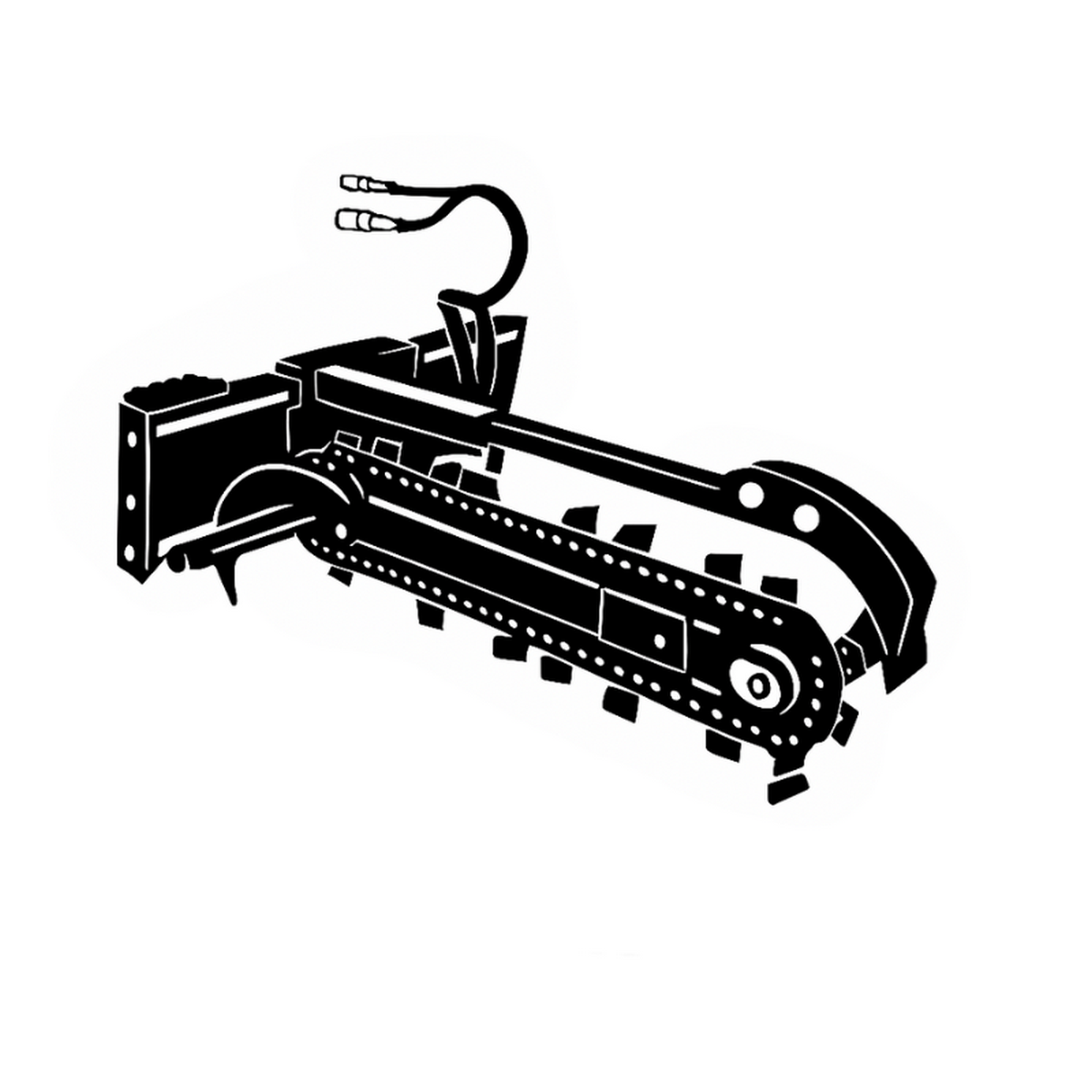 Chain trenchers
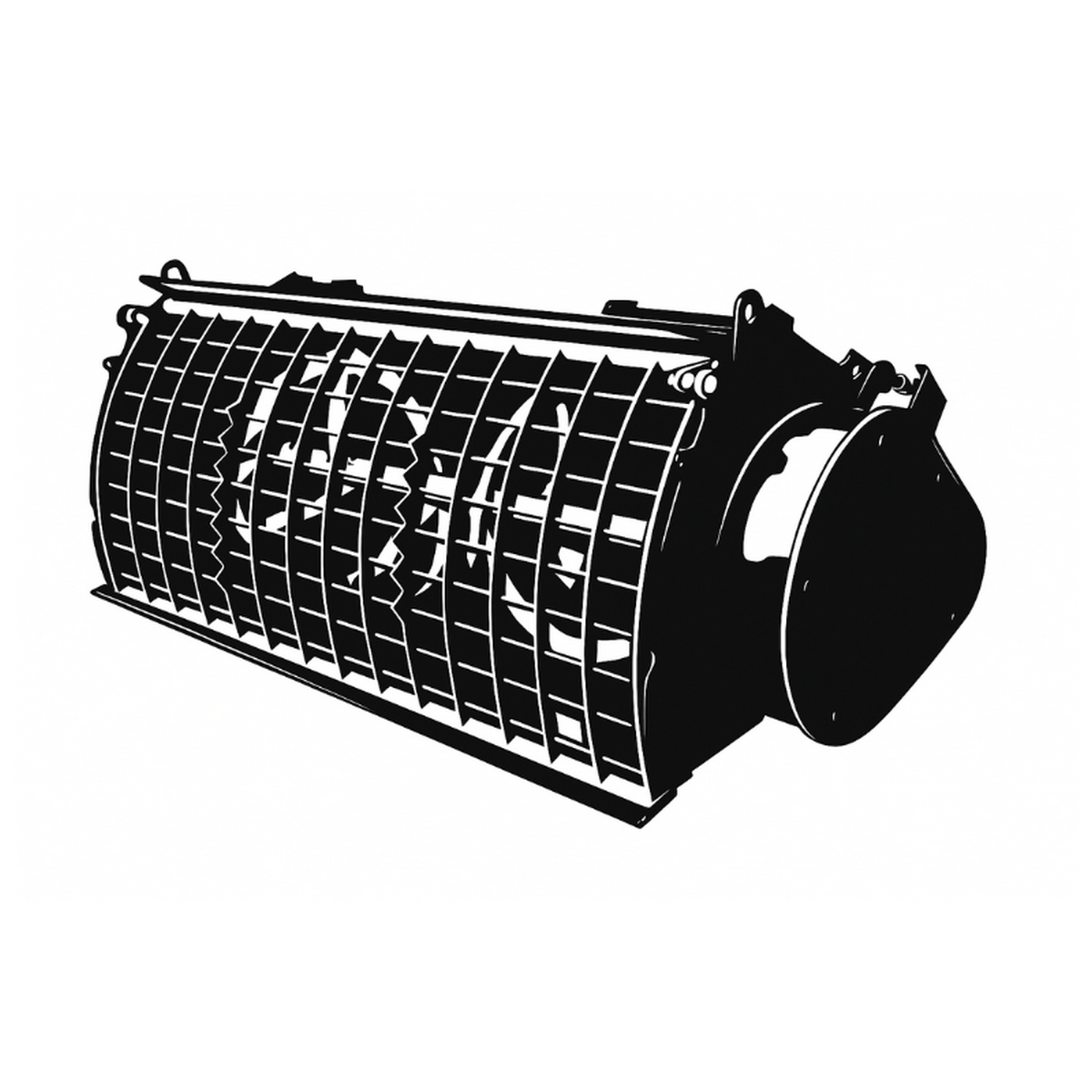 Mixing buckets for excavators
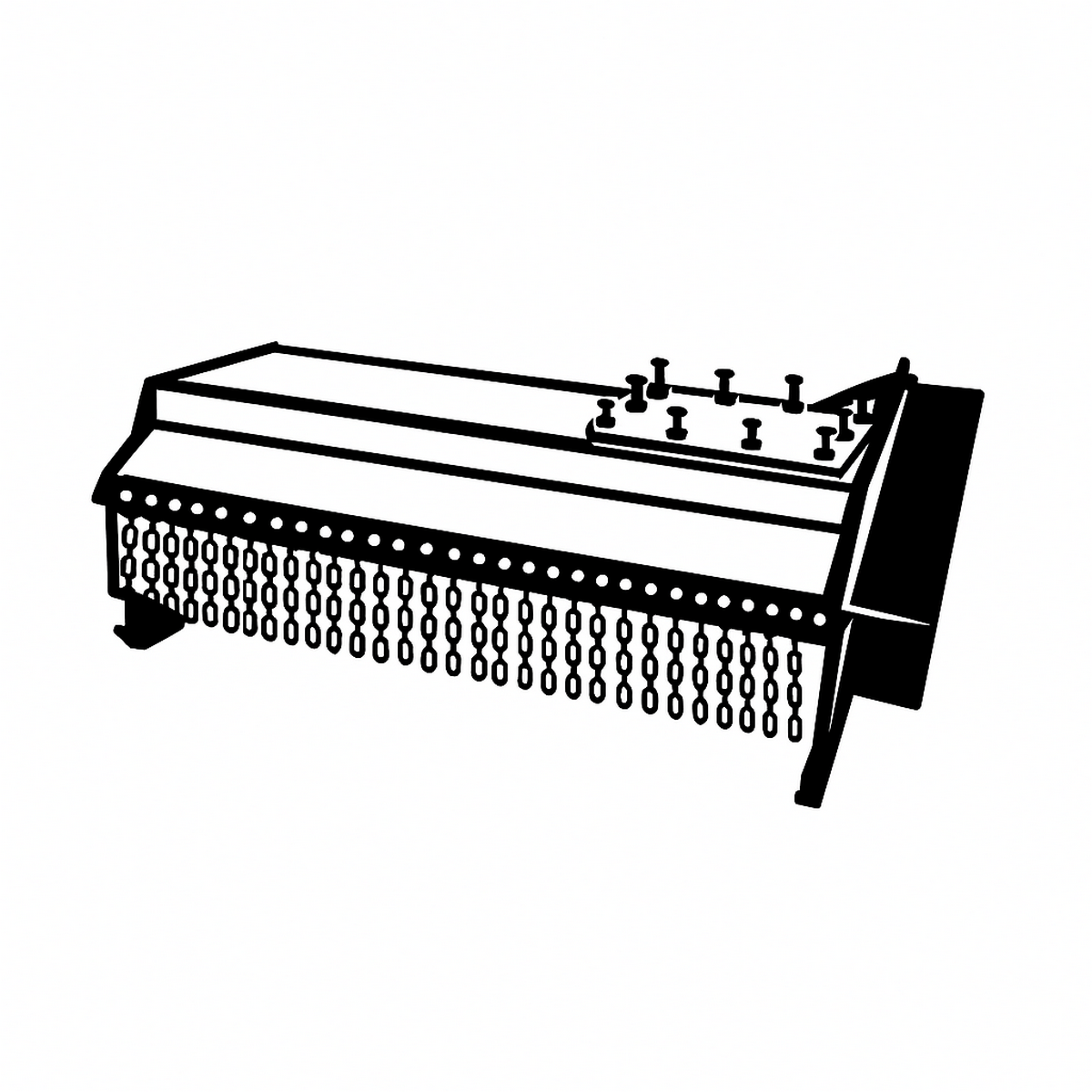 Flail mowers
Difficult terrain can verify even the best drilling plan after the first few metres. The wrong rig, the wrong method or ignored geology is the shortest route to downtime, losses and nervous decisions on the job. If you want to know how to choose equipment and technology so that the well actually reaches the end and doesn't stop at the 'problematic layer', this guide will take you through the real choices - without theory, but with practical consequences.
Before you drive into the field: how soil type determines whether the rig will 'go' or stand after 3 metres
The type of soil is not an add-on to planning a borehole, it is the starting point. If you end up with loose sand, the problem is not the hardness, but the stability of the borehole - the walls can cave in faster than you can control the progress. In that case, it's how you drill, the pace, the mud pressure or the ability to pipe immediately that matters. Clay, on the other hand, can be treacherous - soft at the start, but sticky and clogging up the tools when wetter. Here, it's not the most power that wins, but control of torque and hydraulics. The biggest mistake is to assume that 'somehow it will drill through', because that's when the rig stalls and costs start to rise faster than the depth of the well.
An even different conversation starts with solid rock and granite. In this case, the classic rotary approach loses its meaning very quickly. Without an impactor, a DTH hammer or suitable hydraulic attachments, progress is illusory and tool wear is enormous. In Poland, you are very often dealing with mixed geology, where layers change every few metres - sand changes to clay, then to gravel, and then you hit rock. Therefore, choosing a drill rig 'by eye' or only for one type of soil is a simple way to stop the work. If you don't match the machine to the real conditions underground, no operator can save the well.
Scrubber, percussion or DTH hammer? A practical choice of drilling method in difficult terrain - no theory, but consequences
The mud method is tempting because it seems the simplest and cheapest to start with. And indeed - in homogeneous, stable ground it works very well. The problem begins when the soil does not hold the walls and the mud, instead of stabilising, starts to wash the material out from under the tool. In such conditions, progress may look good for the first few metres and then suddenly there is a clamping, collapse or loss of the hole. It's not a matter of operator experience, it's the physics of the ground. The mud works when you have control over the flow and structure of the hole - in difficult terrain, this control is often simply not there.
The DTH impactor and hammer are in a completely different league in terms of predictability of effect. The DTH works where revolutions cease to matter and what matters is the energy of the impact directly at the bottom of the hole. It is a more expensive solution, requiring a compressor with the right performance, but in rock and hard ground it is often the only sensible choice. Importantly, DTH minimises the risk of the drill rig getting 'stuck' because it does not rely on friction of the borehole walls. If the terrain is heterogeneous, the decision on drilling method should not be a price compromise, but an answer to the question: do you want to drill to completion or just try.
In such conditions, Techna Poland's hydraulic drill rigs offer a real advantage as they allow you to select the drilling method to suit the ground, not the other way around. For work in variable geology and in confined spaces, a hydraulic drill rig for a 1.0-3.0t mini excavator, which combines mobility with a solid power reserve, will work well. For more difficult ground and deeper boreholes, the TEHB8000 hydraulic drill for tracked excavators is designed for stable operation in demanding terrain and under impact or DTH sets.
A drill rig that doesn't turn back - which machines really handle the sludgy sand, rock and mixed geology of Poland
In difficult terrain, it's not the smallest or largest drill rig that wins, it's the one with a reserve of capabilities. Compact machines, such as ADLER drill rigs, work well where mobility, limited space and quick entry into the field are important, but on condition that you do not exceed their real geological capacity. When dealing with mixed soils, hydraulics - stable, predictable, allowing precise control of pressure and rotation - become crucial. That's why excavator-mounted hydraulic drill rigs are increasingly being chosen, giving you the flexibility and ability to respond to ground changes as you work.
If you know you're facing rock or difficult sand, DTH-ready kits stop being an option and become a necessity. It's not just the drill rig itself, but the complete system - compressor, hammer, appropriate hoses and attachments. In practice, this means a higher cost of entry, but also a lower risk of interrupting the well.
It is worth looking here at our range of hydraulic drill rigs available in the category where it is easy to select a model for specific site conditions, rather than trying to match the site to the machine. The equipment has to work for you, not the other way around.
Symmetrix in practice: technology that saves drilling in 'impossible' terrain - when it's worth paying extra and having peace of mind
Symmetrix technology is a solution that is changing the approach to mixed soils. Its biggest advantage is simultaneous drilling and casing, which means that the borehole walls are secured on the fly, without waiting for the next steps. In practice, this eliminates the biggest problem of difficult terrain - ground settlement and loss of borehole stability. Symmetrix works where classic methods fail: sand-rock transitions, gravel with water, unstable transition layers. It is not a 'one-size-fits-all' technology, but where risk is high, it often proves to be the only sensible solution.
The Symmetrix surcharge is not just about the cost of the tool. It's about saving time, less wear and tear on the equipment and, most importantly, not having to correct the well. On the equipment side, it requires the right drill rig, compatible pipes and precisely matched attachments, but the end result is predictable.
If you already know that difficult terrain is not forgiving of haphazard decisions, the next step should be to choose equipment that can realistically handle the challenges underground. The excavator attachments available from Techna Poland are designed precisely for drilling in demanding conditions - where stability, precision and the ability to react quickly to changing geology are important. Whether you're working in mixed ground, loose sand or rock transitions, a well-chosen hydraulic drill rig and compatible attachments allow you to drill without downtime or nervous improvisation. Rather than adjusting the terrain to suit the machine's capabilities, choose solutions that are designed to make the terrain no longer a problem and the well finish exactly where it should.
FAQ
- Can one drill rig cope with all types of ground?
There is no one-size-fits-all drill rig that is ideal for all conditions, especially with mixed geology. It is crucial that the machine has a power reserve and the ability to work with different technologies (rotary, percussion, DTH). - When does the mud method cease to make sense?
The mud method loses its effectiveness in unstable and subsidence soils, where it is difficult to support the borehole walls. In such conditions, the risk of collapse or loss of the borehole is very high. - Will the DTH hammer perform well in sand and clay?
The DTH performs best in rock and very hard soils, but in loose sand or plastic clay it can be ineffective without adequate borehole protection. In such cases, simultaneous piping is often necessary. - How do you recognise that Symmetrix technology is worth using?
Symmetrix makes sense when documentation or field experience indicates a risk of subsidence and variable soil layers. It is a particularly cost-effective solution for sand-rock transitions and in hydrated soils. - Can a drill rig on a mini excavator cope with difficult terrain?
Yes, but only with the right choice of attachments and a realistic assessment of depth and soil type. Hydraulic drill rigs on mini excavators work great in confined spaces, but will not replace heavier equipment in very demanding conditions. - Why is hydraulics so important when drilling a well?
Stable hydraulics allow precise control of pressure and torque, which is crucial in problematic soils. Without this control, even a powerful drill rig can get stuck or lead to tool damage. - Does iNamiot offer drill rigs designed for well drilling?
No. This article is an advisory and educational piece and focuses on the principles of selecting drill rigs for wells. Although wiNamiot find drilling rigs and drilling equipment, these are not solutions designed for well drilling. The technologies and examples described in the text are informative and do not represent a direct reflection of the offer.
 Previous
