
 Shears, demolition jaws for excavators
 Hydraulic drill rigs
 Hydraulic pile drivers for excavators
 Screening buckets for excavators
 Hydraulic grapples for excavators
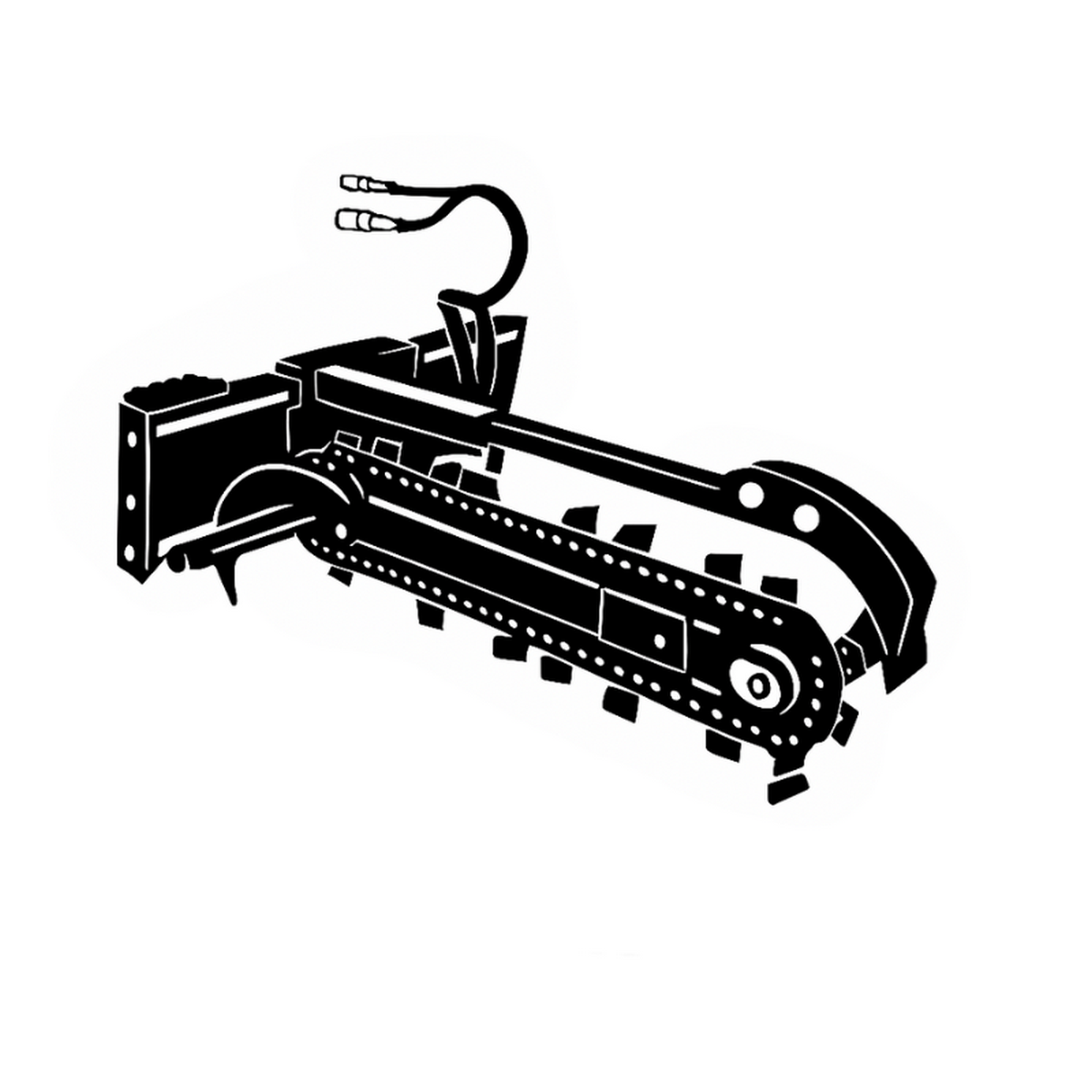 Chain trenchers
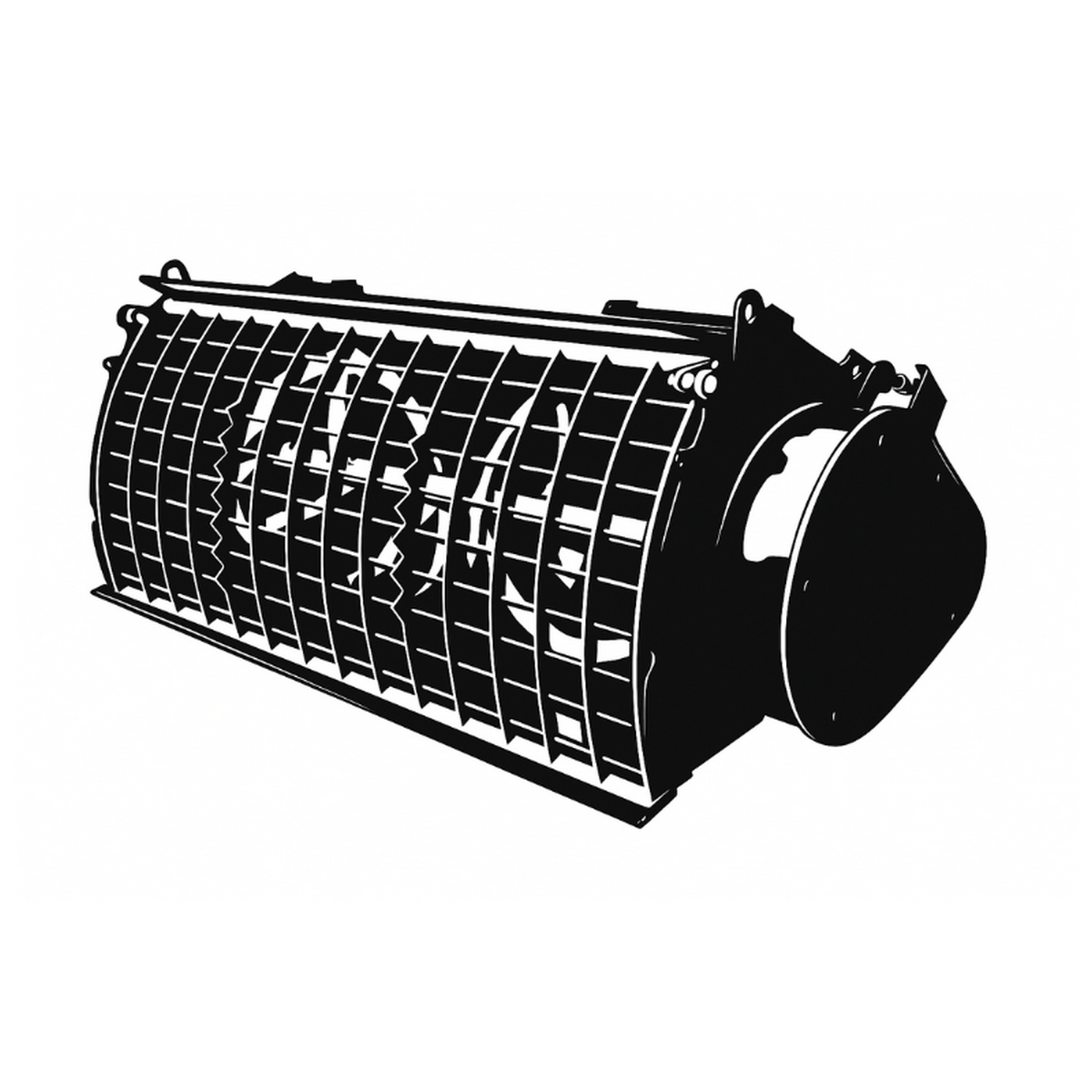 Mixing buckets for excavators
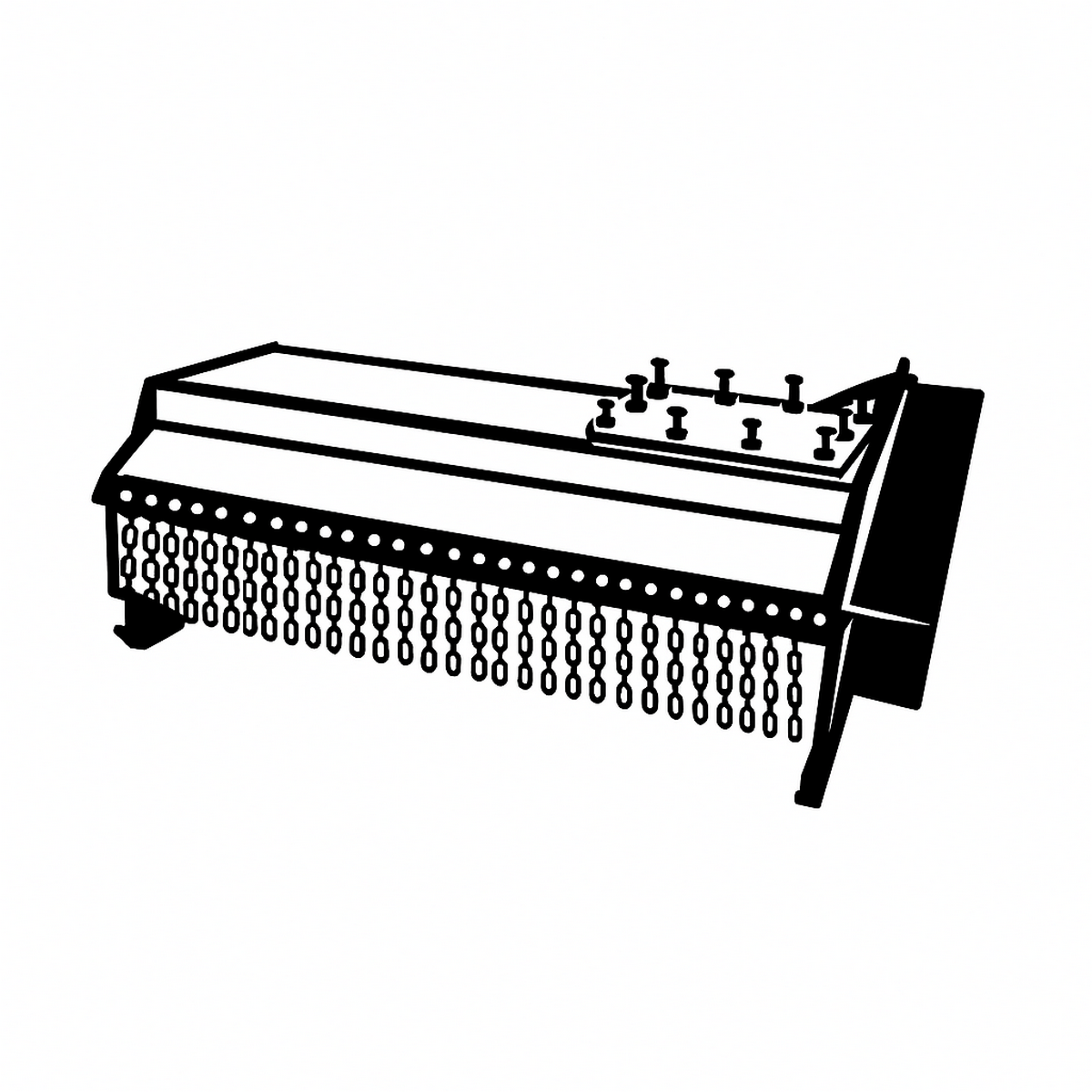 Flail mowers
If you want to choose a drill rig that can actually handle the job site and not just look good on spec, this post is for you. You'll find out how to match equipment to concrete, rebar and real-world working conditions, learn about the most common mistakes that ruin tools, and find out which drill rig will really pay off for your business. Read the guide and make a decision that will save you time, nerves and money.
Not every drill rig will do - how do you choose equipment for real site conditions (rather than from a catalogue)?
Choosing a concrete drill starts with an honest answer to the question of what conditions you are actually working in, rather than looking at a manufacturer's performance chart. In theory most rigs 'drill in concrete', in practice the difference between light installation work and day-to-day drilling in ceilings, foundations or load-bearing walls is huge. Even at this stage, it is worth paying attention to the power of the machine, as this largely determines the comfort and speed of the work - 600-900 W will work well for smaller diameters and occasional tasks, while for larger holes and harder material, 1200-1600 W becomes a realistic minimum, and even 2000 W or more for crown drilling. Equally important is the drill mounting system - SDS Plus is the universal standard, while SDS Max gives stability and security for large diameters where ordinary chucks simply cannot cope....
The second aspect that is often overlooked is the type of drill bit and drilling technology, as even the most powerful drill bit won't help if you choose the wrong working tool. Forked drills are an economical solution and sufficient for standard concrete, but their capabilities end quickly with reinforcement or high grade material. In these situations, diamond drills and crowns become a viable alternative , allowing you to drill precisely, without impact and with less risk of damage. In practice, this means less material waste, cleaner holes and a much longer equipment life, provided you are mindful of cooling and proper technique. If your company has larger developments or specialised work, it is also worth looking wider and considering hydraulic drill rigs, which are used on large construction sites and when working with heavy equipment.
Concrete is not the same as concrete - the grade, reinforcement and age of the material that can kill a poorly chosen drill bit
One of the most common reasons for problems when drilling is not the equipment, but the mistaken assumption that all concrete behaves the same. In reality, the class of concrete, its density and, above all, the presence of reinforcement, which can destroy an ill-fitting drill bit in seconds, make a huge difference. If you end up with reinforced concrete, ordinary widia drills are no longer effective and attempts to 'break through by force' end in overheating, jamming or chipping the blades. In such conditions, diamond technology ceases to be a luxury and simply becomes a working tool to keep work flowing and avoid downtime. Equally important is the age of the concrete - drilling into material that has not yet reached full strength (minimum 28 days after pouring) is a straightforward route to structural damage and technical problems that can only come out after time.
In practice, this means that it is worth taking a moment to assess the material before starting work, rather than assuming that 'somehow it will go'. Harder concrete requires more power, more stable guidance and often a different approach to the drilling process itself. With high grades of concrete, cooling also becomes crucial, especially for wet drilling, which reduces dust and tool overheating. Conscious selection of equipment in terms of material is not only a matter of convenience, but also a matter of real savings, as a well-chosen diamond drill bit can drill dozens of holes, while cheaper solutions reach the end of their life after a few attempts. If you want a stable job without surprises, concrete analysis should be the first step, not an addition made during drilling.
One attachment - many possibilities. Why are universal drill rigs a real advantage for your company?
In a construction or installation company, the versatility of equipment very quickly translates into flexibility and real savings, which is why it increasingly pays to invest in solutions that can be adapted to different machines and job types. Hydraulic drill rigs for mini-excavators are great for work in confined spaces, drill rigs for mini-loaders allow for fast action on line and installation work, while drill rig s for crawler excavators give stability and power where performance in difficult terrain matters. Completing the mix is the backhoe loader drill rig, which combines mobility with a wide range of applications. Such a fleet of machines gives you the ability to handle different types of jobs without having to constantly change equipment, reduces set-up times and allows you to respond to the client's needs without compromising on quality.
The most common mistakes when drilling in concrete - check that you are not halving the life of your equipment
Many problems with drills and drill bits could be avoided if it were not for a few recurring mistakes that occur even with experienced teams. One of the most common is putting too much pressure on the tool, stemming from the belief that 'the harder, the faster'. In practice, this leads to overheating of the blades, reduced efficiency and faster wear of the equipment. Equally destructive is a lack of cooling, especially when drilling with crowns or in hard concrete - running dry where wet drilling is required can shorten tool life by several times. A common mistake is also the failure to regularly clean the hole of spoil, which increases drag and puts strain on both the motor and the impact mechanism.
A separate problem is hitting the reinforcement without proper preparation, i.e. trying to continue drilling with a drill that is not designed for it. This is the point at which jamming or equipment damage is most likely to occur. It is also worth remembering that drilling into fresh concrete is a mistake not only technologically, but also economically - tools wear out faster and the end result can be unpredictable. If you want to realistically extend the life of your equipment, it is crucial to control the pace of work, the right choice of tools and regular maintenance. It is these details that determine whether a drill rig will last for years or become a source of constant costs and downtime.
Small team, large construction site or precision drilling? Find out which rig is really worth it for your business
If your business is all about efficiency, reliability and matching equipment to specific machines, it is worth opting for solutions designed for real workloads. The TEHB3000 mini-excavator drill rig is a good choice where precision in confined spaces, fast completion rates and stability in smaller but frequent drillings are key. It will work well on installations, fencing or foundation work, where compact equipment gives the greatest advantage. On the other hand, for heavier tasks on larger construction sites, the TEHB8000 hydraulic soil drill offers significantly more power and robustness, allowing it to work in difficult ground and larger diameters without the risk of overloading. For the most demanding implementations, where maximum power, stability and continuity of operation are important, the TEHB15000 crawler excavator hydraulic soil drill, designed for intensive operation in the toughest conditions, becomes the natural choice. By selecting equipment in this way, you gain full control over the scope of the job, eliminate downtime and invest in solutions that really work for your company's profitability.
If you want equipment that can realistically withstand working in harsh conditions and does not end its life after a few realisations, it is worth reaching for proven solutions. In Techna Poland's offer you will find top quality excavator attachments designed for intensive use, heavy loads and working in high grade concrete and reinforcement. It's equipment that provides stability, precision and repeatable results while reducing downtime and service costs. Check out the range and choose solutions that will provide real support for your business - whether on a large construction site or the most demanding tasks.
FAQ
- Do I need a special drill rig to drill in reinforced concrete?
Yes, reinforced concrete requires a more stable machine and the right attachments, preferably diamond. A normal drill rig with a forked bit loses its effectiveness very quickly and can become damaged. - Does a more powerful drill rig always mean faster work?
Not always, because stability, cooling and drilling technique also matter. Too much power without control can lead to overheating and faster tool wear. - When is wet drilling necessary and not just recommended?
Wet drilling is essential for diamond crowns and hard, high-grade concrete. The lack of cooling in these conditions significantly reduces the life of the attachment and reduces the quality of the hole. - Can one drill rig handle different construction machines?
Yes, provided it is a model designed to be universal and compatible with different carriers. This flexibility allows more jobs to be completed without investing in additional equipment. - How can you tell if a drill bit is ill-suited to concrete?
Symptoms are rapid heating, slow drilling speed and an irregular hole. Jamming or excessive vibration of the machine is also common. - Does the age of the concrete have a real impact on the drilling process?
Yes, fresh concrete does not yet have full strength and is easily damaged structurally. Drilling before about 28 days can lead to cracks and technical problems. - What are the most common mistakes that shorten the life of the drill rig?
The most common is too much pressure, lack of cooling and ignoring reinforcement. This is compounded by irregular maintenance and working with inappropriate attachments. - Does iNamiot offer the concrete drill rigs described in the article?
No. iNamiot does not offer drill rigs designed for drilling in concrete. There are soil drills on offer, while the accessories with SDS and SDS Max attachments relate to hammers, not drills or construction machinery. The article is advisory in nature and does not refer to the iNamiot product range.
 Previous
