
 Shears, demolition jaws for excavators
 Hydraulic drill rigs
 Hydraulic pile drivers for excavators
 Screening buckets for excavators
 Hydraulic grapples for excavators
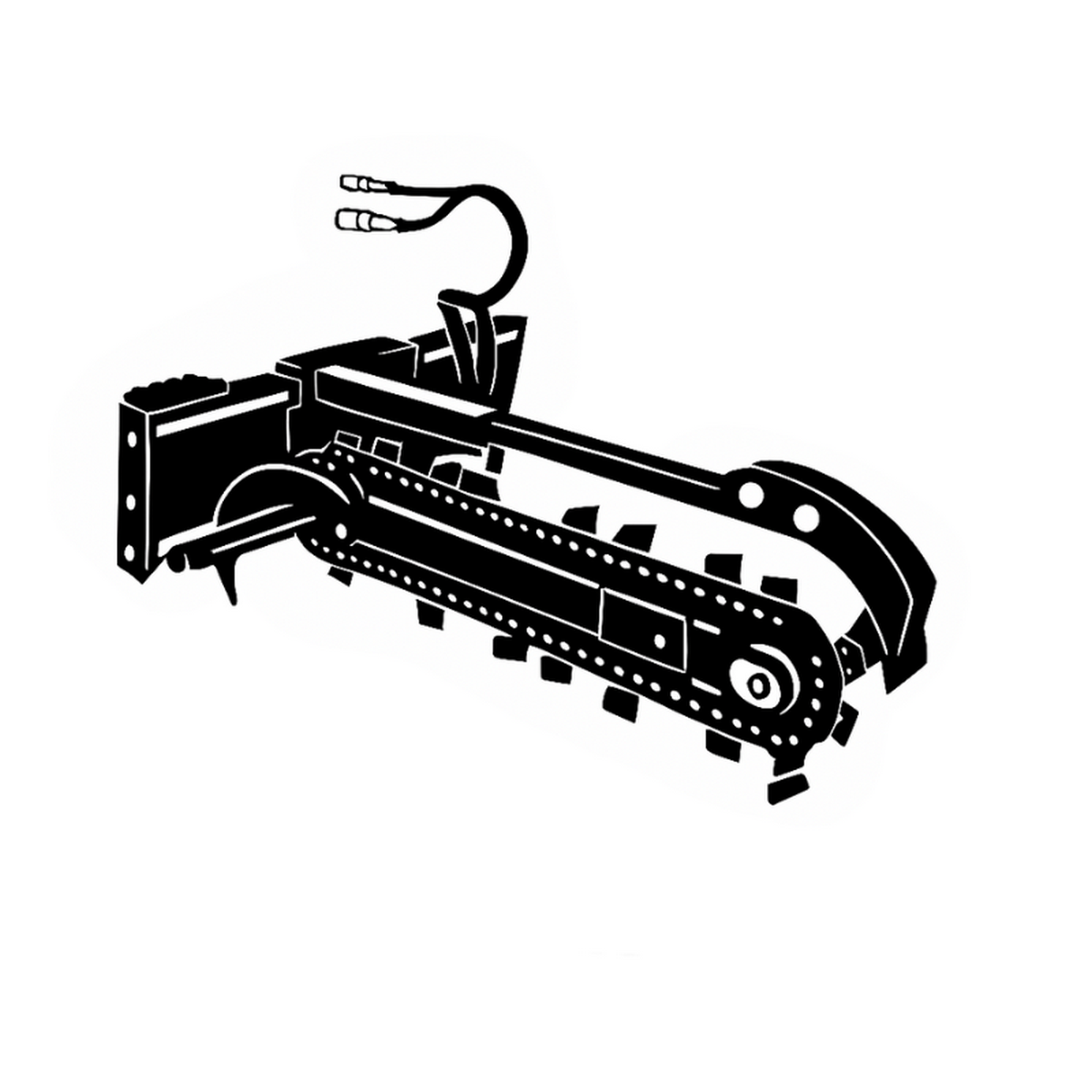 Chain trenchers
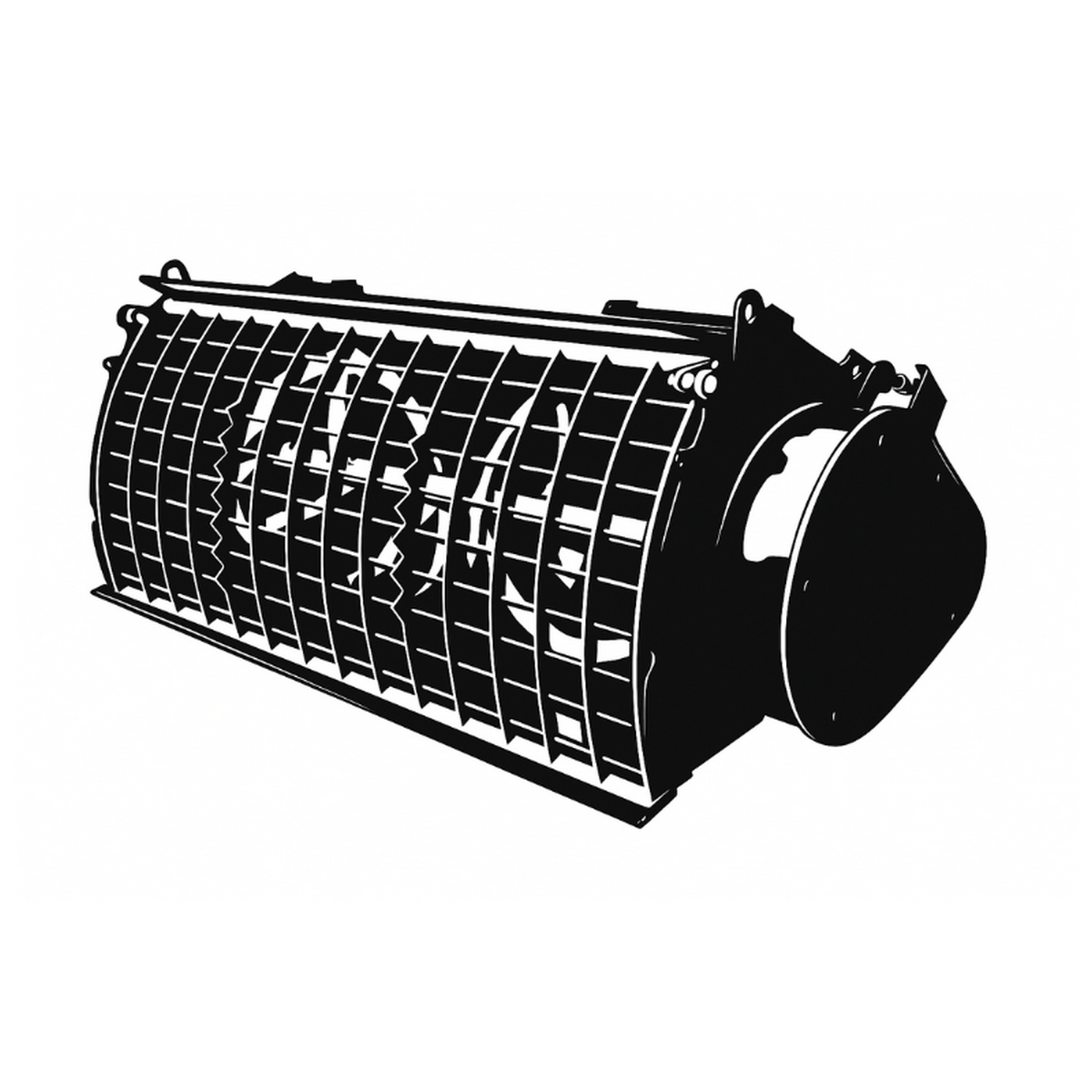 Mixing buckets for excavators
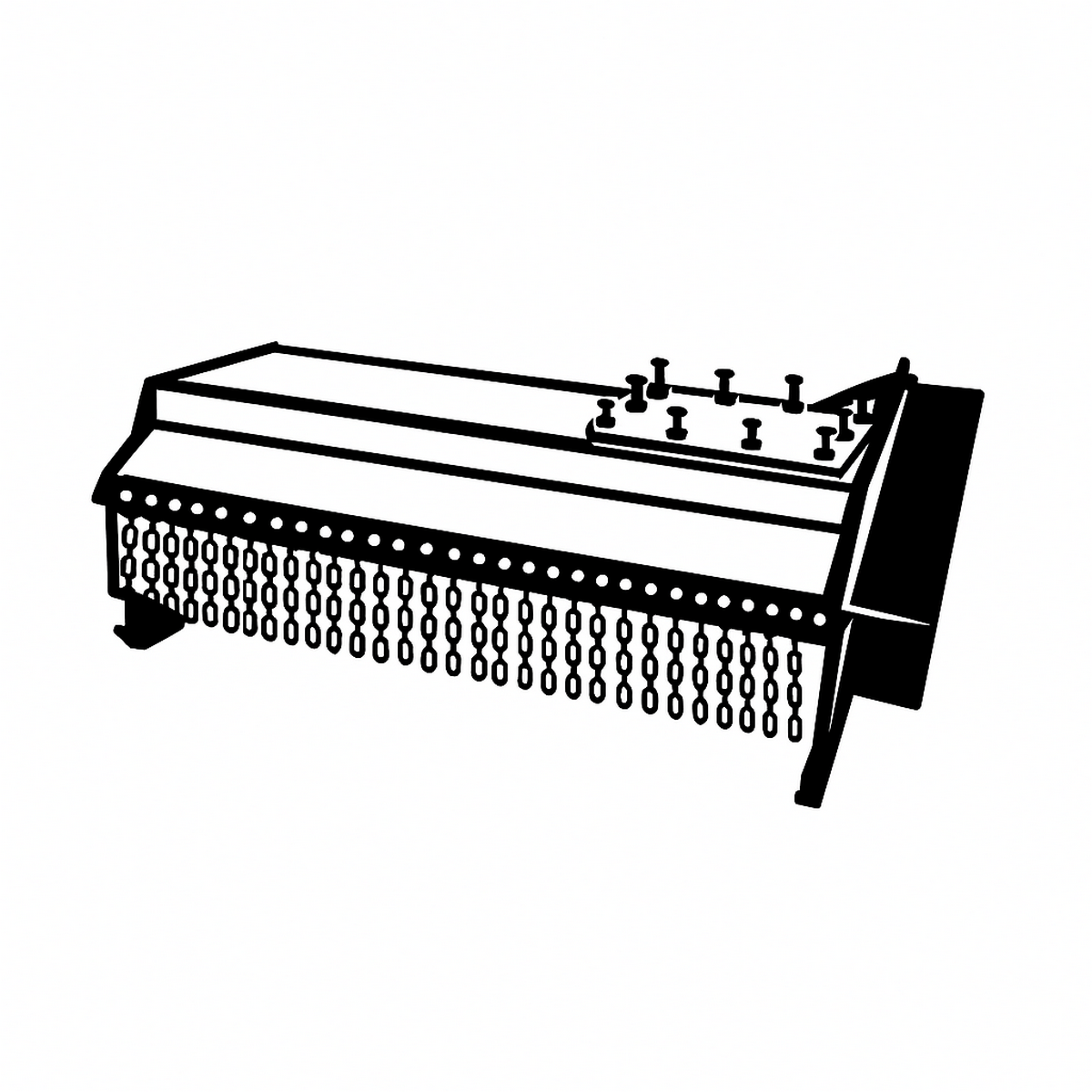 Flail mowers
Drilling in concrete can be more problematic than it sounds - especially when you don't know whether to use a hammer, which equipment to choose and how to select a drill bit for a particular substrate. Different types of concrete, brick or tile react very differently to the same drilling technique, and one wrong move can end up with a damaged drill bit or a damaged surface. In this guide, you will find concrete, practical tips to help you choose the right mode and tools - so that you can drill effectively, safely and without unnecessary stress.
How does the impactor work and why does it matter with concrete?
The percussion in a drill is a mechanism that combines a rotary motion with an axial pulsating motion, so that the drill bit not only rotates, but at the same time gently 'punches' deep into the material. In practice, this means that the hard concrete structures are gradually crushed and not just abraded, as is the case with non-impact drilling. For structural concrete, this is of great importance because its structure is dense, compact and resistant to the purely rotational action of the drill. Without the impactor, the problem of overheating of the drill bit, loss of efficiency and frustration because the hole 'won't go' arises very quickly. The percussion reduces drilling time, reduces tool wear and allows you to retain more control over the process, provided it is used deliberately and under the right conditions.
However, it is worth remembering that the impactor is not a one-size-fits-all solution, even though it is often treated as such. Its purpose is not to increase pressure but to aid the penetration of hard mineral materials such as concrete or reinforced concrete. If you use the impactor where the material is crumbly or porous, you may not only worsen the effect, but even destroy the substrate. It is therefore crucial to understand how the impact mechanism works and what you are actually dealing with in the wall before you press the trigger of the drill. This approach avoids common mistakes and simply makes the work smoother and more predictable.
Differences between a hammer drill and a hammer drill
Although at first glance the two devices may look similar, an impact drill and a hammer drill work in completely different ways. A hammer drill uses a mechanical percussion based on interlocking discs, which makes the impact relatively light and is mainly suitable for lighter work in concrete or brick. It's good for occasional drilling, installing shelves or brackets, where you're not working on large diameters and not regularly hitting reinforcement. In these situations, a hammer drill gives you enough power while remaining compact and lightweight.
A hammer drill is in a completely different league. It uses a pneumatic impactor to generate much higher single impact energy, which is crucial for hard structural concrete and reinforced concrete. Such a machine does not require a lot of pressure - it is the mechanism that does the work and you just guide the tool. The result is faster drilling, less fatigue and much greater efficiency, especially on construction sites or when working with thick walls. If you plan on drilling concrete frequently or larger diameter holes, a hammer drill is not a luxury, but a sensible choice.
Drilling in concrete - when is a hammer drill necessary?
For standard structural concrete and reinforced concrete, the impactor ceases to be an option and becomes a necessity. These types of materials are designed to carry heavy loads and their structure is extremely compact. Attempting to drill without a hammer will usually result in rapid dulling of the drill bit, overheating of the tool and very slow progress. The percussion allows the concrete structure to be gradually crushed, allowing the drill bit to effectively penetrate the material without excessive pressure. This is particularly important if you are not sure whether there is any reinforcement in the wall.
With reinforced concrete, there is another element involved - the steel bars. The percussion helps to get through the concrete, but once you hit the reinforcement you need to change strategy, often even changing the drill bit. Even so, without the impactor, just getting to the bar can be very problematic. For this reason, when working in floors, load-bearing walls and structural elements, the impactor is an essential tool for the job, and its absence significantly increases the time and comfort of drilling.
Repeatability and speed are also important on construction sites. The percussion tool maintains an even hole geometry, stable diameter and adequate depth, which has a direct impact on the load-bearing capacity of the fastenings. For larger projects, it is also worth considering specialised equipment such as hydraulic drill rigs. These are solutions designed for intensive work in hard materials, where precision and reliability are important.
When is it better to drill without a hammer drill?
Not every mineral material responds well to impact. Cellular concrete, hollow bricks or hollow bricks have a porous structure that crumbles very easily. In these cases, the impact can break down the internal chambers, enlarge the hole and weaken the site. Non-impact drilling preserves the integrity of the material and produces a hole with the exact diameter needed to set the dowel or anchor.
An additional benefit of non-impact drilling is that you have more control over the drilling process. You can adjust the speed and pressure precisely, responding to changes in the material's structure. This is particularly important with thin walls and trim, where every millimetre matters. In practice, this means a more durable fastening and less risk of the need for repairs.
Tiles, porcelain stoneware, glass and other fragile materials
In the case of ceramic tiles, porcelain stoneware or glass, impact is one of the most common causes of cracks and spalling. These materials are hard but also brittle, which means they cannot tolerate vibration. Drilling should be done without a hammer, at low speed and with a suitable drill bit, often water-cooled. This is the only way to maintain the aesthetics of the surface and avoid damage that is beyond repair.
Proper preparation of the drilling site is also crucial. Stable support, safety tape and patience make a huge difference. Haste in such materials always ends badly, so it is better to spend a few minutes more than to replace the entire tile.
Diamond drilling without impact - precision and no cracks
Diamond drilling is the solution for those who want maximum precision and perfectly smooth hole edges. It takes place completely without impact and the material is abraded, not crushed. As a result, no micro-cracks are created and the substrate structure remains intact. It is a technique often used with concrete, but also with stone, stoneware and high-value finishes.
Although it requires specialised equipment and more experience, diamond drilling produces results that cannot be achieved with classic methods. The absence of vibration means greater structural safety and aesthetics, which is of paramount importance in installation and finishing work.
Selecting a drill bit for substrate hardness - a practical guide
Selecting a drill bit starts with a realistic assessment of the hardness of the material you are dealing with. You can do this at home by observing the resistance of a test drill or by checking the building documentation. Concrete is not the same as concrete - the reaction of an old large slab ceiling will be different from that of modern reinforced concrete. The drill bit must be matched not only to the material, but also to the mode of operation, i.e. with or without impact.
A drill bit that is too soft in hard concrete will dull quickly, while one that is too aggressive in brittle brick will destroy the hole. Therefore, it is worth treating the selection of the drill bit as part of the whole process rather than a minor detail. A good drill bit means less effort, better control and longer equipment life.
|
Substrate |
Impactor? (yes/no) |
Drill type - recommendation |
|
Structural concrete |
With impact (standard) |
Concrete SDS-Plus / SDS-Max, 2-4 cutting edges, carbide head |
|
Reinforced concrete |
With impact, switch off impact when reinforcing |
SDS Drill Bit for reinforced concrete, 4-flute, diamond drill bit with large diameters |
|
Cellular concrete (aerated concrete) |
Usually without impact or very fine |
Universal for masonry, special for cellular concrete, often only rotary work |
|
Solid bricks |
With percussion for hard bricks; light work with little or no impact |
Drill bits for concrete or masonry (widia), standard cylindrical or SDS |
|
Hollow brick / hollow block |
Mostly non-hammered or with very low impact |
Percussion/masonry drills, but at lower speed, often "feel" drilling |
|
Silicate |
With impact (it is very hard and dense) |
Concrete drills (widia, SDS), high wear resistance |
|
Natural stone (granite etc.) |
With or without impact - depending on requirements |
Pitchfork/SDS for concrete or dedicated for stone; alternatively drills |
|
Ceramic tiles, porcelain stoneware, glass |
Always without impact |
Diamond drill bits, tile/glass (spear, satin diamond), low |
|
Plasterboard |
Without impact |
Regular HSS, for wood/metal, sometimes self-drilling screwdriver is sufficient |
|
Plaster, screed, mortar |
No impact (especially top layer) |
Depending on what is underneath - the drill bit is selected according to the main material |
How to choose the diameter and length of the drill bit for the dowel and anchor
The diameter of the drill bit should be exactly matched to the diameter of the dowel or anchor, without backlash or over-pressing. A hole that is too large will weaken the fixing, a hole that is too small will make installation more difficult and may damage the expansion member. The length of the drill bit must take into account not only the length of the dowel, but also the allowance for dust that accumulates at the bottom of the hole.
In practice, this means that it is better to choose a drill bit that is slightly longer than theoretically needed. A precise fit is a guarantee of a durable and safe installation, especially for load-bearing elements.
For more advanced construction work, the quality of the complementary equipment is also of paramount importance - professional excavator accessories ensure stable drilling even with large diameters and deep holes. Likewise, properly selected attachments for hydraulic drill rigs work in a similar way to ensure even operation, reduce vibrations and keep the drilling process fully under control. This not only makes installation faster, but above all safer and more predictable, which is crucial for supporting structures and technical installations.
FAQ
- Is it always necessary to use a hammer to drill into concrete?
No, but for structural concrete and reinforced concrete, a percussion is usually necessary to make the work effective and not damage the drill bit. With lighter, porous concrete materials, it is better to dispense with the impactor. - Is it possible to drill in concrete with a normal drill without impact?
You can, but only in soft types of concrete or with very small hole diameters. In hard concrete, such an attempt usually results in overheating of the drill bit and very slow work progress. - Which drill bit is best for reinforced concrete?
SDS drills with four blades that are resistant to contact with the reinforcement are the best. For large diameters and high precision, diamond drills are worth considering. - Is it necessary to switch off the impact when hitting reinforcement?
Yes, when contacting steel, the impactor should be switched off so as not to damage the drill bit. Further drilling should be done in rotary mode or with a suitable metal drill bit. - Why is it important not to drill with the impact hammer in tiles and stoneware?
The percussion causes vibrations that very easily lead to cracks and spalling. In such materials, drilling should always be done without a hammer, at low speed and with a suitable drill bit. - Does the diameter of the drill bit have to be the same as the dowel?
Yes, the diameter of the drill bit should correspond to the diameter of the dowel or anchor in order for the fixing to be stable. Even a small difference can significantly reduce the load-bearing capacity of the connection. - How do I know if a drill bit is wrong for the material?
Symptoms are rapid heating of the drill bit, lack of drilling progress and crumbling of the hole edges. This is a sign that either the drill bit or the mode of operation is not matched to the substrate.
 Previous
