
 Shears, demolition jaws for excavators
 Hydraulic drill rigs
 Hydraulic pile drivers for excavators
 Screening buckets for excavators
 Hydraulic grapples for excavators
 Chain trenchers
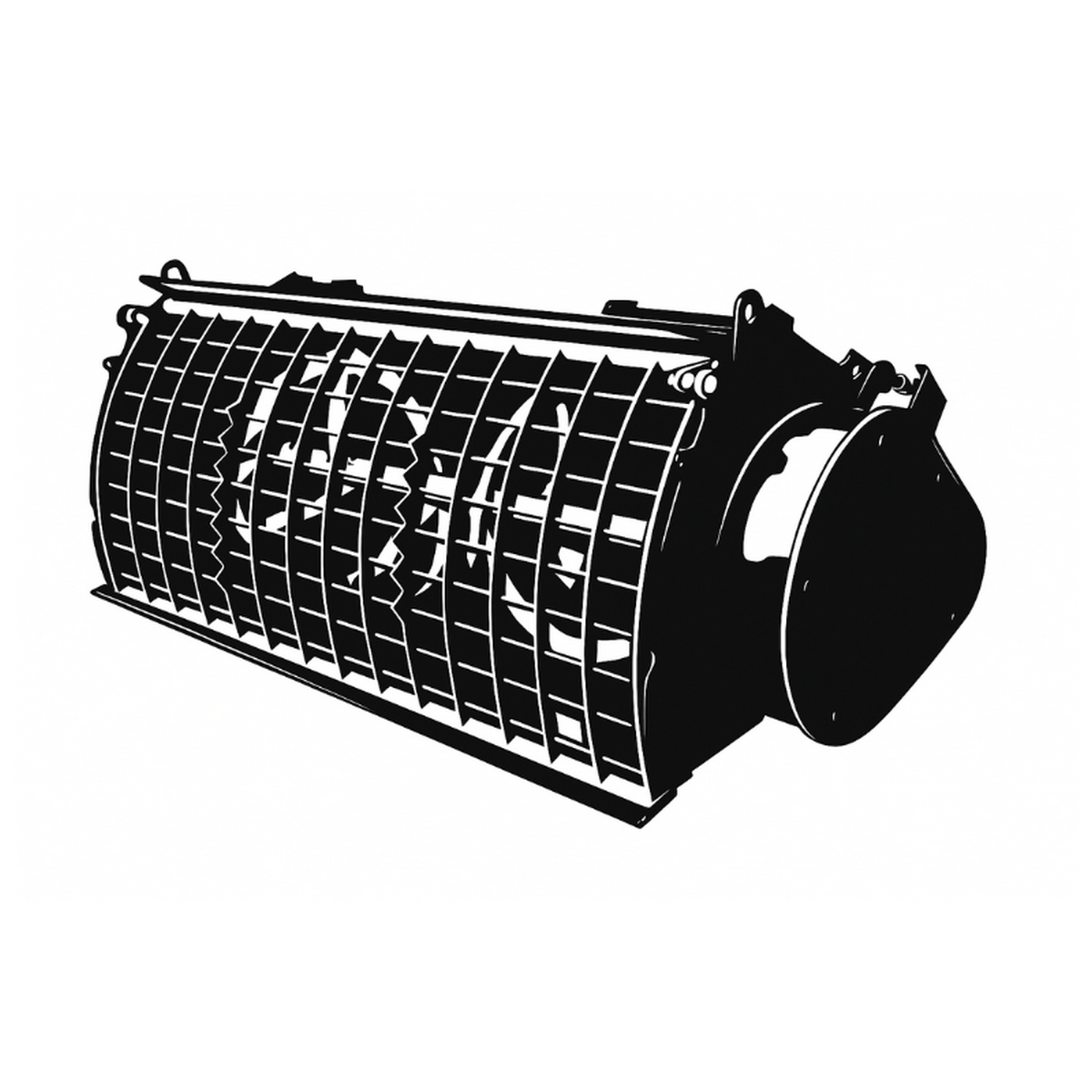 Mixing buckets for excavators
 Flail mowers
The failure of a hydraulic earth auger can paralyse work on site and generate costly downtime. In this article, you will find a practical guide to the most common problems with drilling rigs - from oil leaks and pressure drops to head, motor or control system failures. You will learn how to recognise the first signs of malfunction, what you can fix yourself and when it is better to reach out for service. Find out how to take care of your hydraulic earth auger so that it will run trouble-free for years and maintain its full performance even under difficult operating conditions.
How do you recognise when a hydraulic earth auger starts to malfunction?
The first sign that there may be something worrying going on with your hydraulic earth auger is slight changes in its behaviour. Uneven running, a drop in power or a noticeable slowdown in the auger speed often appear even before a more serious breakdown has occurred. In such cases, it is advisable to stop the machine and carry out a thorough visual inspection - to check that there are no hydraulic oil leaks under the housing, that the hoses are intact and that the couplings have not become loose due to vibration. Even minor dirt or greasy dust marks can be the first clue pointing to a leak. It is also a good habit to check the level and colour of the oil - if it has turned dark or become cloudy, this is a clear sign that there are contaminants in the system.
Don't forget to listen to the operation of the machine - unusual noises such as metallic clatter, hissing or loud buzzing of the pump is a sign that the hydraulic system may be under or overloaded. When the hydraulic motor starts to run erratically and the auger stops at higher resistance, the problem is most often in the oil pressure. Before calling for service, you can measure the operating pressure yourself with a pressure gauge to check that it is within the manufacturer's recommended range. This simple action avoids costly downtime and narrows down the source of the problem straight away.
Typical failures and faults of hydraulic earth augers - where to look for the problem?
Hydraulic earth augers are extremely powerful tools, but they operate in demanding conditions and are therefore subject to a lot of overloading and wear. Over time, various malfunctions and failures can occur that reduce performance or prevent drilling altogether. Most commonly, these affect the hydraulic system, motor, head, feed or attachments. It is useful to know the symptoms of these problems and how to react before a minor fault develops into a major breakdown requiring costly repairs - whether hydraulic earth augers for mini excavators, models for large machines or drill rigs for mini loaders.
Problems with the hydraulic system
One of the most common failures in hydraulic earth augers is oil leaks caused by broken seals, loose couplings or excessive operating pressure. They manifest themselves as oily marks under the machine, an oil smell and noisier pump operation. A second common problem is a loss of pressure in the system, causing the drill to lose power and respond with a delay - a clogged filter, a dirty valve or a worn pump may be to blame. Sometimes there is also overheating of the hydraulic oil, which shortens its life and damages the seals.
Hydraulic motor not working properly
The hydraulic motor is a key component of the drill rig, responsible for the torque of the auger. When it starts to work with delays, jumps or stops responding altogether, low oil pressure, oil contamination or the presence of air in the system is most often to blame. In such a situation, it is a good idea to bleed the system by running the machine without a load, and then check the condition of the filters and oil. If the engine is still unstable, it is likely that internal components have worn out or a valve has become blocked - in which case service assistance is required.
Changing the oil and filters regularly is the best way to avoid costly breakdowns, especially on hydraulic earth augers for mini-loaders that operate in harsh, dusty conditions.
Damage to the drill head
The drill head is the most stressed component, so any irregularity in its operation quickly reflects on the quality of drilling. If it doesn't rotate smoothly or you notice an oil leak, check the seals and mounting bolts - their looseness often causes leaks and erratic operation leading to bearing damage. Unstable head rotation is also sometimes the result of dirty control valves or a worn hydraulic motor - sometimes cleaning is enough, but with more wear and tear, parts need to be replaced. In hydraulic earth augers for backhoe loaders , even minor negligence can end up with a cracked housing and downtime.
Difficulties with the feed system
Uneven operation or stoppage of the feed cylinder usually indicates the presence of air in the hydraulic system. This manifests itself as vibration, jerky movement and a lack of smoothness when drilling. Simply bleed the system by starting the drill rig and moving the piston several times without load. If the problem persists, the cause may be a clogged oil filter blocking the flow. On the other hand, poor or fading feed is often the result of an internal leak in the ram or insufficient pressure - in which case replacing the seals will help, and service is required if the piston is damaged.
Problems with attachments and tools
Malfunctions of hydraulic earth augers are often due not to the machine itself, but to the attachments. If the auger fails to penetrate the ground or stops despite the correct pressure, it is usually due to a blunt or damaged attachment, which can be replaced immediately. Equipment leaks, on the other hand, are usually the result of leaking quick-release couplings or worn seals, which simply need to be tightened or replaced. A dirty control valve, blocked by dust and metal filings, is also a frequent source of problems . Regular cleaning with a solvent prevents the valve from jamming and running erratically.
Control system malfunctions
Failure to respond to joystick movement often looks threatening, but is usually due to minor faults. Check the power supply, indicators and joystick cables first - machine vibration can loosen connections over time. If everything seems fine, the cause could be a faulty control valve solenoid or a dirty solenoid - simply taking it apart and cleaning it will get the rig working properly again. Sometimes the machine only responds in one direction - this is a symptom of a blocked diverter valve, which should be cleaned and the lines checked. When the problem persists, the valve needs to be replaced. On modern hydraulic earth augers combined with electronics ,it is worth performing computer diagnostics, as signal errors often cause unpredictable system responses.
Effective repairs and ad hoc solutions - how to deal with minor problems?
Not every drill failure requires an immediate visit from a service technician. Many minor problems can be rectified on your own - changing the hydraulic oil filter, topping up the fluid level or tightening loose fittings are all tasks that take just a few tens of minutes. All you need is a basic set of spanners, a funnel and clean oil. In the case of minor leaks, it is often sufficient to replace a hose or gasket.
However, there are situations when it is better not to take any chances. If you suspect damage to the hydraulic pump, motor or housing breakage, professional service is required. These components require specialised tools and precise assembly. Remember that incorrect installation can lead to even more serious damage. Therefore, if the problem persists after several simple repairs - it is better to have the equipment diagnosed. An early response means lower costs and less downtime.
How do I look after my hydraulic earth auger to avoid breakdowns?
Regular maintenance is the easiest way to keep your hydraulic earth auger running smoothly for years. All you need to do is implement systematic maintenance - check for leaks and oil levels every week, check the pressure and condition of the hoses every month, and change the filters every few months. It's a small effort that significantly extends the life of the pump, engine and valves.
Also take care of the cleanliness of the hydraulic oil - use only the type recommended by the manufacturer and avoid topping up with fluids from an unreliable source. Hydraulic earth augers operating in difficult conditions (e.g. construction sites or rocky ground) require more frequent filtration. Don't forget to take breaks - allow the machine to cool down, especially in hot weather. It's also a good idea to keep a simple service log to record replacements, maintenance and pressure measurements. That way, you'll notice sooner if something starts to deviate from the norm. This preventative maintenance will give you peace of mind and reduce the risk of attachments for excavators failing when you least expect it.
FAQ
What are the most common symptoms of a faulty hydraulic earth auger?
Typical symptoms include a loss of power, slower auger operation, oil leaks, noisier pump operation and unstable rotation of the hydraulic motor. It is worth reacting straight away before a minor fault develops into a major breakdown.
What does a sudden drop in pressure in the hydraulic system mean?
This is most often the result of a clogged filter, a worn pump or leaks in the hoses. Check the oil level, the condition of the hoses and the hydraulic filter.
How do you recognise an overheating hydraulic system?
The symptoms are hot oil, reduced power and noise during operation. Cleaning the radiator and checking the fan helps, and if necessary, changing the oil.
What should I do if the drill bit stops rotating?
The cause could be a blocked valve, a blockage in the system or a faulty hydraulic motor. The first thing to do is to bleed the system and check the operating pressure.
How often should I change the oil in a hydraulic earth auger?
It is recommended to change it every 500-800 operating hours, or more often if the drill rig is operating in a dusty environment. Contaminated oil is a major cause of pump and valve wear.
Why does the drill rig lose power despite correct oil levels?
This could indicate internal leaks in the cylinder, wear in the hydraulic pump or a leak in the system. It is also worth checking the filter and control valves.
How do I look after the drill head to avoid failure?
Check the mounting bolts, seals and bearings regularly. If there are any leaks or rough running, stop the machine immediately and check the tightness of the connections.
Are minor oil leaks dangerous for the drill rig and operator?
Yes, even a small leak can lead to a drop in pressure and damage to the pump. Any leak needs to be repaired straight away - often replacing a seal or hose is sufficient.
When should I call a hydraulic service for a hydraulic earth auger?
When you notice a drop in pressure, metallic noises, an unresponsive joystick or a cracked housing, do not repair it yourself. These types of breakdowns require specialised tools and knowledge.
How to extend the life of a hydraulic earth auger?
The key is prevention - regular servicing, cleaning filters, checking oil and pressure, and avoiding overloading the machine. A well-maintained service log allows you to catch anomalies quickly and prevent failure.
Read also:
- How to choose the right hydraulic earth auger for mini excavator?
- Drilling rigs for crawler excavators - what should you know before buying?
- Hydraulic earth auger for backhoe loader - what to look out for to get the right equipment?
- Proper operation of hydraulic earth augers
- Types of excavator drilling rigs - which ones to choose for specific tasks and materials?
- When to buy a new or used hydraulic earth auger - how to make the right decision?
- Hydraulic earth auger - when is it worth buying and when is it better to rent?
- Hydraulic earth augers for excavators - what to choose: hydraulic, mechanical or pneumatic drive?
- Modern hydraulic earth augers - we present their applications in construction, agriculture and forestry
 Previous
