
 Shears, demolition jaws for excavators
 Hydraulic drill rigs
 Hydraulic pile drivers for excavators
 Screening buckets for excavators
 Hydraulic grapples for excavators
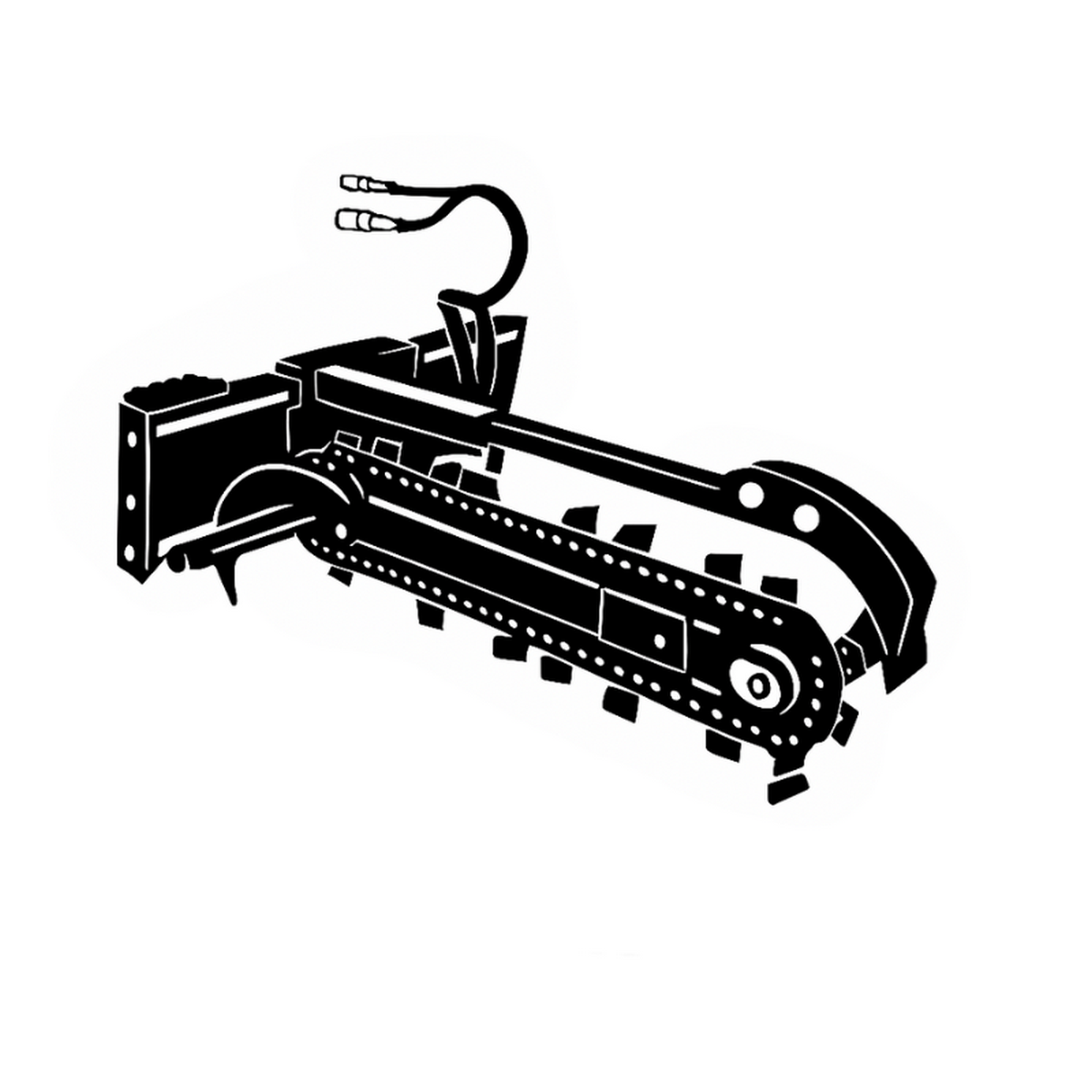 Chain trenchers
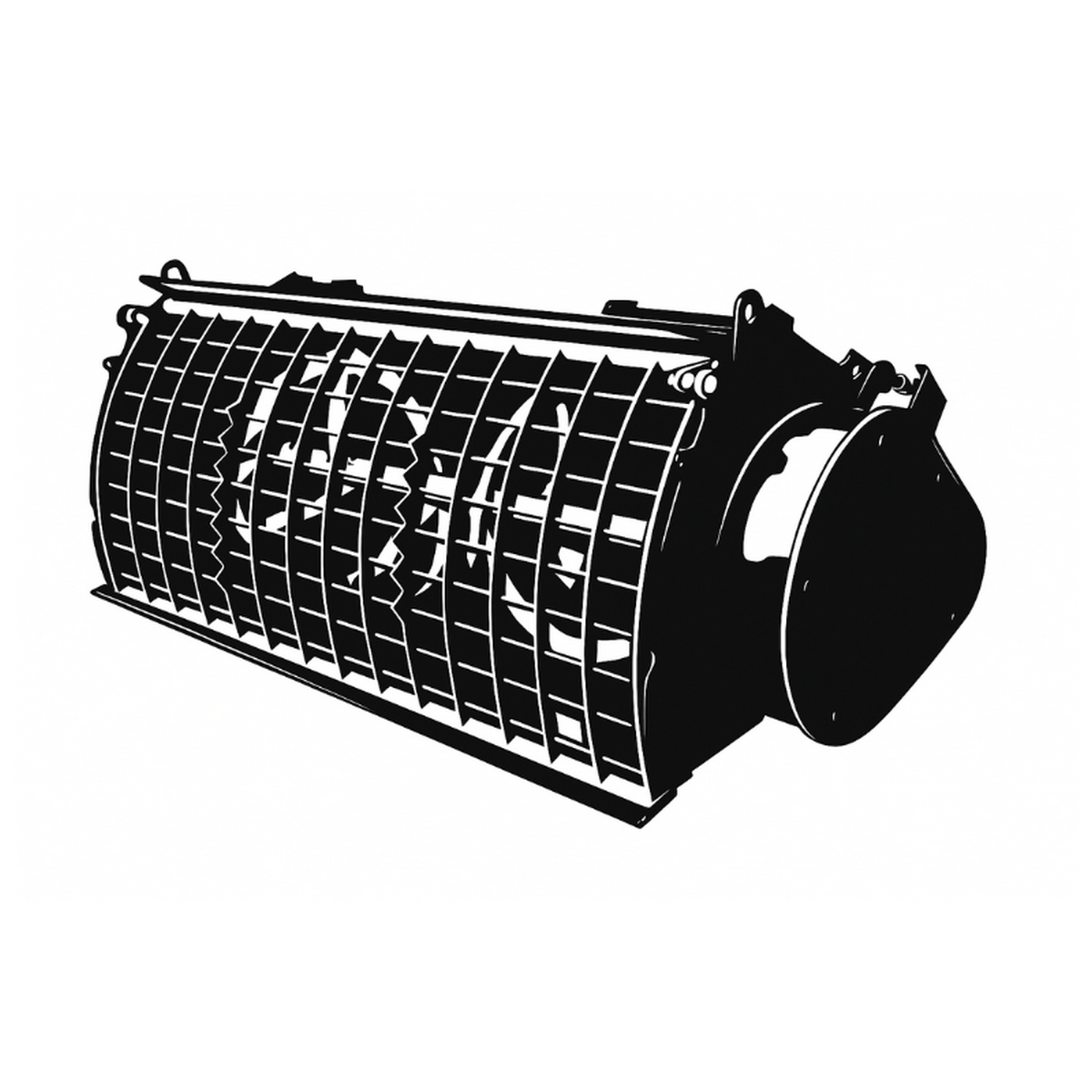 Mixing buckets for excavators
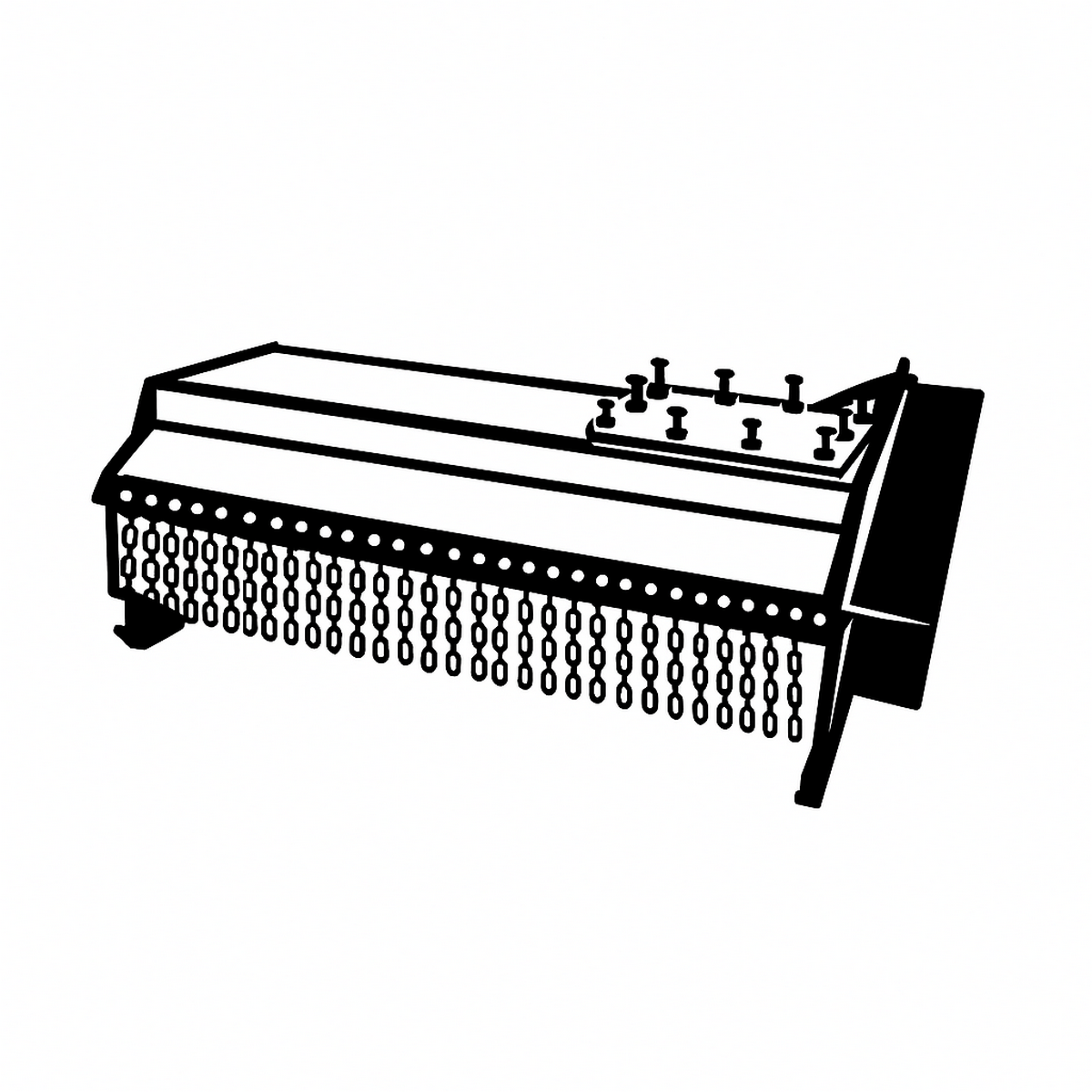 Flail mowers
Modern demolition and recycling of building materials increasingly rely on modern hydraulic solutions that combine strength, precision and safety. Among these, demolition and sorting grabs - devices that can demolish, move and sort materials at the same time - occupy a special place. They make site work go faster, require less manpower and recover a significant amount of raw materials. If you want to understand how these tools work, where they are used and why they are displacing traditional demolition methods, this article will show you their practical capabilities and real benefits in your daily work.
What are demolition and grapple grapples for excavators?
Demolition grapples and grapple grapples for excavatorsare hydraulic attachments for excavators that are used to grapple, move and sort materials such as concrete, brick, metal or wood. They consist of two HARDOX steel jaws and a hydraulic system that precisely controls the clamping force and speed. Thanks to the 360° swivel, the operator can manoeuvre without changing the machine position, significantly increasing productivity. Built-in safety valves prevent the jaws from opening accidentally, providing full control and protection during operation.
Demolition grabs focus on force - their jaws can break up concrete and rebar, while sorting grabs enable precise segregation of rubble, timber or metals. Modern constructions often combine these functions in a single unit. What's more, these attachments work well with hydraulic earth augers, both the attachment for mini excavators and mini excavators, as well as the attachment for backhoe loaders. This combination makes it possible to comprehensively prepare the site and carry out demolition work with a high degree of accuracy and less time.
Main applications of demolition grabs - where do they come in handy?
Demolition grabs are indispensable on construction and demolition sites today, as they allow work to be carried out quickly and safely with minimal human intervention. Thanks to their design and clamping force, they can demolish concrete, brick, steel and timber structures, while precisely separating individual components without the need for additional equipment. Combined with excavators of different operating weights, they form a powerful working set-up that allows both complete demolition and selective dismantling of sections of buildings, bridges or foundations.
Demolition work - examples
In practice, demolition grabs prove themselves in a wide variety of tasks - from the demolition of brick walls and partition walls to the demolition of reinforced concrete structures and wooden roof frames. Thanks to their high force and 360° rotation, the operator can easily separate individual fragments, minimising the risk of damage to the parts to be preserved. The grapples are also used for dismantling bridges, viaducts, pipelines or underground infrastructure, where precision and safety are important. In many construction companies, this equipment has completely replaced the classic hydraulic breakers hammers for excavators in jobs where control and accuracy count in addition to strength.
What materials can be demolished with a grapple?
Demolition grabs can cope with concrete, brick, metal, wood and mixed construction debris, which is why they are so versatile. Depending on the type of material , a suitable jaw shapeis used - narrow and sharp for concrete and steel, or wider, curved jaws for demolition of wooden structures. They easily separate large blocks from finer waste, and the perforated jaws allow dust and sand to fall off, speeding up site cleaning. This makes the grabs not only a demolition tool, but also a pre-sorting tool for materials that can later be reused or sent for recycling.
Main applications of sorting grabs
Grapple grapples for excavatorsare extremely versatile attachments for excavators, mainly used for handling, segregating and loading a variety of materials. Thanks to their precision and large range of movement, they allow the operator to easily sort rubble, scrap metal, stone, wood or construction waste, without having to change tools. Compared to classic buckets or mechanical grabs, they are faster, quieter and more accurate, resulting in significant savings in time and labour costs.
Their use goes far beyond the construction sector - sorting grabs find a place in recycling plants, waste management, industry and logistics, as well as in forestry. They can be mounted on a variety of machines, from excavators to mini loaders, and when combined with auxiliary equipment such as hydraulic earth augers or drill rigs for mini excavators , they form an efficient working system that is suitable for sorting raw materials, as well as for cleaning or handling work.
Main applications of sorting grippers
Sorting grippers are used wherever precision, control and speed are important. They allow not only the handling of materials, but also their efficient separation - whether in the construction industry, recycling centres or raw materials processing plants. Their design, with perforated jaws, allows fine fractions such as sand or gravel to be quickly filtered out, while heavier components remain fully stable.
Handling and sorting materials
On construction sites, sorting grippers are used to move prefabricated elements, kerbs, slabs and stones, as well as to separate reusable materials from waste. In quarries, they allow rock blocks to be sorted by size and type, and in construction warehouses, they facilitate rapid handling. Thanks to 360° rotation, the operator can position the pieces accurately, speeding up work and reducing the risk of damage.
Recycling, segregation and disposal
In recycling plants, grippers are used to separate metals, wood, glass and plastic, and to prepare construction waste for recycling. At scrap metal processing centres, they facilitate fast loading and unloading, and at landfills, they sort rubble and mixed waste. Such solutions recover up to 80% of demolition materials and reduce the amount of waste going to landfill.
Industry and logistics
In industry, sorting grippers are ideal for loading and unloading raw materials, crates, pallets and containers. In ports and terminals, they enable the rapid handling of goods from cars, trains and ships, which increases throughput and reduces downtime. In logistics, on the other hand, they make it easier to keep storage yards tidy and to move irregularly shaped loads safely.
Forestry and wood processing
In forestry, sorting grippers are mounted on hydraulic cranes and loaders to transport logs, trunks and logging waste. In sawmills, they make it possible to sort timber by species and diameter, as well as to load the raw material onto production lines. Thanks to precise hydraulics, even delicate parts can be handled safely, reducing material losses and speeding up the entire timber processing process.
What materials can the sorting grippers work with?
Sorting grippers can work with a wide range of materials, from construction debris, concrete and bricks to metal, glass, plastic, wood and municipal waste. With different types of jaws - solid, perforated or curved - they can handle both loose and irregularly shaped materials. Depending on requirements ,they can also be fitted with magnetic or pneumatic systems for even more precise separation of metals or light plastics. This versatility makes the sorting grippers ideal for use in construction, recycling, industry and forestry.
Advantages of grapples over other demolition equipment - why opt for them?
Compared to hydraulic demolition breakers, demolition grabs offer greater precision, lower energy consumption and much quieter operation. They do not demolish material by impact force, but by controlled pressure from the jaws, which reduces vibration and the risk of damaging structures that are to remain intact. In addition, the grippers can strip and sort material simultaneously, eliminating the need for several machines.
Compared to traditional manual methods, they gain even more - cutting working time by up to half, reducing the number of people needed on site and increasing safety. The hydraulic versions, thanks to their rotation and interchangeable jaws, are also more versatile and can be used for tasks ranging from demolition to recycling. This makes the investment in a demolition grapple pay for itselfvery quickly, while the machine itself gains enormous flexibility in its day-to-day use.
FAQ
What is the difference between a demolition grapple and a grading grapple?
The demolition grapple is mainly designed for demolition and dismantling of structures, while the sorting grapple is designed for precise handling and segregation of materials. They differ in the design of the jaws: the demolition one has sharper and narrower jaws, while the sorting one has wider and often perforated jaws.
Is the sorting gripper suitable for working with heavy materials?
Yes, modern sorting grabs can easily handle rubble, stone, metal scrap or concrete. All you have to do is choose the right model for the weight of the excavator and the type of material.
On which machines can hydraulic grapples be mounted?
Grapples can be mounted on excavators, mini-loaders, backhoe loaders, as well as on specialised industrial or forestry cranes. It is important to match oil flow and hydraulic pressure.
Can grapples be used in recycling?
Definitely yes. Sorting grabs are one of the most commonly used tools in recycling plants, where they help to separate metal, wood, plastic or glass and prepare the material for reprocessing.
What are the biggest advantages of hydraulic grapples over hydraulic demolition breakers?
The grapples are quieter, more precise and energy-efficient, do not generate vibrations and allow demolition and material sorting at the same time - significantly reducing working time and increasing safety.
Can the gripper be quickly dismantled or replaced with another tool?
Yes, most modern machines are equipped with quick coupler systems that allow the grab to be exchanged for a bucket or hydraulic hammer, for example, within minutes.
Do grapples work with hydraulic drill rigs?
Yes, hydraulic grapple augers, hydraulic grapple augers for mini excavators or backhoe loaders often complement the grapple kit. They enable site preparation for demolition or foundation work.
What materials can be demolished using a grapple?
Grapples can handle concrete, steel, brick, wood and mixed construction debris. Simply select the shape of the jaws and the amount of pressure to suit the type of material.
Are the grapples suitable for forestry applications?
Yes, in the forestry versions they are used for transporting logs, logs and logging waste, as well as for sorting timber in sawmills. The hydraulic system ensures a gentle grip without risk of damage.
Does the investment in a hydraulic gripper pay off?
Definitely yes. Grippers increase productivity by up to 50%, reduce working time and labour costs and, thanks to their durable HARDOX steel construction, are an investment for many years of intensive use.
Read also:
 Previous
