
 Shears, demolition jaws for excavators
 Hydraulic drill rigs
 Hydraulic pile drivers for excavators
 Screening buckets for excavators
 Hydraulic grapples for excavators
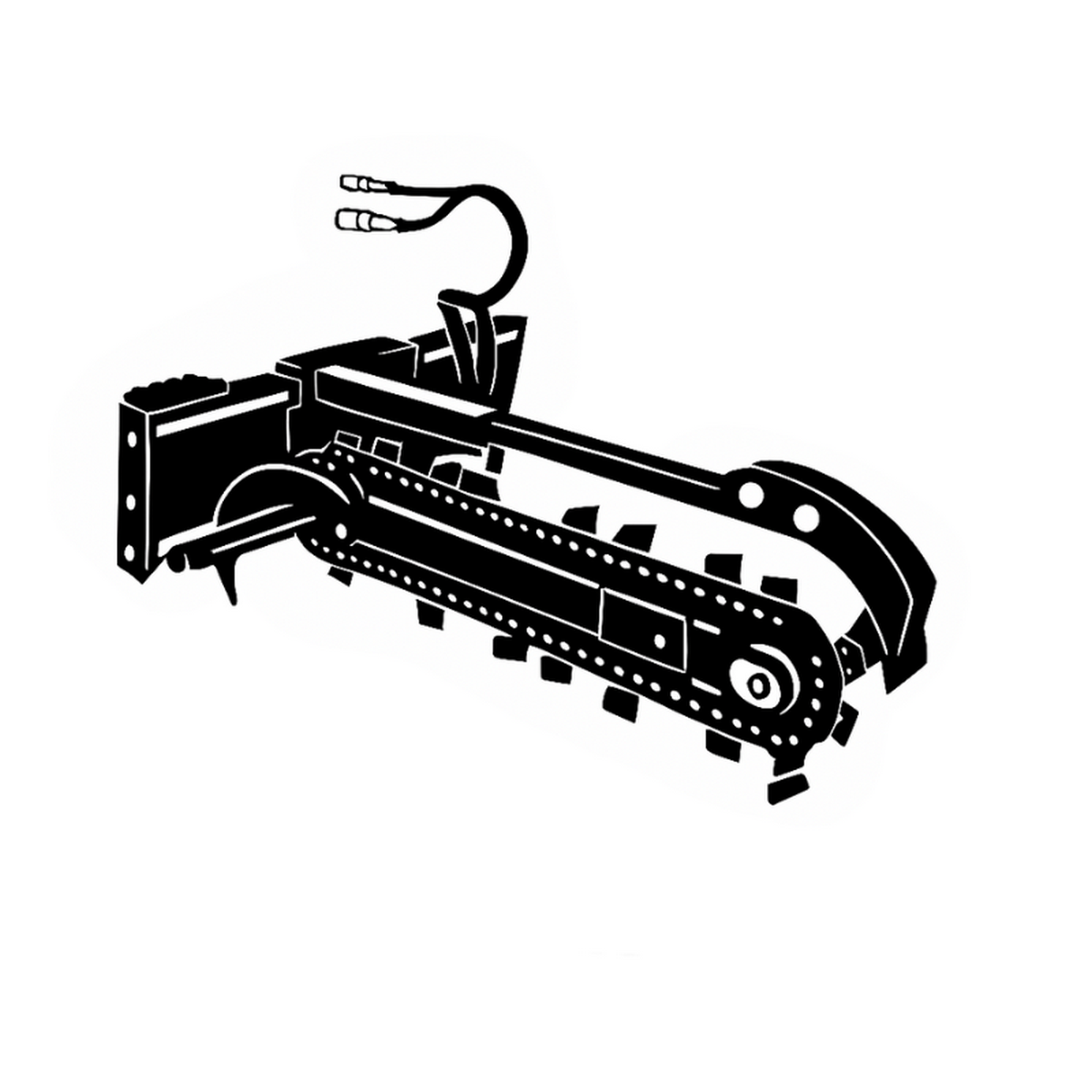 Chain trenchers
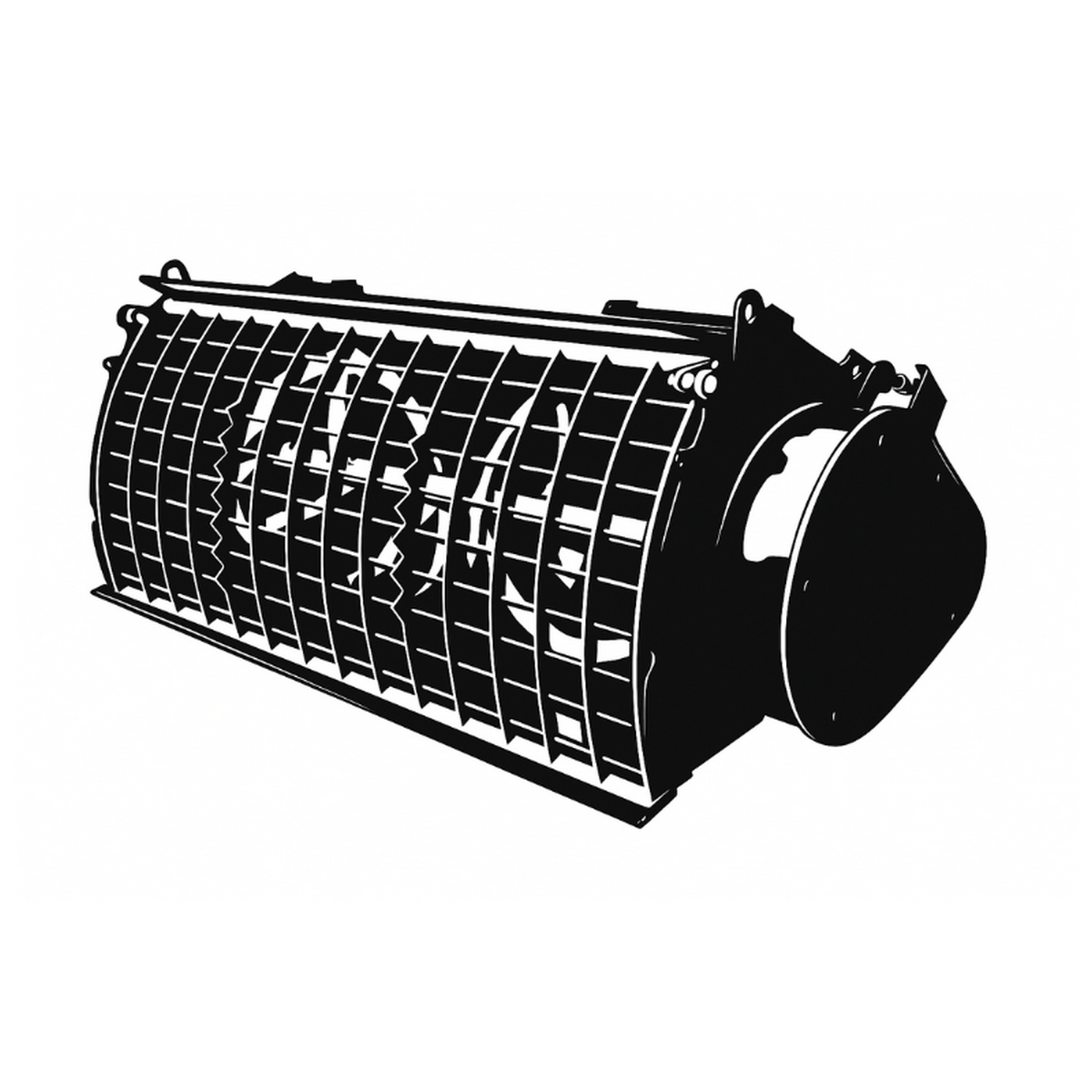 Mixing buckets for excavators
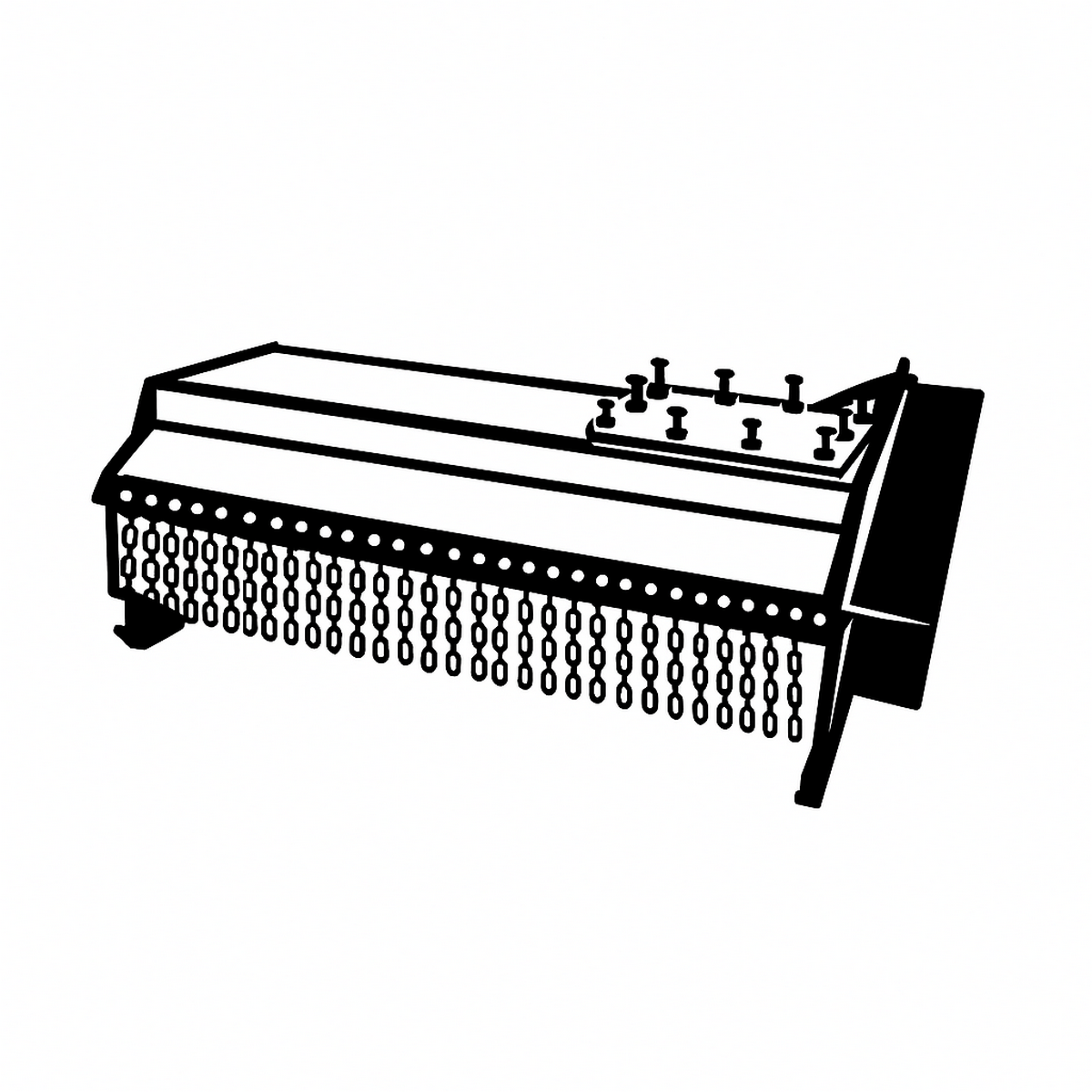 Flail mowers
The operation of screening buckets is a topic that is often overlooked - yet the performance and life of all attachments for excavators depends on it. In this guide, you will find practical tips on how to properly use, maintain and service screening buckets to avoid costly breakdowns and keep your equipment in perfect condition for years to come. You'll also learn what mistakes are made most often, how to avoid them and why regular inspection and cleaning can really increase the profitability of your operation.
How to operate a screening bucket correctly? Practical tips for operators!
Proper screening bucket operation starts with understanding how this type of attachment for excavators works and under what conditions it can work most effectively. This is not only a technical issue, but also an organisational one - it involves how to load, how to select the material, how to control the hydraulic pressure and how to adjust the speed accordingly. In practice, this means not overloading the machine. Optimum performance is achieved when loading is at 60-80% of the hopper capacity, which allows the material to move freely and sift thoroughly. This reduces the risk of blockage of the mechanism and extends the life of the entire attachment.
It is equally important to maintain the correct hydraulic pressure - too low will slow down operation, too high can lead to overheating or damage to components. It is therefore a good idea to check the pressure gauge regularly and adjust the parameters according to the manufacturer's guidelines. Modern screening buckets for excavators offer variable speed adjustment, making it easy to match the operation to the type of material - wet, sticky or loose. Well-adjusted speed and pressure are the basis for smooth, trouble-free operation.
The most important rules for screening bucket operation - you can't forget them!
In the daily operation of a screening bucket, the most important thing is to be regular and aware of the limitations of the machine. Each model has a specific weight range it can work with. For example - a bucket designed for 4-9 tonne machines should not be used with an excavator that exceeds this weight limit. Such overloading can lead to over-pressurisation of the hydraulic system and, as a result, serious breakdowns. The rule is simple: match the attachment for excavators, not the other way around.
Material conditions are also important. Material with high moisture content or a very sticky structure requires slower speeds and more frequent cleaning of the screen. And working in hot weather requires taking breaks to prevent the hydraulic oil from overheating. These are small things that make a big difference. In practice, you will achieve the best results when you combine a sensible work rate, breaks and control of parameters, rather than pushing the equipment to its limits.
What are the operational limitations of screening buckets for excavators?
The limitations mainly relate to the weight of the machine, the size of the fragments being loaded and the flow of hydraulic oil. Exceeding these values can result in overloading and loss of system efficiency. It is also worth bearing in mind that extreme temperatures - both high and low - have a negative impact on the flexibility of polyurethane working elements and can cause them to crack.
What are the most common errors when operating screening buckets?
The most common mistakes occur where there is a lack of routine and attention. One of these is loading material fragments that are too large - stones, lumps of concrete or rubble that exceed the permitted size. The result? A jammed mechanism and downtime. In equally serious cases, the screen may break or the frame may be damaged, entailing costly repairs. Changing the direction of rotation without stopping work is also a common problem - a mistake that can lead to damage to the planetary gearbox and leaks in the hydraulic lines.
Sometimes operators treat the screening bucket like a regular digging bucket - one of the worst habits. The screening bucket is not designed for impact or heavy lifting. Such use usually ends up bending the frame or permanently damaging the attachments. It is also worth remembering to clean it daily, especially after working with damp or sticky material. Neglecting this duty leads to a decrease in performance and overloading of the hydraulic motor.
What are the rules for proper maintenance and service of screening buckets?
Screening bucket maintenance is not just about lubrication and cleaning - it is above all about systematic condition checks. It is always worth taking a few minutes for a visual inspection before you start work. Check for cracks, loose bolts or hose leaks. Pay attention to the condition of the screen - even minor deformations can significantly reduce the screening quality. It's also a good idea to check the tightness of the hydraulic couplings and check that the engine revs are smooth.
After each change of material, clean the bucket of debris and ensure that all components are dry. Do a thorough cleaning of the rollers and stars once a week, and change the filters and check the condition of the bearings every few months. And don't forget to change the hydraulic oil regularly - ideally every 500-1000 operating hours. Lubricating the rollers and bearings every 200-400 hours will avoid excessive friction and overheating of the mechanism. These are steps that do not take much time, but significantly affect the life of the entire attachment for excavators.
Why is proper operation and maintenance of buckets so important?
Regular maintenance and proper operation is not only a technical obligation, but above all a real money and time saver. Extending the life of the bucket from a few years to as much as ten years is an effect you will feel directly in your wallet. Annual maintenance costs are only a few percent of the machine's value, and you can avoid replacing an entire attachment worth tens of thousands of zloty. What's more, proper hydraulic performance reduces fuel consumption and the risk of downtime.
From a business perspective, a well-maintained screening bucket means greater reliability, higher productivity and the ability to take on more jobs. Clean, lubricated components rotate faster and material separation is more accurate. Safety is also worth bearing in mind - no oil leaks and stable system pressure means less risk of accidents on site. Ultimately, then, maintenance is not just a chore - it's a way to maximise the potential of your machine.
In summary, attachments for excavators, and screening buckets forexcavators in particular, are an investment that can pay dividends for years to come - provided they are used properly and maintained regularly. Simply spending a few minutes each day cleaning, checking hydraulic pressure and replacing worn components is enough to avoid breakdowns and downtime. Remember that the screening bucket is not just an accessory, but a key component that affects the speed, quality and safety of your work. Well-maintained attachments for excavators are a guarantee of reliability, productivity and real savings, and attention to detail is not an obligation but an investment that simply pays off.
FAQ
How often should the screening bucket be cleaned?
Ideally, it should be done after every material change or completed operation to avoid clumping of fractions and overloading of the drive. Regular cleaning extends the life of the screen and maintains screening efficiency.
What can be a symptom of too high hydraulic pressure?
If you notice slowed rotation, overheating of the oil or noise in the system, this is a sign that the pressure is too high. If this happens, stop work immediately and check the parameters according to the manufacturer's recommendations.
How do you recognise wear in the screening bucket?
This manifests itself in reduced sieving precision, damage to the mesh or visible abrasions. If you notice deformations or cracks - replacement is necessary.
Can a screening bucket be used as a classic digging bucket?
No, because it is not designed for impact or lifting heavy materials. Such use could lead to bending of the frame and serious damage to the hydraulics.
How often should I change the hydraulic oil in the screening bucket?
It is recommended to change it every 500-1000 operating hours, depending on the intensity of use. However, a regular check of the oil level should take place daily.
What breaks should I take when using the screening bucket?
It is advisable to take a 10-15 minute break every 2-3 hours to avoid overheating of the oil and excessive wear on the components. In high temperatures, breaks should be more frequent.
What should I do if material clogs the screen in the screening bucket?
Firstly, stop work and remove the clogged material manually or with a wood, never with a metal tool. It is also worth checking that the speed is not set too low.
Which materials can be sieved with a screening bucket?
This equipment works well with earth, rubble, compost, sand or gravel, but is not suitable for hard construction waste. The material should be within the allowable fraction size.
How do I look after the screening bucket hydraulic system?
The most important thing is to keep the lines clean, change the filters regularly and check the tightness of the connections. Any oil leak is a signal that immediate service is needed.
When is it a good idea to have a screening bucket serviced?
At least once a year or when you notice worrying symptoms such as noise, vibration or a drop in performance. A professional service will avoid more serious breakdowns and prolong the life of the equipment.
Read also:
 Previous
