
 Shears, demolition jaws for excavators
 Hydraulic drill rigs
 Hydraulic pile drivers for excavators
 Screening buckets for excavators
 Hydraulic grapples for excavators
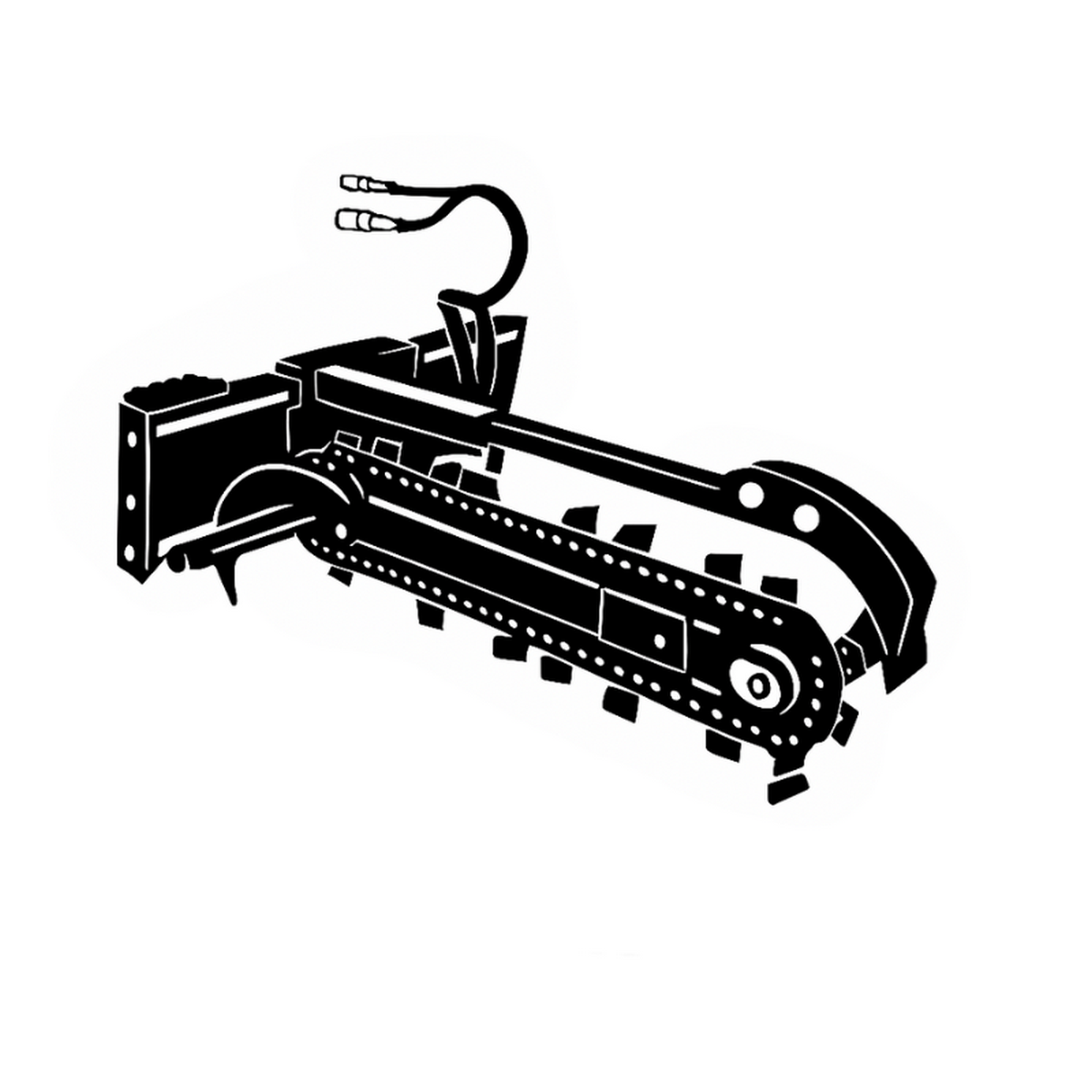 Chain trenchers
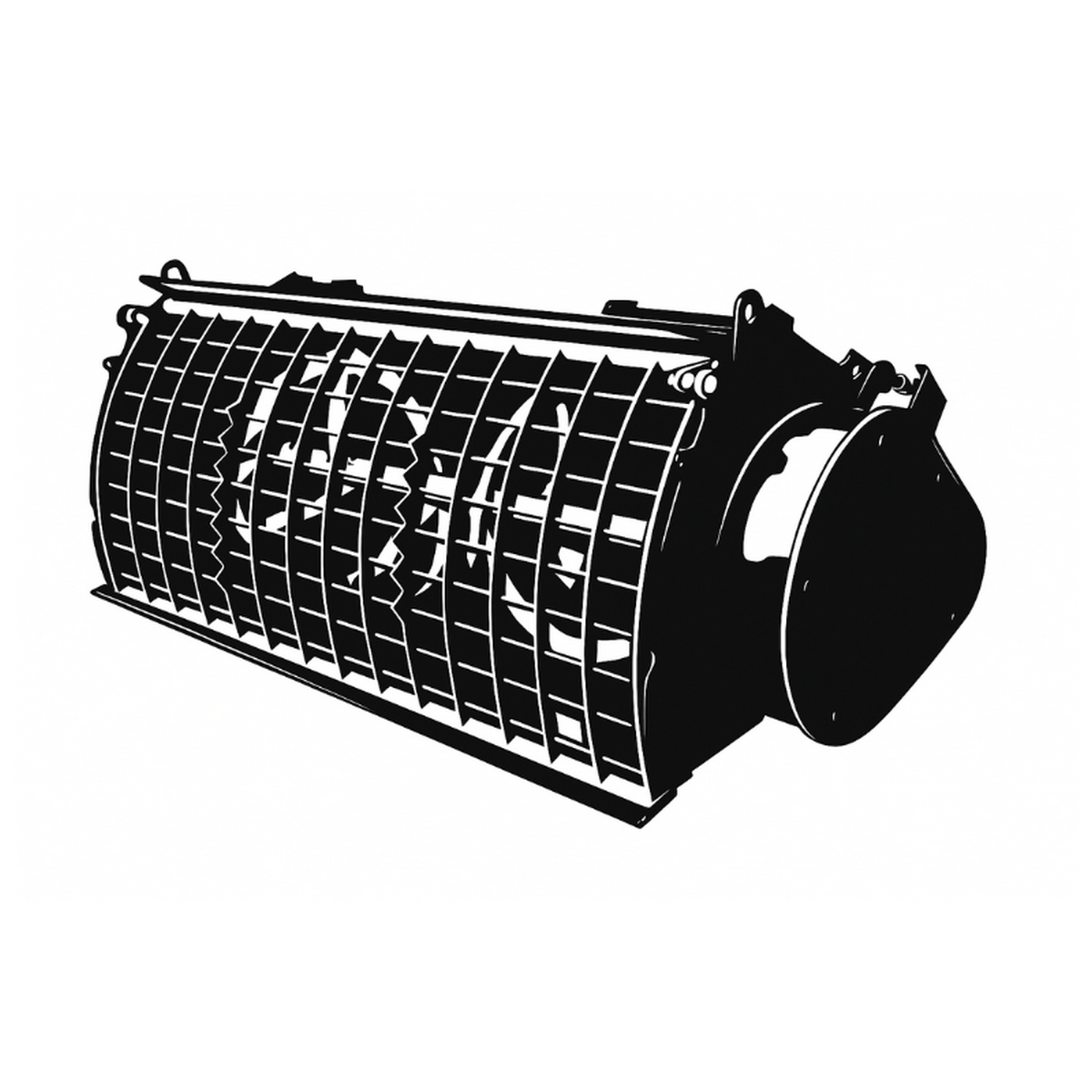 Mixing buckets for excavators
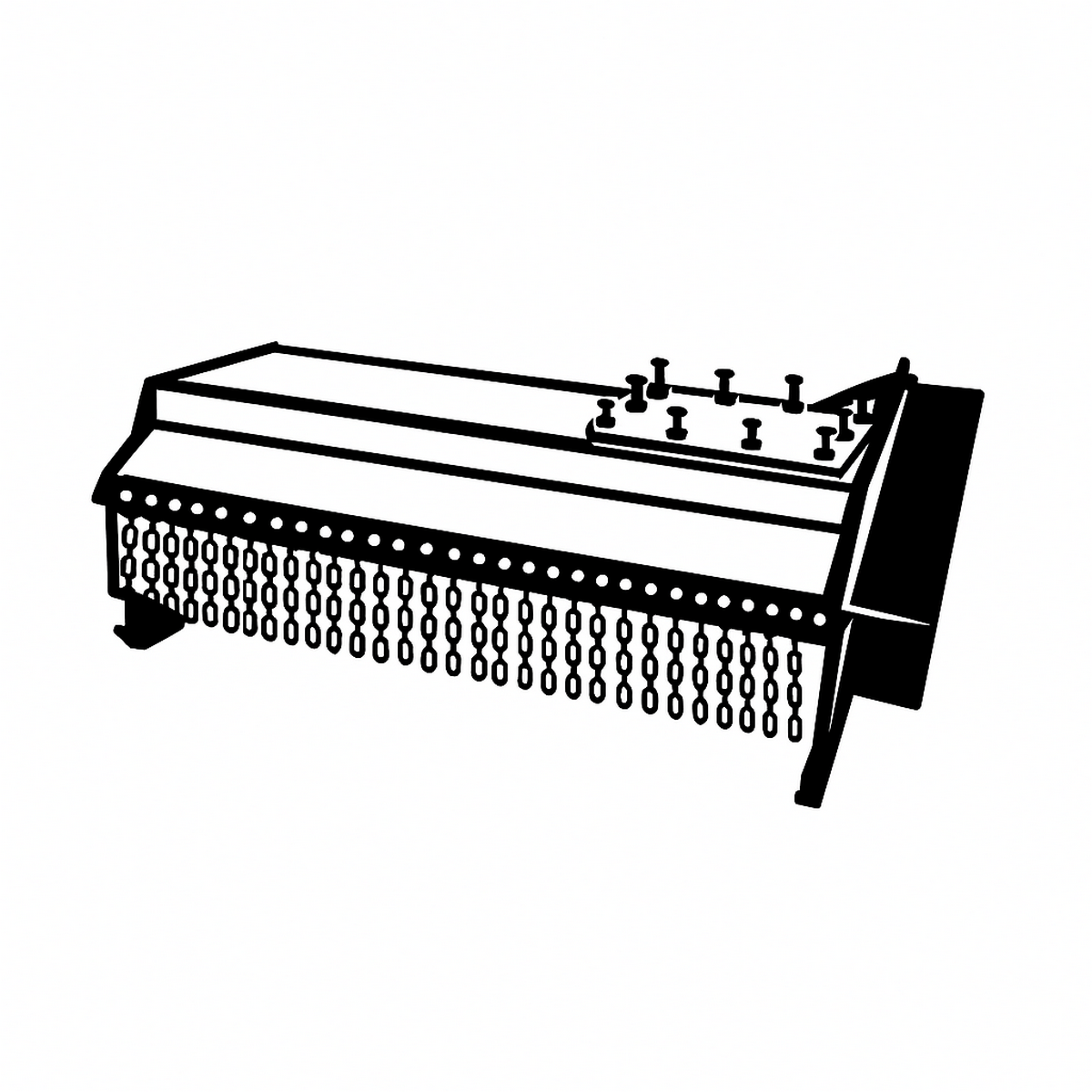 Flail mowers
Regular lubrication of a hydraulic breaker is more than a routine task - it is the key to reliable operation and long equipment life. The right grease protects the hammerhead, bushings and working parts from wear and tear, while maintaining full impact power even in extreme conditions. Find out which grease to choose for your hydraulic breaker, how often to apply it and why the performance of the entire system depends on this simple action.
What does grease do for a hydraulic hammer - why is lubrication so important?
Grease in a hydraulic breaker is not just an add-on - it is the absolute basis of its proper operation. Regular lubrication ensures that all moving parts are protected from excessive wear, friction and overheating, which can lead to serious breakdowns in the long term. In the case of hydraulic breakers for excavators or mini excavators, which operate under harsh conditions and heavy loads, the lubricant also acts as a protective barrier between the steel surfaces. This ensures that the hammerhead, bushings and pins do not wear down as quickly and that the entire machine maintains optimum impact force. If you want your equipment to retain its performance for longer, don't skip lubrication even during short work cycles - it's an investment in its longevity and reduced repair costs.
During intensive use, especially when forging hard rock or concrete, very high temperatures are generated in the hammer. Without the right lubricant, metal components begin to overheat, expand and lose their service properties. In addition, grease protects against corrosion and prevents the accumulation of dirt. It is worth remembering that hydraulic oil only lubricates the inside of the hammer, while the hammerhead and tool bushings do not come into contact with it - this is why external lubrication is crucial.
What specifications should a hydraulic hammer lubricant have?
A good lubricant for hydraulic breakers for mini excavators, excavators and loaders must be able to withstand extreme operating conditions. The most important parameters to pay attention to are thermal resistance, viscosity, adhesion and anti-corrosion properties. The lubricant should maintain its properties even at temperatures as high as 1,000°C, as the spearhead and bushings can get very hot during intensive work. Another key aspect is the NLGI consistency class, usually at level 2 - this ensures the right density so that the grease does not run off the surface, but also spreads easily over the workpieces.
Protective properties are also important - the lubricant must be resistant to water and weathering, especially if hydraulic breakers for excavators or backhoe loaders are working in mud, rain or high humidity environments. High adhesion prevents the grease from leaching out and allows an even protective film to be maintained even when working under high pressure. A good product should also contain copper, silicon or graphite additives, which form a separating film that prevents direct metal-to-metal contact. It is these ingredients that make the hammerhead move smoothly and prevent micro-cracking or seizure.
Which hydraulic hammer grease should I choose?
In practice, copper paste (so-called Meisselpaste) works best - this is a specialised grease developed for hydraulic hammers. It contains copper, graphite and mineral additives that provide excellent resistance to high temperatures and intense loads. This type of grease not only protects, but also stabilises the operation of the machine - it does not degrade, does not flow out and does not lose viscosity even with long, continuous use. Copper paste retains its properties from -20°C to +1100°C, making it a versatile choice for both winter operation and extreme heat.
Popular brands include NILS Meisselpaste, Fuchs Meisselpaste and Epiroc / Atlas Copco original greases. Each is NLGI grade 2, which means the optimum density for lubricating tool bits and bushings. Importantly, the copper paste is compatible with most models of hydraulic breakers, whether they operate on excavators, mini-excavators or backhoe loaders. However, it should not be used to lubricate bearings - in this case it is better to use a grease with a different base. When choosing a product, ensure that it is designed for manual or automatic lubrication and has a high resistance to water and corrosion.
Using the wrong grease or lack of lubrication - effects, consequences
Using the wrong grease, e.g. a simple all-purpose machine grease, is one of the most common mistakes leading to accelerated wear of a hydraulic hammer. Standard greases have too low a condensation point, so that they become too fluid at high temperatures and 'run away' from areas that should be protected. As a result, the bushings and spearhead run dry , causing galling , overheating and increased vibration. It only takes a few days of working in such conditions to notice a deterioration in performance and, after a longer period of time, the bushing may even break or the mainsail socket may be destroyed.
Lack of regular lubrication leads to even more serious consequences. Too much friction causes the working elements to heat up, which in turn affects the entire hydraulic system - the piston has to work under greater load and its seals wear out more quickly. This often ends in a costly overhaul or the need to replace the entire unit. This is why it is so important to lubricate the hammer every 2-3 hours of operation, using the correct amount of grease - usually 5-10 presses of the hand pump. In dusty environments, it is advisable to do this more often, but in smaller portions. Only then can you be sure that the hydraulic hammer will retain its power and the blade will strike with full force for many years to come.
Remember that proper care of attachments for excavators, including regular lubrication of hydraulic breakers hammers for excavators, is the simplest and most effective way to keep them in full working order for years. The right grease minimises wear and tear on working components, protects against corrosion and overheating, and guarantees smooth, trouble-free operation in all conditions. If you want reliability and low running costs, keep your equipment regularly lubricated and inspected - an investment that will quickly pay off in the form of longer life and less downtime on site.
FAQ
Can I lubricate with ordinary machine grease?
No, ordinary machine grease is not designed for extreme temperatures and quickly loses its properties in a hydraulic hammer. This can lead to overheating, seizure and costly damage to the bushing and the mainsail.
How often to lubricate?
It is recommended to lubricate every 2-3 hours of operation or more frequently in dusty environments. In practice, it is always a good idea to do this after a long break and before starting the next working day.
Is the same grease used for bearings and mainsail?
No, the copper paste used for arrowheads is not suitable for bearings as it has different thermal properties and composition. Bearings require a grease with a lower operating temperature and a different viscosity.
Manual or automatic lubrication?
Manual lubrication gives full control over the amount and frequency of application, but requires regularity. Automatic lubrication offers convenience and constant protection, but the system must be checked regularly.
What is the NLGI 2 grease class?
This is an indication of the density of the grease - NLGI grade 2 indicates a medium consistency, resembling butter. This ensures that the grease adheres well to the surface, but still spreads easily.
Can the paste work under water?
Yes, copper paste for hydraulic hammers is waterproof and retains its properties even when working in damp environments or under water. This is one of its biggest advantages.
What is the annual cost of lubrication?
With regular use of the hammer, the cost of grease is around £150-250 per year. This is a small expense compared to repair costs resulting from lack of lubrication.
Can I mix brands of grease?
It is better to avoid this, as different chemical compositions can react and degrade the lubricating properties. If you change brands, remove the previous grease thoroughly before applying the new one.
How do I check if the hammer is well lubricated?
Proper lubrication is evidenced by an even, thin layer of grease on the blade and no excessive friction during operation. If the hammerhead heats up faster than usual or makes unusual noises, it is a sign that there is not enough grease.
What are the symptoms of a poorly lubricated hydraulic breaker?
Symptoms of a poorly lubricated hydraulic hammer include excessive noise and overheating of the hammerhead or bushing after only a short period of operation. You may also notice a decrease in impact force, vibration or play in the mainsail socket, indicating too little or the wrong type of lubricant.
Read also:
-
- How to choose a hydraulic breaker for mini excavator?
- The wrong hammer is a big problem. How do you choose the right model for your excavator?
- How does a hydraulic breaker work?
- Hydraulic breakers for excavators with demolition breaker - what to look for when choosing one?
- Excavator demolition breaker operation - how to extend its life?
- When to buy a demolition hammer and when to rent one?
- New tempts with warranty, used with price - how to make a good decision when buying a hydraulic breaker?
- The most common faults and failures of hydraulic hammers - how to solve them?
- Hydraulic breaker versus pneumatic breakers for excavators - differences, disadvantages, applications
- Hammer or hydraulic hammer breaker - which will work better on your excavator?
- Don't choose blindly - find out the real differences between hammer and vibratory hammer
 Previous
