
 Shears, demolition jaws for excavators
 Hydraulic drill rigs
 Hydraulic pile drivers for excavators
 Screening buckets for excavators
 Hydraulic grapples for excavators
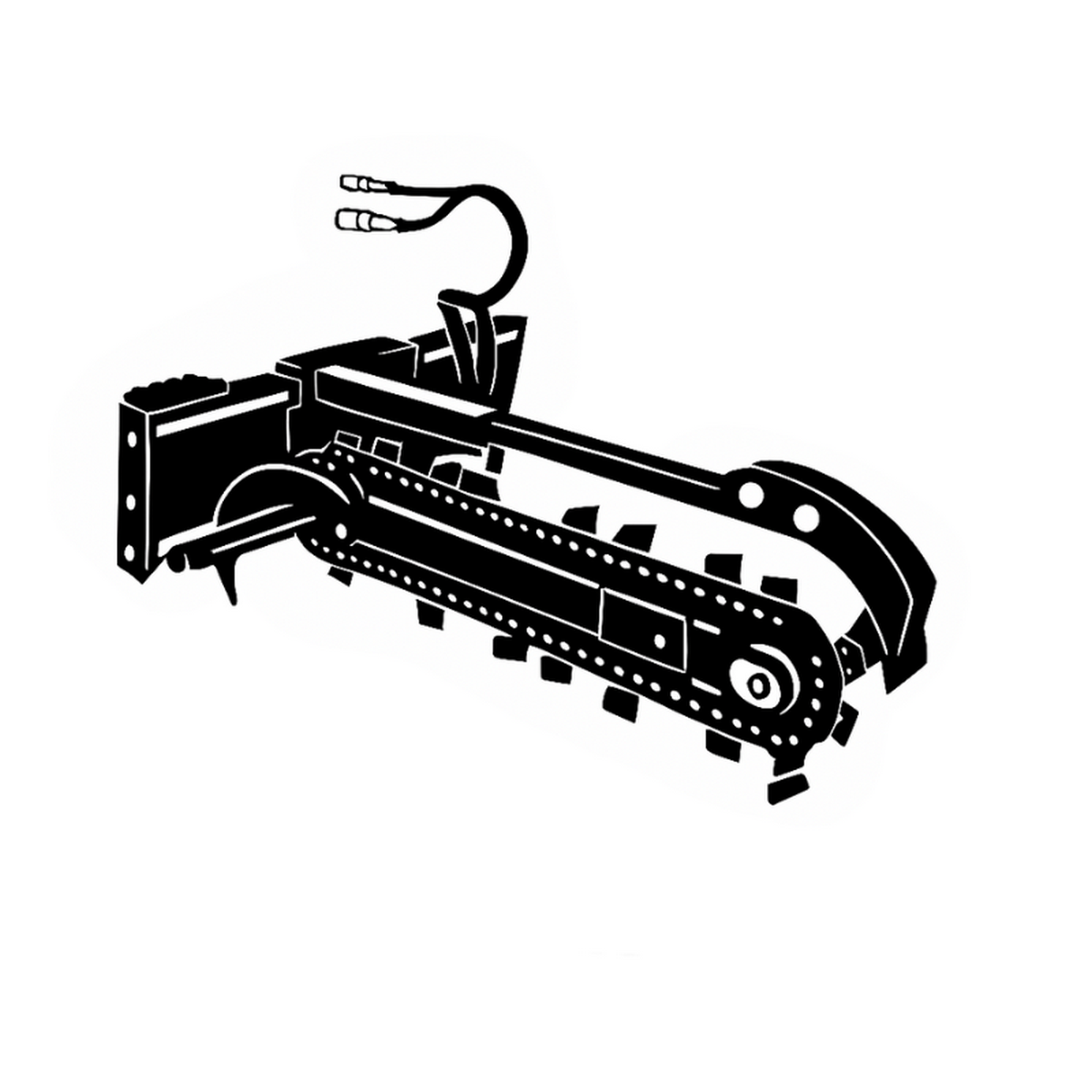 Chain trenchers
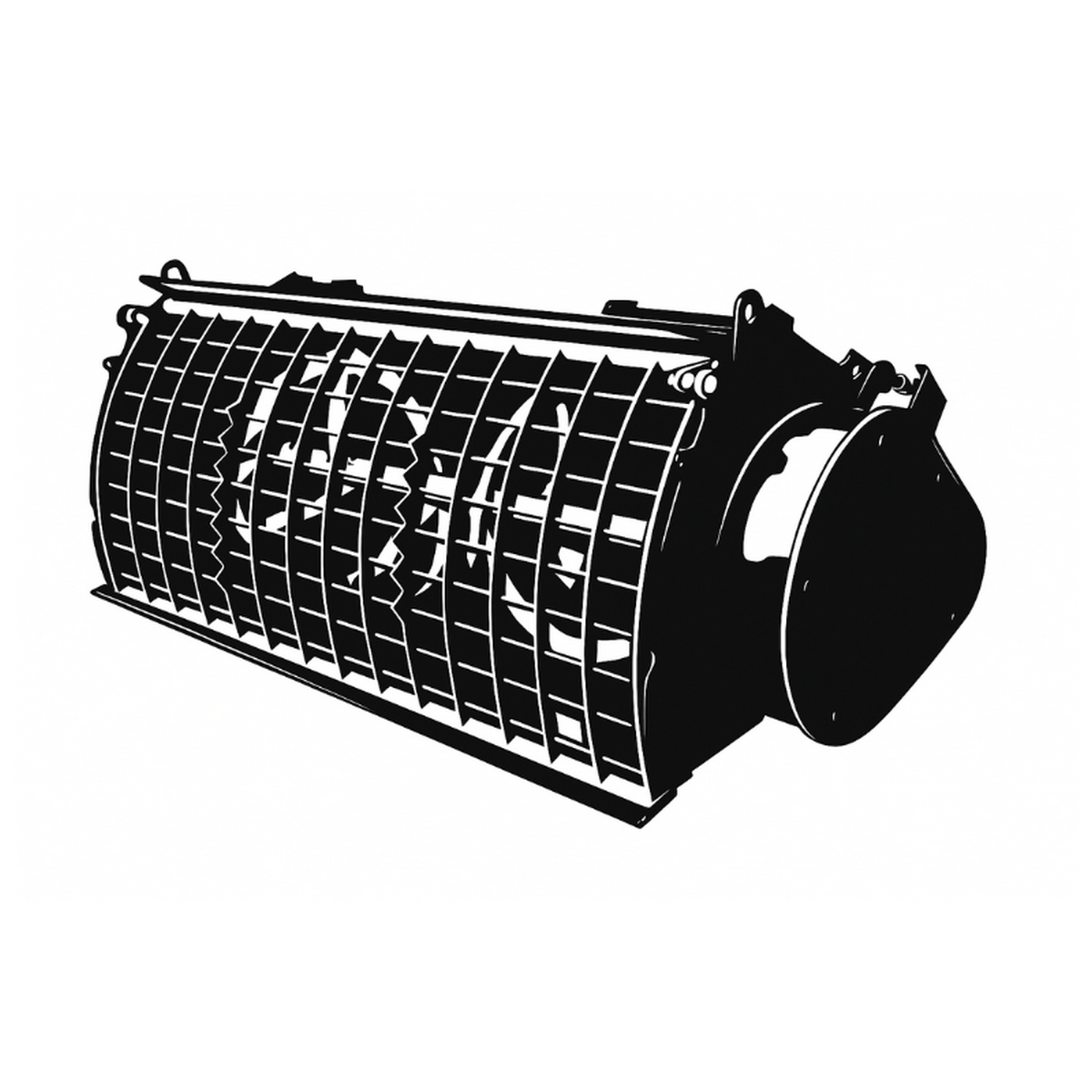 Mixing buckets for excavators
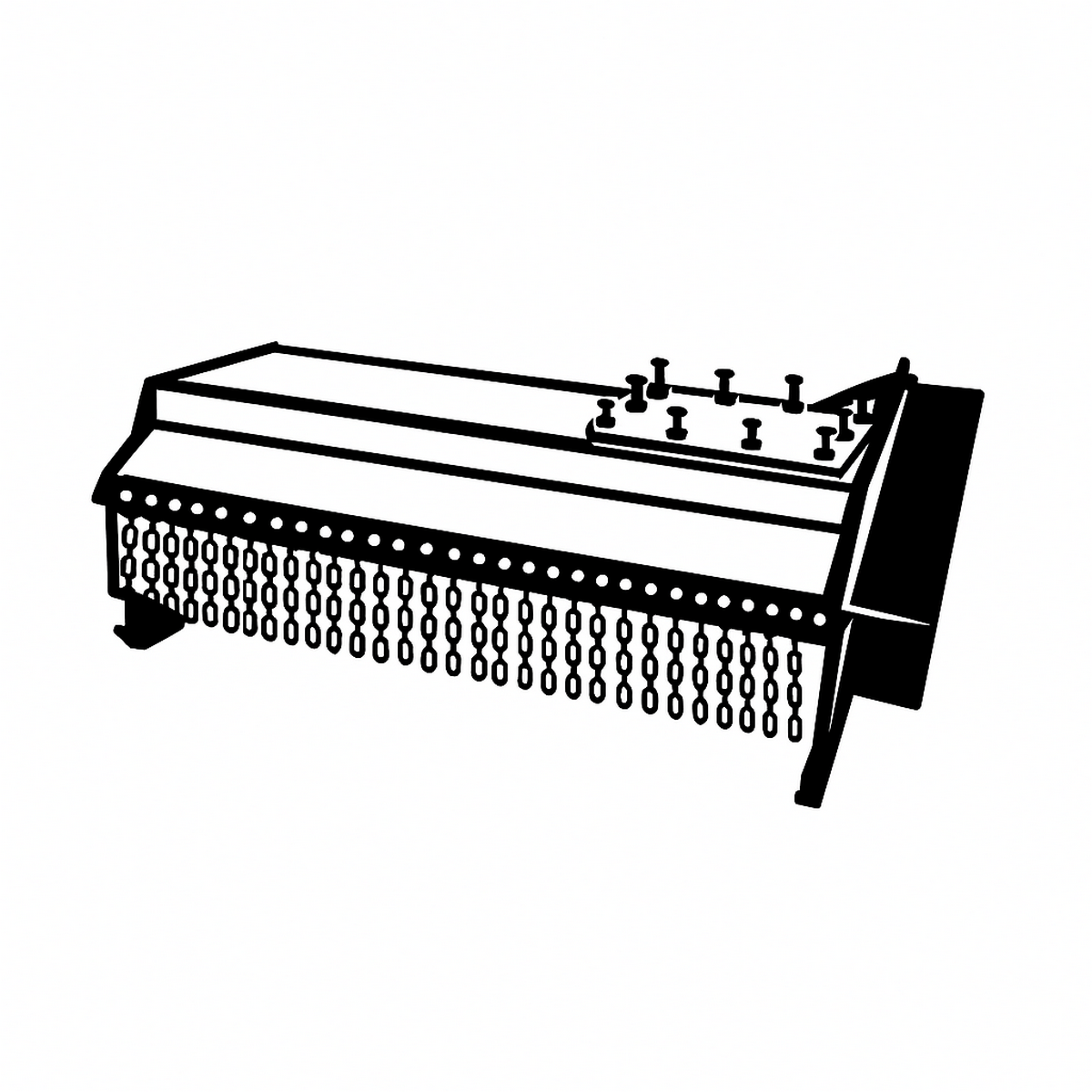 Flail mowers
A plough for your quad can be a huge help or a source of unnecessary frustration - it all depends on which plough you choose and whether it actually suits your quad and working conditions. Before you make a decision, it's worth knowing a few key principles that are far more important in practice than marketing descriptions. This guide will help you choose your quad plough sensibly so that your equipment works effectively, safely and for more than one season.
Which quad plough makes sense in practice? Match the equipment to the power, width and realistic working conditions
Before you even begin to consider which quad plough to choose, it's worth pausing for a moment to look at the vehicle itself. It is the power of the engine, the weight of the quad and its width that determines the real possibilities of working with the blade. In theory, many ploughs 'fit everything', but in practice, an attachment that is too wide or too heavy can effectively turn snow clearing into an exhausting struggle with the equipment. It is understood that a blade around 150cm wide requires a minimum of 30-40hp if you want to work smoothly, without throttling the engine or nervous jerking. Equally important is the width of the quad itself - the plough should extend beyond the wheels by at least a dozen centimetres, otherwise the snow will go back under the tyres and take away traction. This is where many people make the first mistake, suggesting only the price or the appearance, rather than a realistic fit for the machine they have in their garage.
The conditions in which you will actually be working are also important. A different plough will work well on a narrow property with cobblestones, and another on a long, open driveway or car park where speed and wide travel are important. If the quad has 4x4 drive, the possibilities are greater, but even then it's worth bearing in mind the extra weight on the front and how the vehicle behaves when pushing wet snow for long periods. With poorly matched kit, overheating, loss of traction and just plain fatigue quickly set in for a job that was supposed to be fast and comfortable. Therefore, rather than just asking 'which plough to choose', it's better to take a broader look - whether that plough actually fits your quad and the terrain, not just the description in the shop.
Wide or narrow, steel or lightweight? How to choose a plough for your quad without overpaying and getting frustrated in winter
One of the most common dilemmas when choosing is the width of the blade. On the one hand, a wide plough tempts with the vision of faster work, on the other hand, it can effectively give a weaker quad bike a hard time. For narrow paths, pavements and smaller properties, ploughs in the 120-140 cm range are better suited, as they are more manoeuvrable and allow precise handling of the equipment. For larger areas, such as driveways, yards or car parks, 150-180 cm plough blades start to make sense, but only if the quad can actually 'lift' them in practice and not just on paper. At this point, it is worth assessing your needs honestly, because a plough that is too wide will not speed up your work if you have to reverse every now and then or fight a lack of grip.
The second important decision is the material of construction. Steel ploughs tempt you with their durability and resistance to compacted, heavy snow, but you have to reckon with their heavier weight and the need for regular maintenance, especially in contact with road salt. Aluminium is a compromise - lighter, more resistant to corrosion, but less forgiving when hitting kerbs or bumps. Plastic ploughs, on the other hand, are the lightest and safest for softer surfaces, but not everyone will be happy with their performance in frost and harder conditions. If you are considering which plough to choose, think not just about one winter, but about how often and in what conditions you will actually use it. Then you can more easily avoid the situation where a cheap purchase quickly becomes unenjoyable.
|
Blade width |
Material |
Weight (kg) |
Min. quad power |
Adjustments (angle/height) |
Guide price (PLN) |
Best for. |
|
120-130 cm |
Plastic/rubber |
25-35 |
25-35 HP |
3-5 positions / manual |
800-1100 |
Narrow paths, pavements |
|
140-150 cm |
Aluminium |
35-45 |
30-40 HP |
5 positions / spring-loaded |
1100-1400 |
Medium property, cobblestones |
|
150-170 cm |
Steel |
45-60 |
40+ HP |
7 positions / hydraulics |
1400-2000 |
Large driveways, parking areas |
|
180+ cm |
Steel/alu |
60+ |
50+ hp (4x4) |
5-7 + rotary blade |
1800+ |
Farms, yards, versatility |
Adjustments, fitting and extras that make a difference - what to look for when choosing a plough for your quad
On paper, many ploughs look similar, but in day-to-day use it's the adjustments and mounting that make a huge difference. Being able to adjust the angle of the plough blade in several positions allows the snow to be spread better to the side and the track to be adapted to a particular surface. Equally important is the height adjustment, especially if you are working on paving, asphalt or uneven terrain - a few millimetres make the difference between a clean surface and unnecessary scratches. It's also worth looking at the shock absorption system, springs or safety features that protect the plough and quad frame when suddenly hitting an obstacle. These are elements that are often overlooked at the time of purchase and later determine whether the equipment will last more than one season.
The second thing you will quickly appreciate is the ease of assembly. Click & Go systems or well-designed mounting plates allow you to hook up a plough in minutes, without wrestling with spanners in the cold. Check frame compatibility too - universal solutions are convenient, but sometimes a dedicated adapter gives better stability. In practice, a 12V winch comes in very handy to make raising and lowering the blade easier, especially for longer work. It's details like these that make what kind of plough for a quad stop being just a theoretical choice and start being a real tool that you use for pleasure rather than obligation.
If you want to see what fine-tuned adjustments and robust assembly should look like in practice, it is worth taking a peek at an example of more advanced designs, such as the 218 cm snow plough with hydraulic swing offered by Techna Poland. This is a piece of equipment designed for intensive work, in which the precise change of the blade angle is carried out hydraulically, without manual adjustment during snow clearing. The plough's robust construction, large working width and stable mounting systems show how much difference well thought-out technical details make.
One plough, multiple uses - which plough to choose for more than just winter use
Although the quad plough is mainly associated with winter, in practice it can be a surprisingly versatile tool. Outside the snow season, a well-chosen plough blade will prove useful for levelling the ground, pushing sand, gravel or even manure. In such applications, the resistance of the working edge and the ability to quickly adjust the working angle are particularly important. It is worth paying attention to the scraper rubber, which protects the surface and, at the same time, allows working on various surfaces without risk of damage. In this way, the plough does not end up in the corner of the garage for a few months, but realistically supports the daily work around the house or farm.
However, to ensure that the equipment actually lasts for more than one season, maintenance and preparation must not be forgotten. Regular cleaning of salt, lubrication of moving parts and checking the attachments before winter can significantly extend the life of the plough. It is also worth remembering the wheel chains, which improve traction and relieve strain on both the quad and the plough blade itself.
A well-chosen plough is only one of the elements that determine efficient and comfortable work, regardless of the season. Equally important is the quality of the attachments, the durability of the components and access to solutions tailored to different tasks. At Techna Poland, you will find high-quality parts and attachments for excavators, as well as a wide range of tools that work well not only for snow clearing, but also for gardening, industry and construction. This is an offer for people who focus on reliability, functionality and equipment that is ready for real work and not just for one season or one application.
FAQ
Is a quad plough suitable for steep driveways?
Yes, but good traction is key - 4x4 drive, adequate front-end loading and wheel chains significantly improve safety and efficiency on inclines. On steep terrain, it's also worth avoiding overly wide blades.
Can a quad plough be used on paved surfaces?
Yes, provided the plough is height-adjustable or has a rubber scraper bar to protect the surface from scratches. A rigidly positioned blade without protection can damage the grout or edges of the paving.
Is every quad suitable for snow plough work?
Not everyone - quads with very low power or without 4x4 drive can have traction and overloading problems. It's worth checking the vehicle manufacturer's load limits and recommendations before buying.
How do I store my plough after the winter season?
It is best to wash it thoroughly, remove any residual salt and moisture and lubricate the moving parts. Storing it in a dry place significantly reduces the risk of corrosion and play in the mountings.
Are additional accessories required to work with the plough?
They are not compulsory, but a winch, wheel chains and an additional load significantly improve comfort and efficiency. With frequent snow clearing, they quickly become a real convenience rather than an add-on.
 Previous
