
 Shears, demolition jaws for excavators
 Hydraulic drill rigs
 Hydraulic pile drivers for excavators
 Screening buckets for excavators
 Hydraulic grapples for excavators
 Chain trenchers
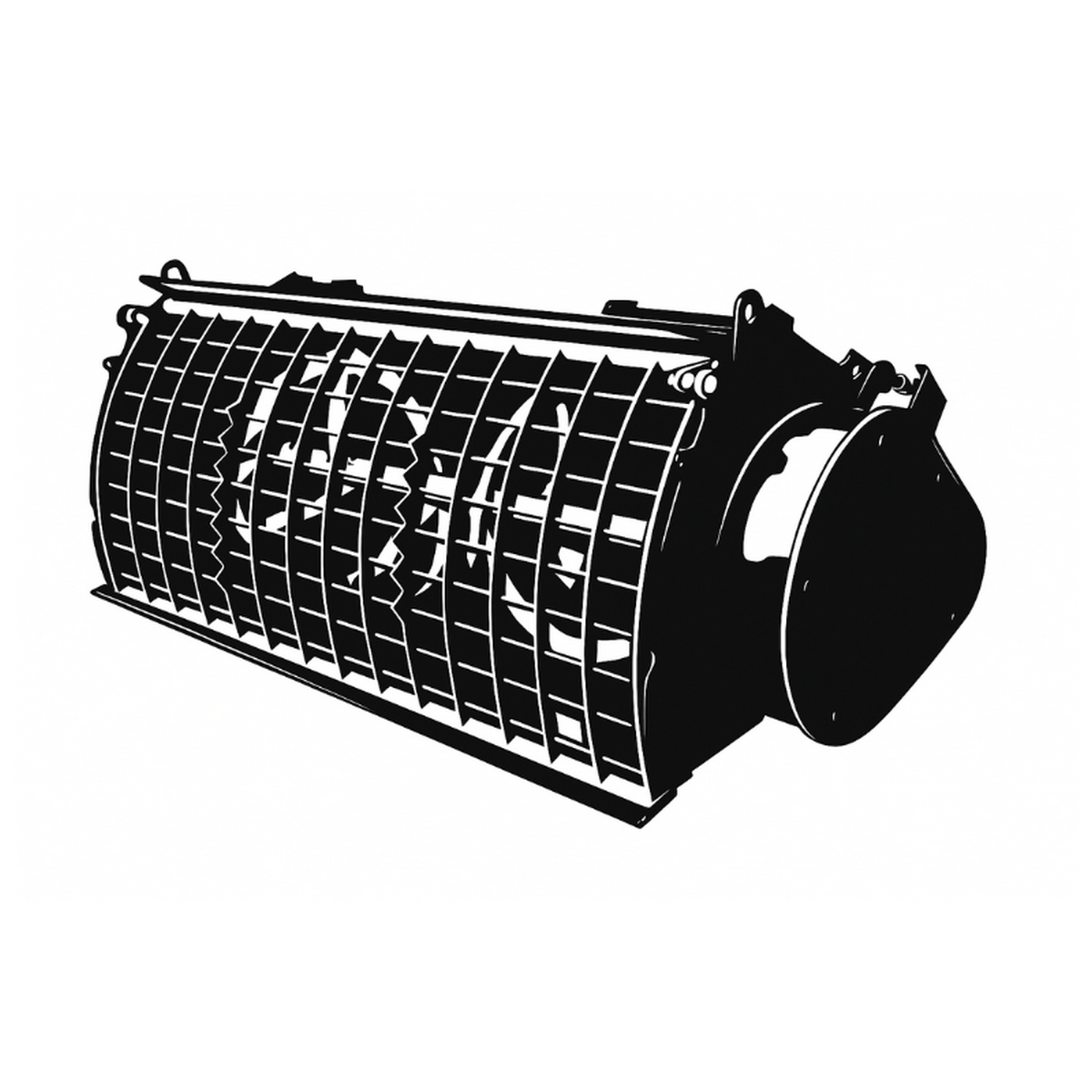 Mixing buckets for excavators
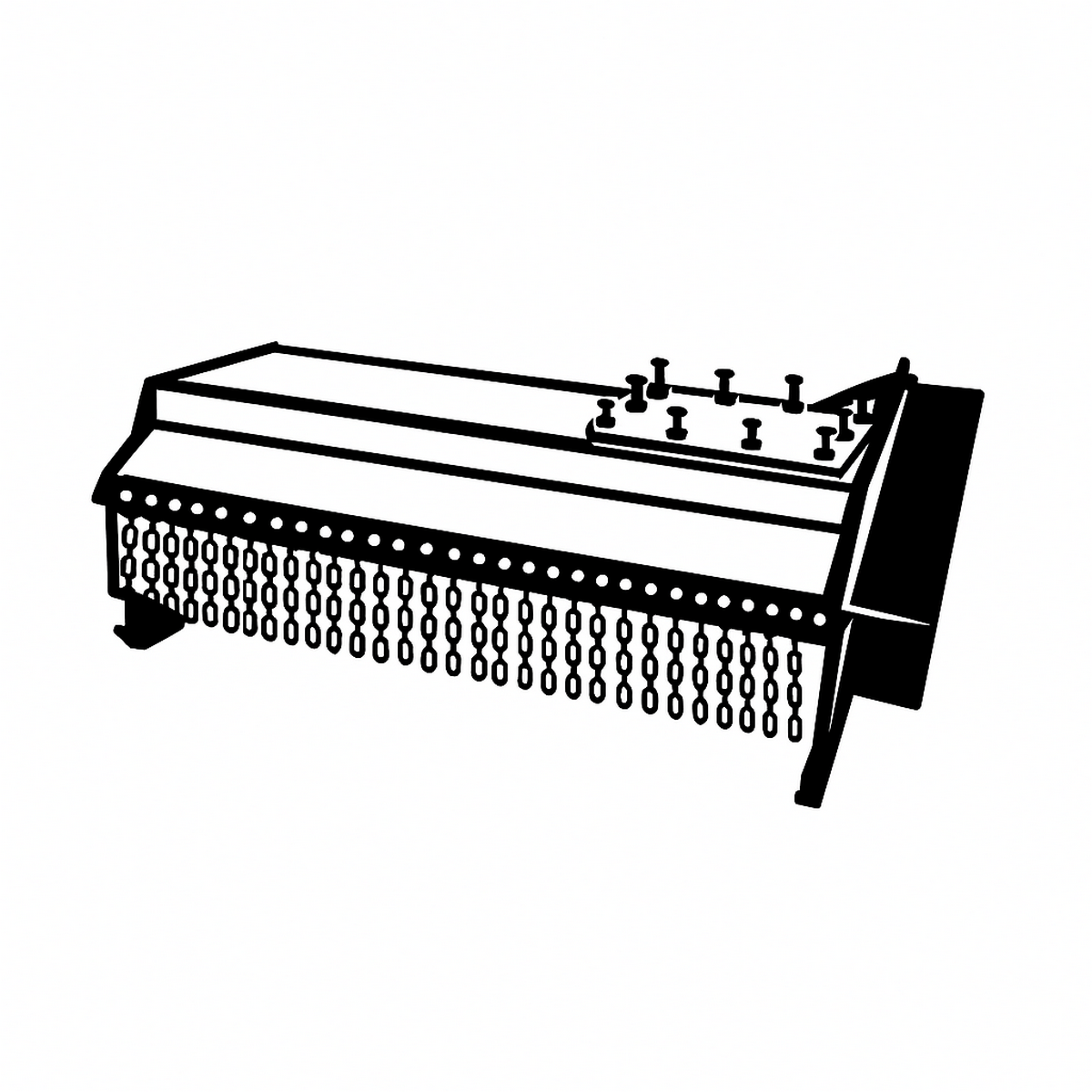 Flail mowers
Winter quickly verifies whether a snow plough has been well-designed or just looks solid on paper. The differences in design, operation and machine fit make a huge difference both on the road and on a private plot, where conditions can change from day to day. In this guide, you will find specific technical aspects of snow plough design - from classic flatbed designs to rotor solutions to quad ploughs that require special precision. It's a practical look at how to design and select a plough that makes snow clearing realistically easier, rather than generating additional problems during the season.
Building a snow plough from the ground up - a properly designed structure that really clears away, rather than just pushing the white problem further away
At the snow plough design stage, everything starts with a realistic view of where and how the equipment will work. You plan the design differently for a narrow access road, differently for a square, and still differently for an uneven plot of land where kerbs, manholes or loose gravel are hidden under the snow. The width of the snow catcher, its height and also the angle of attack must be determined at the outset, as these determine whether the snow will be effectively pushed aside or whether it will start to wedge in front of the slab. The geometry of the slab itself is also key - a gentle camber improves snow flow, reduces drag and relieves the burden on the vehicle. It is worth remembering that too aggressive an angle can cause the plough to jack up and lose control, especially on slippery surfaces. Even at this stage, it is a good idea to provide room for adjustment - manual or hydraulic - as a fixed, unchanging angle will very quickly start to limit the functionality of the whole structure.
The second, often underestimated aspect is the strength of the substructure and its behaviour under load. The plate itself is only the beginning - the intermediate frame, the attachment points and the way the forces are transferred to the vehicle are equally important. A poorly designed frame can transmit vibrations directly to the suspension, which in winter ends up with play, cracks or crooked components. In practice, what matters is a sensible compromise between weight and stiffness - a structure that is too light will start to "dance" in snowdrifts, while one that is too heavy will weigh down the front of the vehicle and compromise traction. It is also worth anticipating safety features such as deflector springs or rubber strips that protect both the plough and the road surface. It is details such as these that determine whether a plough is up for revision after one season or whether it continues to operate without any nervous surprises.
The basic design is common to most models:
- theblade - the top edge of the plate that 'cuts' through the snow layer and directs it sideways,
- stripper/ scraper plate - a polygonal plate that deflects the snow to the side or roadside,
- straight-rod system / actuators - hydraulic or mechanical components that allow the clearing board to be raised, lowered and twisted as required,
- intermediate frame - the element that connects the plough to the vehicle frame or to the hitching system,
- hydraulic system supply - hydraulic pump and (often) electric motor powered from the vehicle; control from the cab in the form of a console or manoeuvre.
Rotary plough - equipment design for the demanding
When there is a large amount of wet, compacted or windblown snow, the classic plough quickly becomes ineffective, which is why the rotary plough is better suited to such conditions - the design of this construction is based on actively removing the snow, rather than pushing it away. It is mainly designed for large areas, long roads and places where there is no space to push the snow aside. The biggest advantage of the rotary plough is its high performance in snowdrifts and heavy snow, reducing the number of passes and keeping work flowing even in difficult winter conditions. It is more demanding, but a well-designed structure translates into real efficiency where simple solutions fail.
Key components of the rotary plough design:
- rotor/ milling auger - a rotating head with blades that shred snow and ice and then transfer the material to the ejection chimney,
- ejectionchimney - a rotating pipe through which the snow is thrown to the side; often hydraulically or mechanically adjustable (direction and angle of inclination),
- support skids - elements that protect the auger from damage, often with height adjustment and locking protection,
- drive system - often via a power take-off (PTO) from the tractor or a special mechanical/hydraulic drive,
- control and safety - hydraulics, pump, power supply from the vehicle, overload protection, KTL corrosion painting.
Rotary ploughs are effective in snowdrifts up to 1 m high, and the use of an auger and rotor allows for effective removal of wet and compacted snow, which a classic flat plough cannot handle.
Building a plough for a quad bike without overloading the machine - how to choose the width, weight and attachment to avoid getting stuck in the first snowdrift
A plough designed for a quad requires special attention, because here the margin for error is much smaller than with a tractor or car. A quad has limited weight, power and traction, so every design decision should be subject to a balance between efficiency and safety. Working width is crucial, which is usually in the 120-150 cm range - a plough that is too wide will create resistance that the drive simply cannot handle. Equally important is the height of the ploughshare, as too high a plate will increase drag and snow pressure, leading to loss of traction very quickly with a lighter vehicle. Therefore, when planning or wishing to fit a plough to a quad, it is advisable to opt for a design that is as simple but robust as possible, with a well-chosen plate profile that effectively disperses the snow without overloading the machine.
No less important is the attachment of the plough to the frame of the quad, which must be stable, but at the same time allow for quick assembly and disassembly. Systems based on mounting plates or Click & Go solutions allow convenient tool-free operation in difficult winter conditions. A spring-loaded cushioning system to protect the structure in the event of a sudden impact on an obstacle and angle adjustment, even if it is gradual rather than smooth, are worthwhile. In the case of a quad, every kilogram matters, so using reasonable steel thicknesses and reinforcing elements only where they are really needed avoids overloading the front of the vehicle. It is details like these that practically answer the question of which quad snowplough will be safe, effective and suited to the real capabilities of the machine.
The 218 cm flat snow plough with hydraulic pivot and side swivel - designed for compact skid-steer loaders, but can also be fitted to a quad - proves its worth wherever fast and precise snow removal is important.
Why is a well-designed snow plough so important?
A well-designed snow plough determines whether snow clearing is carried out efficiently and safely or whether it turns into a battle with the equipment. The right geometry, the right width and good balance allow snow to be removed smoothly, without overloading the vehicle and without unnecessary loss of traction. A poorly designed design quickly leads to handling problems, more wear and tear on components and a reduction in working efficiency. This is why well thought-out plough design makes a real difference in everyday winter use.
A well-thought-out snow plough design is not a matter of a single component, but of an entire design tailored to real working conditions. Whether it is a classic flat plough, a rotor solution or a plough design for a quad bike, proportions, balance, adjustability and robustness are of key importance. It is advisable to go for tried and tested solutions from manufacturers who design attachments with real field use in mind, not just catalogue parameters. Techna Poland offers robust attachments for excavators, mini-excavators and mini-loaders, including snow ploughs that combine durable design, functionality and fit with a variety of machines to ensure reliability even in harsh winter conditions.
FAQ
- Does the plough material have a real impact on its durability in winter?Yes, because the quality of the steel determines the resistance to deformation, cracking and corrosion at low temperatures. Poor materials quickly lose rigidity and shorten the life of the whole structure.
- Can a single plough perform well on the road and on a plot of land at the same time?
Yes, provided the plough has angle adjustment and surface protection features. The versatility comes from the ability to adjust the settings to suit varying terrain conditions. - Is it worth using a rubber strip instead of a steel strip on the lower edge of the plough?
Yes, especially on asphalt and paving stones, where rubber reduces surface damage and vibration. The steel edge performs better on ice, but is more aggressive to the ground. - What is the importance of the plough's angle of attack when shoveling wet snow?
The correct angle of attack reduces drag and prevents heavy snow from wedging in front of the plate. Lack of adjustment quickly leads to a loss of traction and a drop in performance. - Can a quad plough be used safely on tarmac and paving stones?
Yes, if the plough is well balanced and fitted with a rubber strip or shock absorption system. It is also crucial to match the working width to the weight of the quad. - What are the most common mistakes made when building a snow plough yourself?
The most common are overly heavy construction, lack of working angle adjustment and insufficient safety features. Such mistakes lead to overloading and rapid wear of the equipment. - Is hydraulics in the plough necessary or is manual adjustment sufficient?
Manual adjustment is sufficient for occasional clearing of small areas of snow. Hydraulics significantly improve comfort and efficiency when working intensively.
 Previous