
 Shears, demolition jaws for excavators
 Hydraulic drill rigs
 Hydraulic pile drivers for excavators
 Screening buckets for excavators
 Hydraulic grapples for excavators
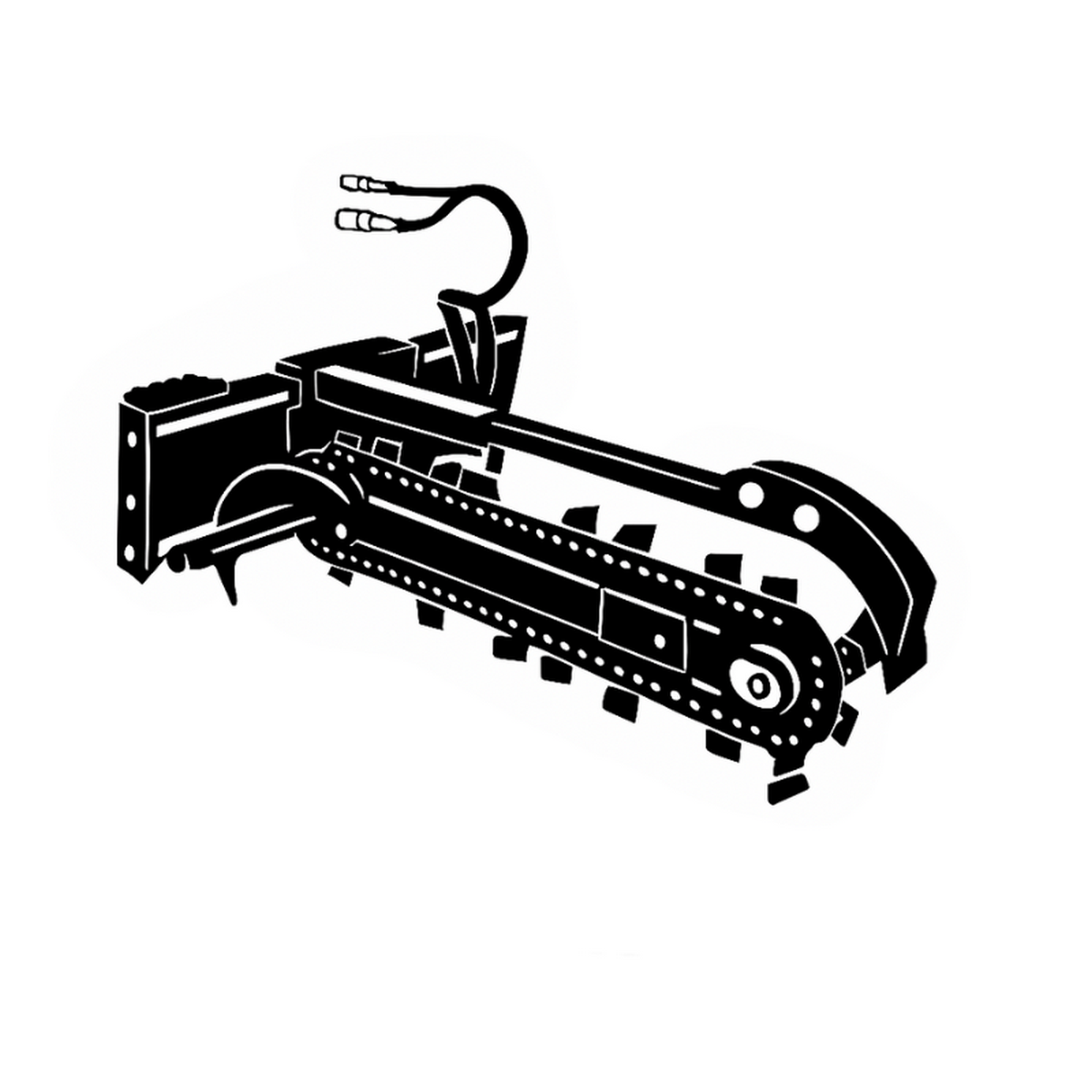 Chain trenchers
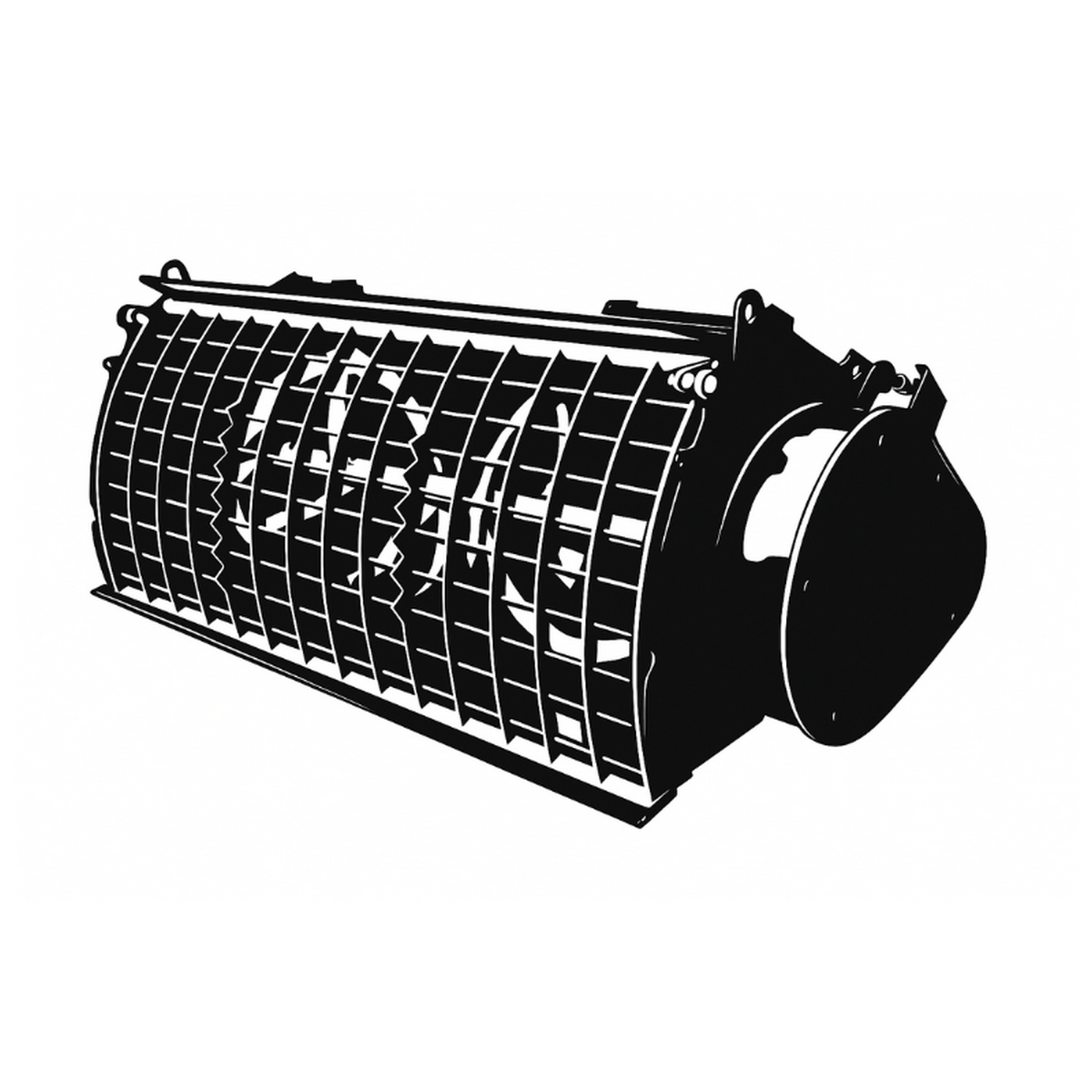 Mixing buckets for excavators
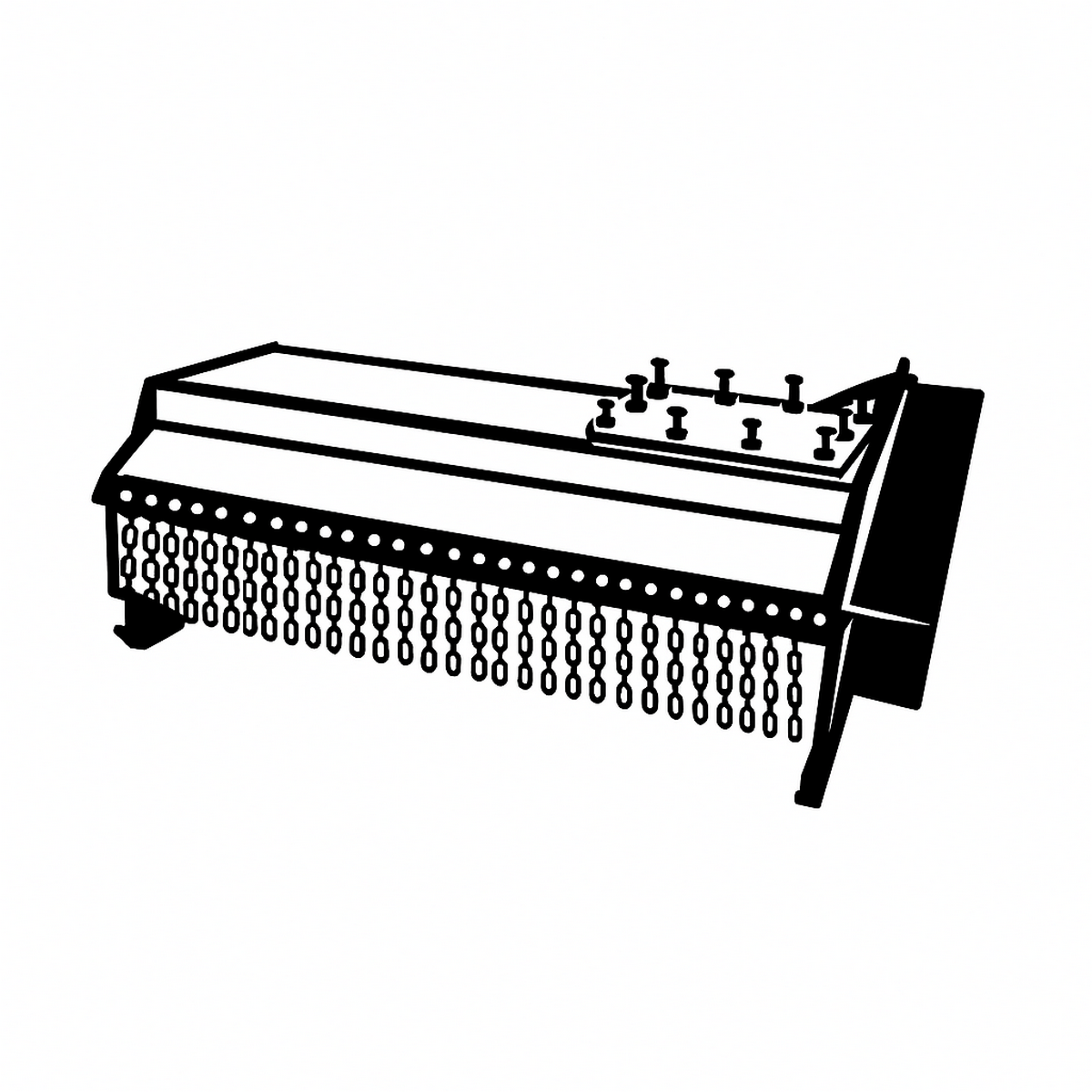 Flail mowers
The choice of bucket for the mini excavator can determine whether the job goes smoothly or whether it turns into a series of amendments and wasted time. A different attachment will be suitable for digging foundations and a completely different one for precise work in the garden, where every movement of the machine counts. If you want to know what to really consider when choosing a bucket, how to avoid making costly mistakes and how to choose the right attachment for a specific task, this guide will answer the most important questions without technical confusion or marketing promises.
Foundations aren't a game of precision - which mini excavator bucket really gets the job done on footings?
When digging foundations, it's not about surgical precision, it's about efficiently and reproducibly digging a trench that has a defined width, depth and stable bottom. Digging buckets and backhoe buckets with a width of 40 to 60 cm are best suited to this stage of work, as they enable the soil to be excavated quickly and the excavated material to be easily removed. This range is a sensible compromise - the bucket is neither too narrow nor too wide, so work goes smoothly and the mini-excavator does not lose power to idling. In practice, this means fewer passes, less manoeuvring and less equipment fatigue, which is especially important if you are working in clay, compacted soil or soil with an admixture of gravel. A bucket that is too narrow, although theoretically more 'accurate', very quickly starts to slow down the job and generate unnecessary amendments.
It is also worth paying attention to the design and material of the bucket. With foundations, resistance to abrasion and torsion is important, so reinforced models made from Hardox steel are definitely a better choice than cheap replacements. With a capacity of 0.05-0.1 m³, the excavated material can be efficiently transported without overloading the machine arm, especially on mini excavators of 2-5 tonnes. In practice, the mixing buckets for excavators can also be used in addition to such attachments, which are suitable for preparing mortar, concrete or soil stabilisation directly on the construction site.
Garden, lawn, planting - when a wide bucket destroys more than it helps
Garden work requires a completely different approach than excavating for foundations. Here, any uncontrolled movement can mean a ruined lawn, damaged roots or a sunken bed edge, which is why wide buckets, although tempting in terms of speed, often do more harm than good. Narrower buckets, 20-35 cm wide, which allow you to precisely guide the excavation exactly where you need it, are best for such tasks. Slope buckets or hydraulic buckets offer smooth manoeuvrability, and adjustable working angles make it easy to adapt to existing terrain without disturbing it too much. This is particularly important when digging for plantings, garden installations or ponds, where there is very little margin for error.
With lighter mini-excavators, especially those under 2 tonnes, the weight of the attachment is also of great importance. A bucket that is too heavy compacts the ground and makes it difficult to control the machine precisely, so in the garden it is better to opt for lighter designs, even at the expense of a smaller capacity. Although the work is slower, you gain full control of the excavation and do not have to correct the ground by hand afterwards. In some situations, hydraulic mini-excavator drills are also helpful, allowing you to drill spot holes for posts, fences or landscaping without digging up the entire area. This is a solution that really reduces working time and minimises interference with the finished garden.
Which mini excavator buckets should I choose so as not to waste time and equipment?
If you are using the same mini excavator for a variety of jobs, it becomes crucial to choose your attachments wisely, rather than trying to do all the work with one type of bucket. Tine digging buckets are great at working earth, gravel or light debris, so they are the natural choice for foundations and deeper excavations. Backhoe buckets, on the other hand, offer greater versatility - they work well in both soft and medium-hard ground, making them a practical choice for plumbing or sewer work. A completely different role is played by slope buckets, which are not used for aggressive digging , but for levelling, profiling and aesthetically finishing the ground.
A well-chosen set of buckets allows a smooth transition between the different stages of work, without unnecessary downtime and without overloading the machine. With mini excavators of 2-5 tonnes, it's a good idea to have at least one working bucket for heavier tasks and one lighter, more precise one for finishing touches. That way you don't have to improvise or risk damaging the ground or equipment. In situations where the ground is resisting or there are features that the bucket cannot cope with, hydraulic hammers or drills become a natural extension of the mini excavator's capabilities. These are not 'for show' extras, but real tools that allow you to work faster and safer, without straining the basic attachment.
Increasingly, screening buckets for excavators are also proving helpful in such work, allowing soil to be separated from stones or rubble without the need for manual sorting. These are not 'for show' extras, but real tools that allow you to work faster and safer, without straining your primary attachment.
|
Application |
Width (cm) |
Bucket type |
Advantages |
Disadvantages |
|
Foundations |
40-60 |
Digging/subsoiling |
High performance, excavation force |
Less precision in tight spots |
|
Precision garden |
20-35 |
Scarp/hydraulic |
Accuracy, manoeuvrability |
Lower capacity, slower work |
Width, steel, weight - what to look for when choosing a bucket so you don't regret it after the first dig?
The choice of bucket should not stop at width alone. The working capacity, reinforcement and type of steel have a huge impact on the comfort of the work and the durability of the attachment. For foundations, it is crucial that the bucket is resistant to abrasion and twisting - Hardox steel significantly extends its life, especially in difficult soils. On the other hand, for precision garden work, lightness and balance become more important, as they determine how precisely you can operate the arm of the mini excavator. A bucket that is too heavy can take control away from the machine, even if it theoretically fits within its parameters.
It is also worth remembering that not every job should be done with a bucket, even if it is technically possible. Trying to break up hard obstacles or drill holes with a bucket leads to rapid wear and tear on the attachment and increases the risk of failure. In such cases, hydraulic hammers for mini excavators and hydraulic drills are a natural addition to the working set-up. They allow specific tasks to be completed faster, more accurately and without overloading the machine.
If you are looking for proven and durable excavator attachments that can handle both foundation and precision garden work, it is worth taking a look at Techna Poland's offer. The range available includes high quality attachments for 3.5-7 tonne mini excavators and 1-3.5 tonne mini excavators, so you can easily match the equipment to the scale of the work you are carrying out. These are offerings that combine robust performance with functionality, allowing you to work efficiently in heavier ground, while maintaining precision where control and protection of the environment matters.
FAQ
- Is one bucket for a mini excavator enough for all jobs?
No, one bucket rarely works for every job. You need a different attachment for efficient digging of foundations and a different one for precision work on gardening or installations. - How do I match the bucket to the weight of the mini excavator?
The bucket must be matched to the weight and lifting capacity of the machine so as not to overload the arm and hydraulics. For lighter mini excavators, it is worth choosing smaller and lighter buckets, even at the expense of capacity. - Does a wide bucket always make work faster?
Not always - a wide bucket only increases productivity in open terrain and on straight excavations. In tight places, it can make manoeuvring difficult and generate more amendments than time savings. - When is it a good idea to use a sloping bucket instead of a digging bucket?
The slope bucket works well where levelling, profiling and aesthetically pleasing terrain are important rather than deep digging. It is particularly useful for garden work and slope shaping. - Is a hydraulic hammer necessary when working with a mini excavator?
Yes, especially when you are hitting hard obstacles, old foundations or compacted soil. The hydraulic hammer allows you to prepare the site without putting too much strain on the bucket and the machine. - What are hydraulic drills used for on mini excavators?
Hydraulic drills are used to drill precise holes for posts, fences or spot foundations. With them, there is no need to dig up the entire surface. - Is it complicated to change attachments on a mini excavator?
In most cases, no - modern quick couplers allow you to change the bucket or other attachment in a matter of minutes. This realistically increases the versatility of the mini excavator on a single job site. - How do you look after your mini excavator buckets to make them last longer?
Regularly check for wear on teeth and welds, and do not use the bucket for tasks for which it was not designed. Proper selection of the attachment and basic maintenance will significantly extend its life.
 Previous
