
 Shears, demolition jaws for excavators
 Hydraulic drill rigs
 Hydraulic pile drivers for excavators
 Screening buckets for excavators
 Hydraulic grapples for excavators
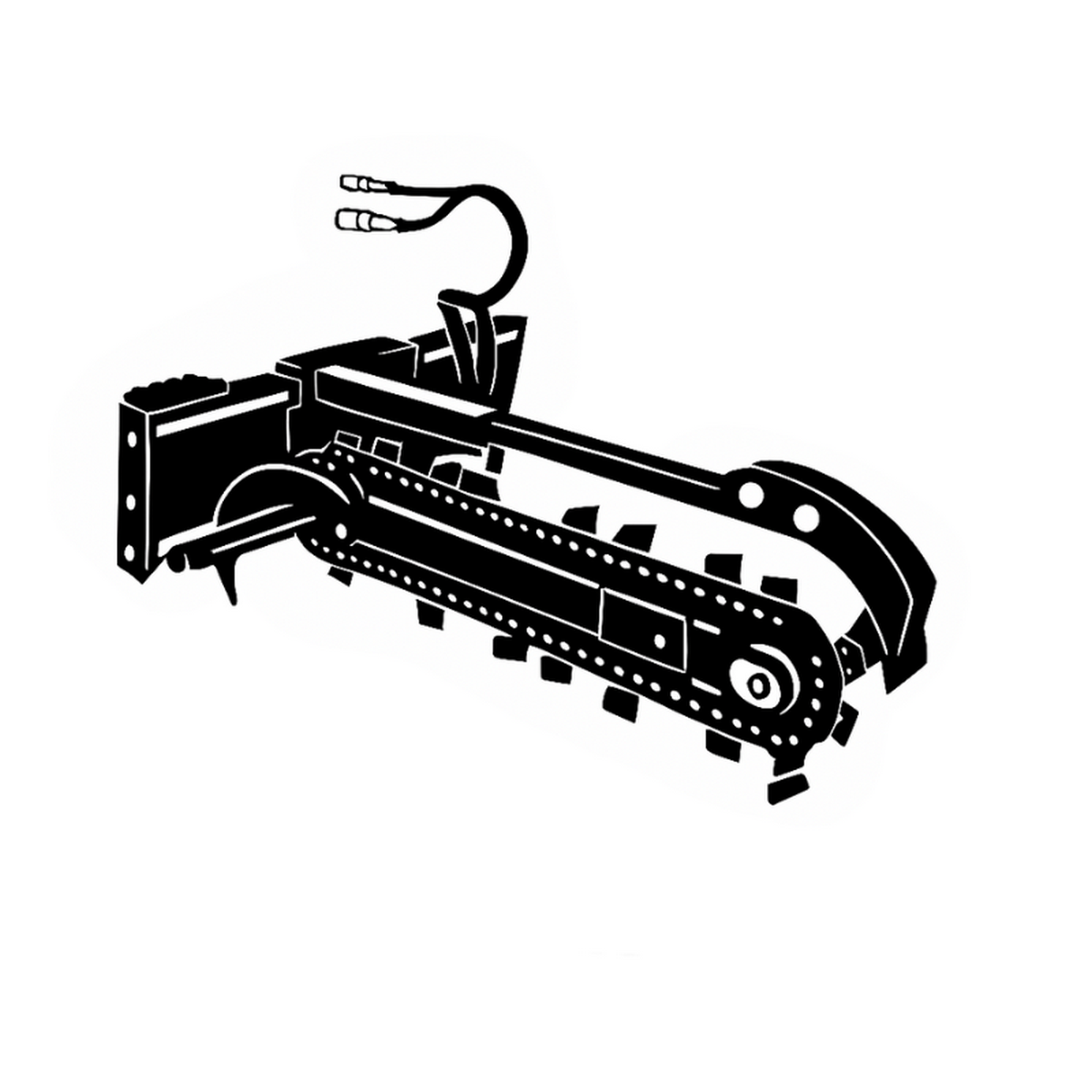 Chain trenchers
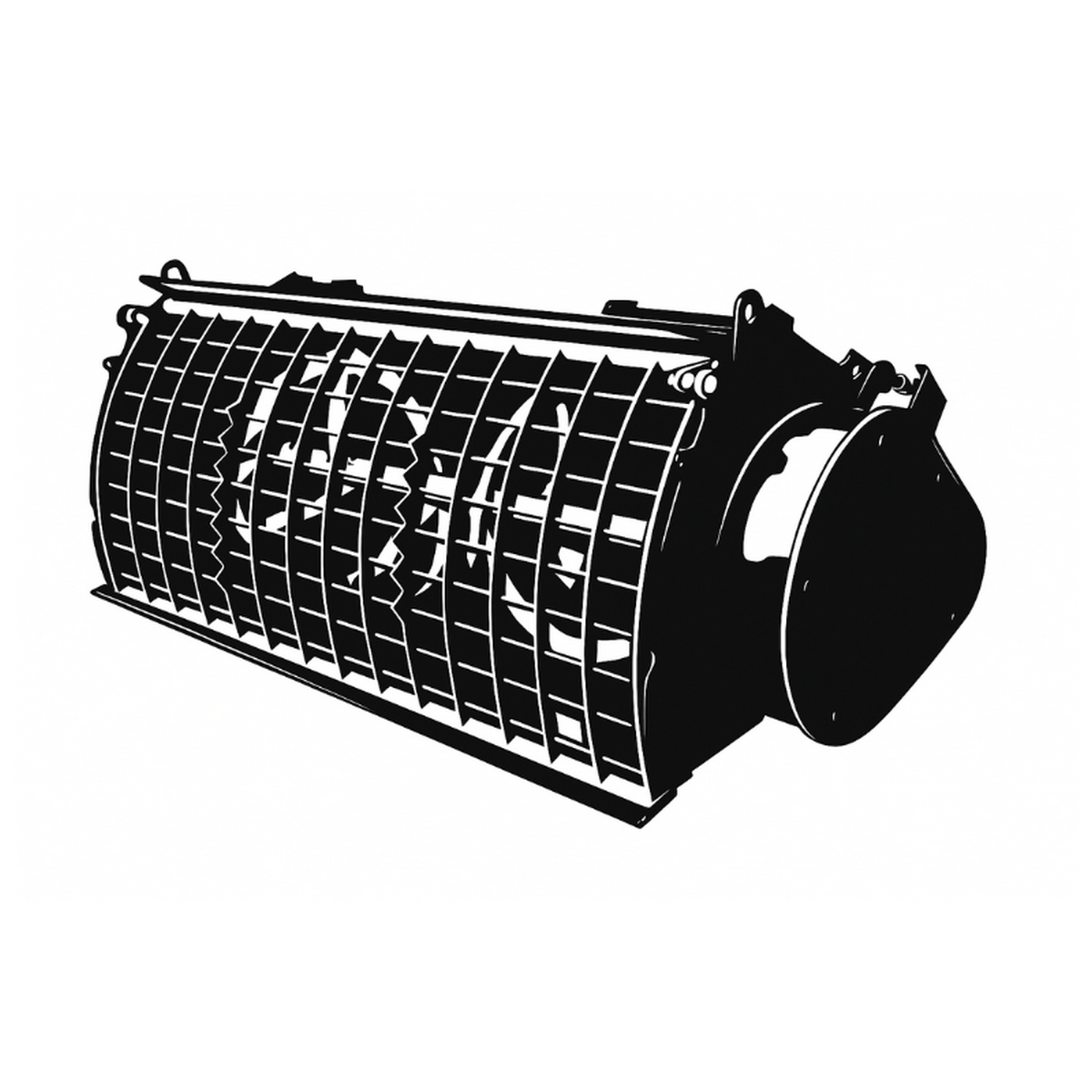 Mixing buckets for excavators
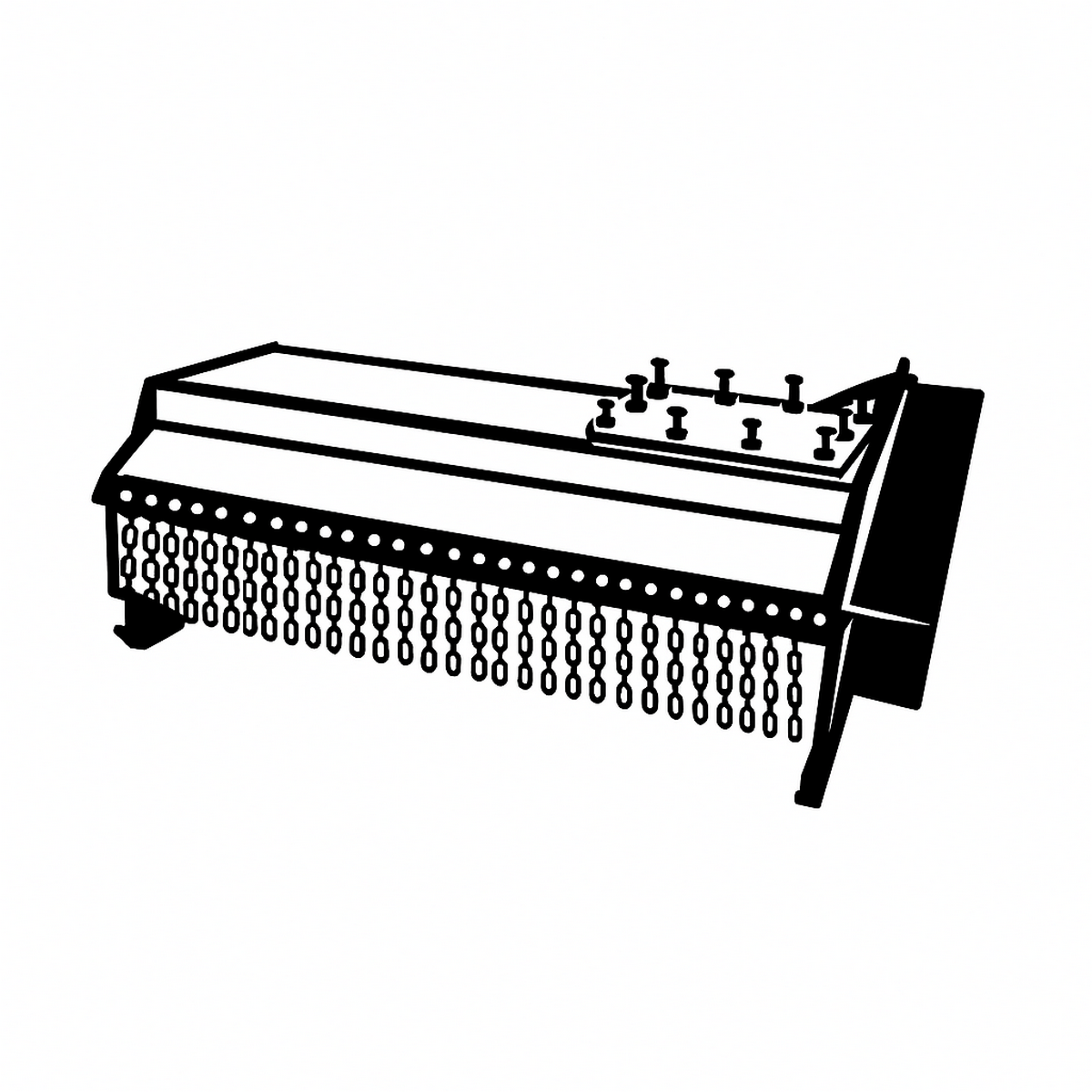 Flail mowers
The wrong bucket can spoil even the best-looking job - it increases combustion, puts strain on the hydraulics and causes the excavator to start fighting its own attachment instead of running smoothly. If you want to know how much an excavator bucket really weighs, how to relate its weight to the lifting capacity of the machine and what to look out for before you hook it up or order it, this guide is for you. Here you will find concrete figures, practical diagrams and tips that make sense in a real operator's job.
How much does an excavator bucket weigh in practice? Actual figures you should know before you start work
Excavator bucket weight is one of those pieces of information that make a real difference to how a machine works, yet is often treated lightly. In practice, the spread is considerable - from a few tens of kilograms for mini excavators to over two tonnes for large tracked machines. For 1-3 tonne excavators, standard buckets typically weigh between 50 and 200 kg, with a narrow 25 cm digging bucket capable of weighing around 90 kg and a wide, light backhoe bucket as low as 40-50 kg. As the machine class increases, the weight of the attachment increases very quickly - with 9-15 tonne excavators, a typical hydraulic ditching bucket is already 300-500 kg, and with 13-17 tonne machines you are often approaching 700 kg of steel alone, without a gram of excavated material. On large 30-40 tonne excavators, 1300-2000 kg values are becoming standard, and on 50 tonne machines no one is surprised by a bucket weighing over 2100 kg. These are real figures from the market, not catalogue minimums that only work in theory.
It is also worth remembering that the weight of the excavator itself is only a reference point. The width of the bucket, its design, sheet thickness and reinforcements can change the weight by up to several hundred kilograms in the same class of machine. A bucket for light soil work will be noticeably lighter than a version suitable for clay or stone mixes. Then there are specialist buckets, such as screening buckets for excavators, which are inherently heavier than classic digging buckets because they have a drum, basket or screening mechanism. On small machines, such a bucket can weigh 150-300 kg, while on larger grades it can even weigh over a tonne, which changes the nature of the work dramatically. That's why it's a good idea to know the specific weight of a particular bucket before you go out on a job, rather than relying on a generic fork - it saves time, fuel and nerves from day one.
|
Excavator weight (t) |
Typical bucket weight (kg) |
Recommended capacity (m³) |
Example max. lifting capacity (kg, with bucket) stnd-machinery+1 |
|
1-3 |
50-200 |
0,01-0,3 |
300-500 |
|
6-10 |
250-500 |
0,3-0,6 |
800-1200 |
|
13-20 |
500-1000 |
0,6-1,2 |
1500-2500 |
|
30-40 |
1200-2000 |
1,5-2,5 |
3000-5000 |
|
40+ |
1800+ |
2,5+ |
5000+ |
Excavator bucket - weight vs machine capacity. A simple scheme that protects the equipment and the operator's nerves
The relationship between bucket weight and excavator lifting capacity is a subject that directly affects the safety and life of the machine. The key rule is simple and follows directly from the manufacturers' specifications - the weight of the bucket together with the excavated material should not exceed 10-15% of the machine's lifting capacity at a given overhang. You always check the lifting capacity in a table in the manual or technical documentation, as it depends on the length of the arm, the position of the attachment and the stability of the ground. In practice, this means that if an excavator has a lifting capacity of around 2,000 kg at the arm, a safe configuration is a bucket weighing a maximum of 700-800 kg and a load of 1,100-1200 kg. This is not an 'eye' provision, but the limit at which the hydraulics and design work at their optimum.
Then there is the weight of the material itself, which is easy to convert if you know the bucket capacity. Simply take the volume in m³, multiply by the density of the soil - for sand it's about 1.6 t/m³, for clay 1.8 t/m³ - and factor in a fill factor of 75%. In practice, this means that a 1 m³ bucket loaded with clay weighs about 1350 kg in real terms, rather than the 'textbook' 1800 kg. This simple scheme avoids the machine losing stability, operating at its limits or starting to react slower than it should. With sifting buckets, this subject is even more important - here, in addition to the excavated material, there is the weight of the working mechanism, and overloading takes its toll on the hydraulics and rotators very quickly. If you check the figures beforehand, you work more smoothly and without having to watch every movement nervously, and it is worth remembering that the weight and width of the bucket can affect combustion, especially during continuous operation and when fully loaded.
Too heavy a bucket? This is where the problems start - combustion, hydraulics and unnecessary risk.
A bucket that is too heavy is one of the most common reasons why an excavator performs less well than it should, even though technically "everything is fine". The first sign is a noticeably higher fuel consumption, because the engine and hydraulics are constantly working under a heavier load. The machine reacts slower, movements become less smooth and the operator starts to compensate with more gas. In the long term, this leads to overheating of the hydraulic oil, faster wear of pumps and valves, and overloading on the arm and cylinders. These are not theoretical dangers - such wear and tear can be seen very quickly, especially when working continuously in heavy ground. Added to this is the loss of stability, especially at maximum reach or working on uneven ground where safety margins are minimal.
A separate problem is the mismatch between bucket and type of work. A heavy, reinforced bucket designed for rock, used in light ground, is unnecessary ballast that adds nothing but more weight to the machine. Excavator screening buckets, on the other hand, although extremely useful for material segregation, require particular care in selection - their own weight and the nature of the work mean that a machine that is too weak will quickly 'get the job done'. The risk is not only in terms of equipment, but also in terms of operational safety, as an overloaded excavator is less responsive to manoeuvres and more difficult to control. If you choose your bucket sensibly, the machine runs smoothly, predictably and without unnecessary stress, and you concentrate on the job at hand rather than fighting with the equipment.
How to choose a bucket for a particular excavator - a quick checklist from the operator
Selecting a bucket starts with specific technical data, not just the weight of the excavator listed on the side. First you check the machine's lifting capacity in the documentation, noting at what overhang it is stated. Then you determine the maximum weight of the bucket including the load, sticking to a safe range of 10-15% of the lifting capacity. The next step is the actual bucket capacity, not the 'on paper' value - in practice, it is always how much material you actually scoop that counts. The type of soil makes a huge difference, as rock or material with a lot of stone can increase the load by up to 30-40% compared to sand. This is the point at which many poorly chosen sets start to cause problems after only a few hours of work.
Finally, purely technical issues come in, which are often downplayed but determine compatibility. Pin diameter, ear spacing, mounting width - all of these are worth measuring physically, preferably with a calliper and steel gauge, rather than relying on vendor descriptions. With screening buckets, you additionally look at the hydraulic requirements, as not every excavator in the class can handle them without a drop in performance. If you go through this checklist step by step, you will avoid costly mistakes and the bucket will become a real support in your work, rather than another problem to be solved. It's an approach that really pays off - both in the day-to-day work and in the longer term life of the machine.
Excavator attachments vary depending on the class of machine - different solutions are used for mini excavators of 1 - 3.5 tonnes and others for mini excavators of 3.5 - 7 tonnes, because as the weight of the mini excavator increases, the requirements for strength, weight and attachment design change. If you want safe, efficient and predictable operation, choosing the right bucket should not be a coincidence. At Techna Polska, you will find excavator attachments of the highest quality, designed with real working conditions in mind and tailored to different classes and types of machines - from mini excavators to heavy construction equipment. With the ability to precisely select the bucket to suit the lifting capacity, type of soil and specifics of the work, you are investing in equipment that works effectively from day one and realistically supports your machine rather than weighing it down.
 Previous
