
 Shears, demolition jaws for excavators
 Hydraulic drill rigs
 Hydraulic pile drivers for excavators
 Screening buckets for excavators
 Hydraulic grapples for excavators
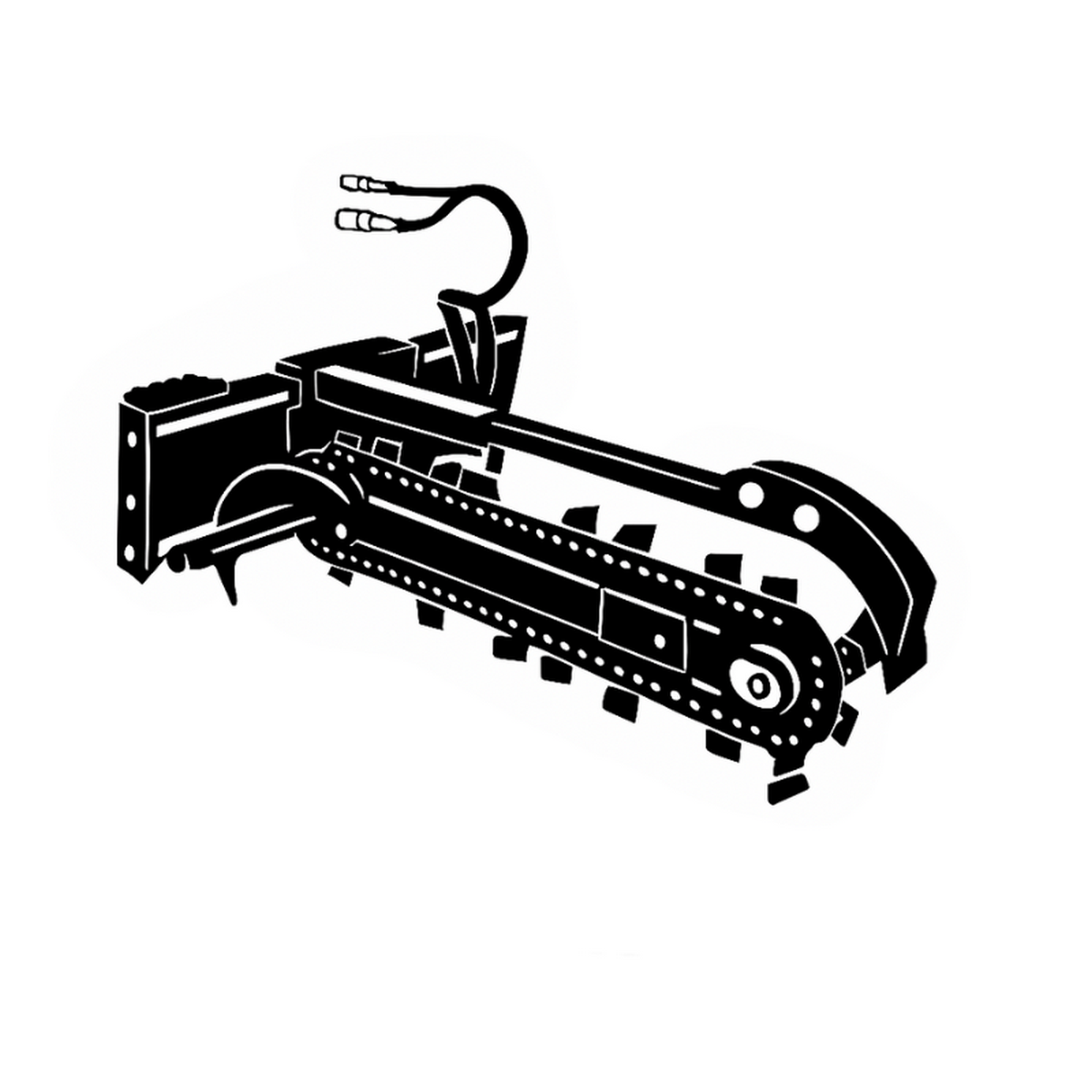 Chain trenchers
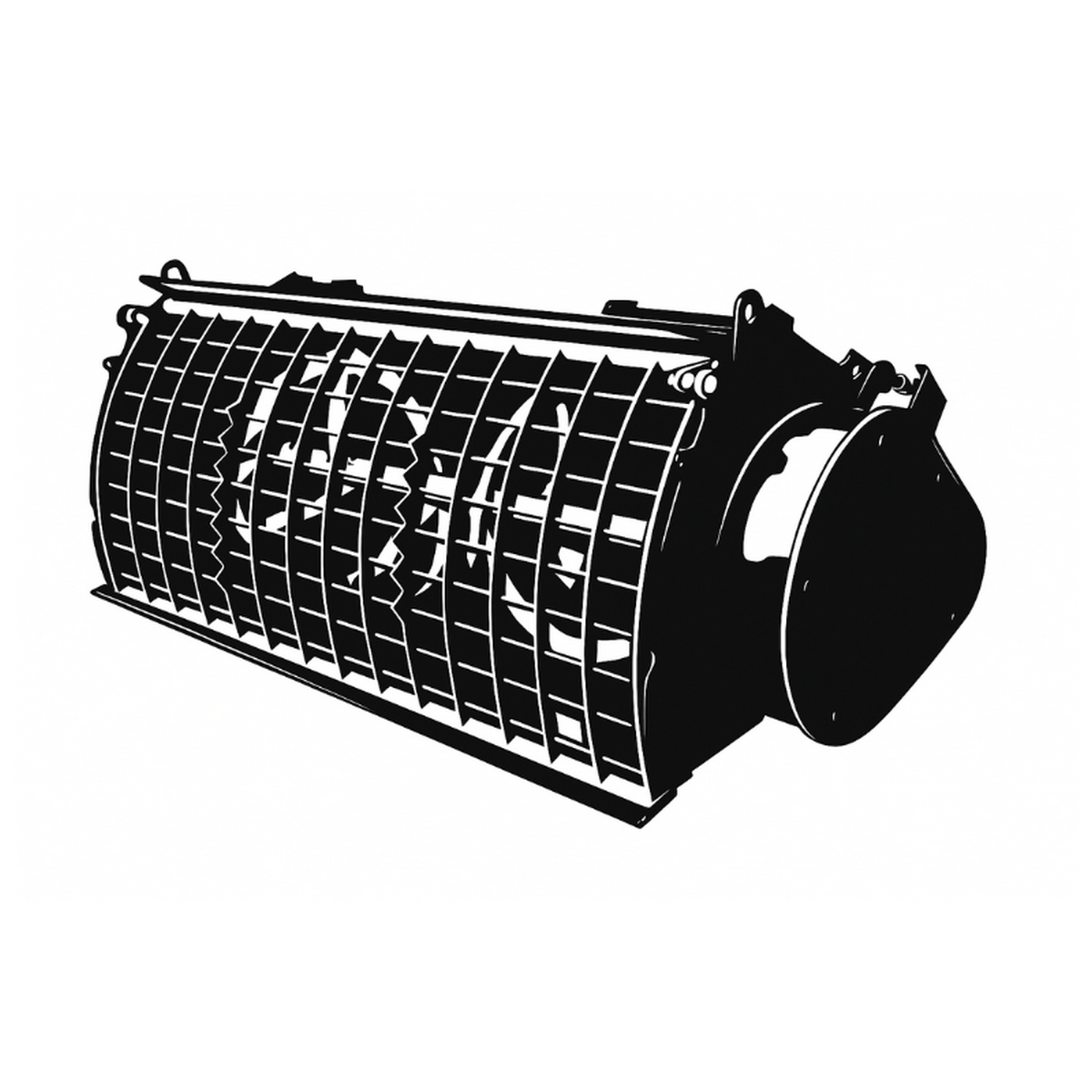 Mixing buckets for excavators
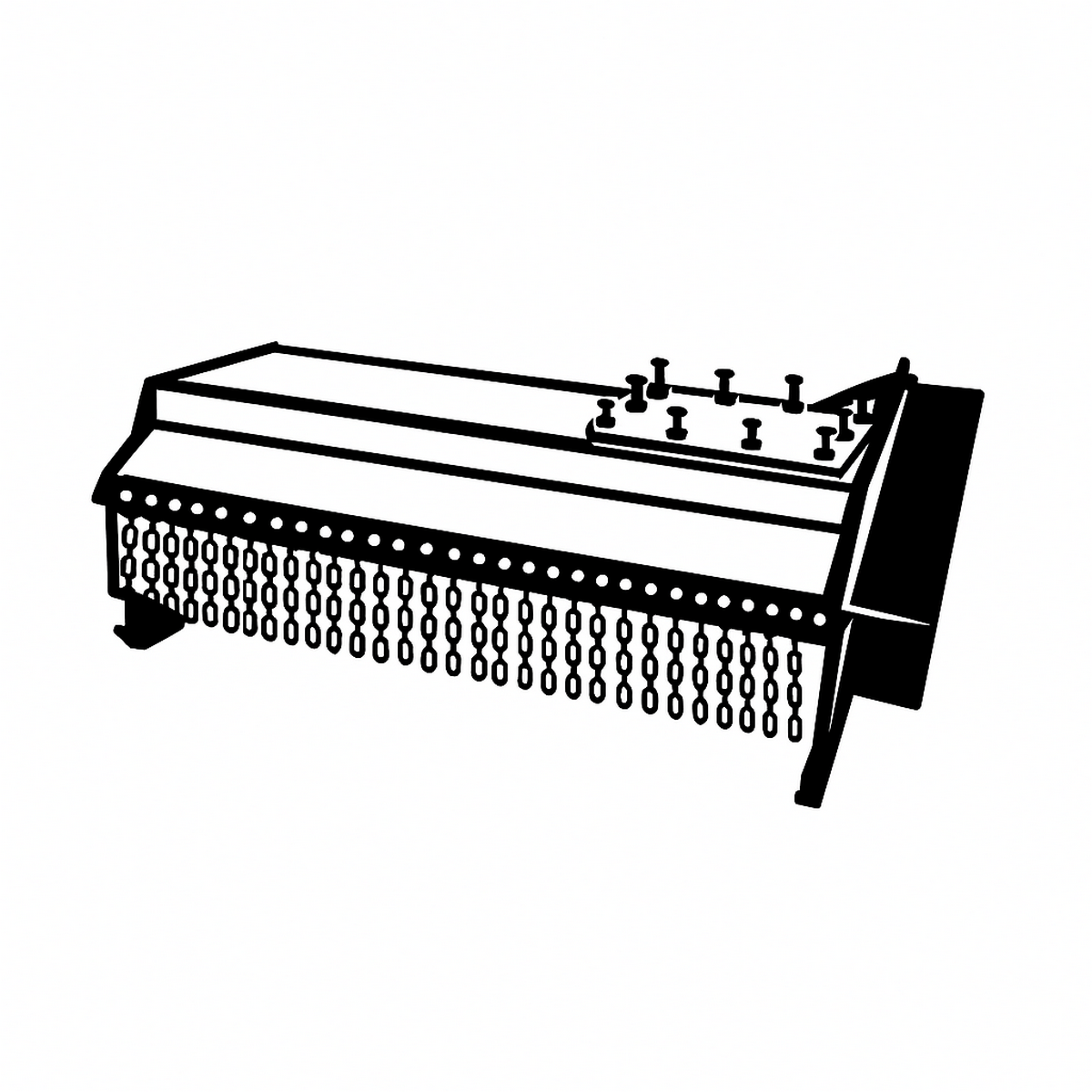 Flail mowers
Choosing the wrong drill rig for your excavator can cost you up to £40,000 a year in lower productivity, higher service costs and premature wear and tear on your equipment. There are eight different types of drill rigs available, ranging from universal hydraulic to specialised pneumatic to precision electric. Each type has its own optimum applications and limitations, and choosing the right one can increase productivity by up to 60 per cent. Did you know that a pneumatic drill rig works three times faster in granite than a hydraulic one, but in soft ground it can be completely unprofitable? Find out how to choose a drill rig for your type of business and avoid costly investment mistakes.
Hydraulic versus pneumatic - which drill rig actually pays off in your case?
Choosing between a hydraulic or pneumatic drill rig is one of the most important decisions you will make when buying excavator attachments. At first glance, it may seem like just a matter of technical preference, but in reality, the difference in operating costs can be as much as 40 per cent per year.
- Hydraulic drill rigs for construction machinery dominate the Polish market for a simple reason - they are versatile and work well in most applications. They use the excavator's hydraulic system, which means there are no additional costs associated with purchasing and operating a compressor. Torque and speed adjustments are infinitely variable, allowing the parameters to be fine-tuned to the specific soil type.
- However,pneumatic drill rigs have their undeniable advantages, especially if you are working in hard rock or concrete. The high impact frequency makes them almost unbeatable in granite or concrete structures. In addition, the lack of risk of overheating the hydraulic system is a huge advantage when working for long periods in difficult conditions. Service costs are typically 30-50 per cent lower than hydraulic systems, but you do have to bear in mind the cost of the compressor - both purchase and operation. The fuel consumption of a compressor can significantly affect profitability, especially at current diesel prices.
The practical differences only become apparent during day-to-day operation. Hydraulic drill rigs offer better control and smoothness of adjustment, which translates into greater drilling precision and the ability to work in delicate soils without the risk of disturbing them. Pneumatic ones, on the other hand, are virtually indestructible in hard materials - where a hydraulic one will tire and overheat, a pneumatic one will run for hours without issue. The simplicity of design of pneumatic systems also means there are fewer components that can fail, resulting in higher operational reliability in the long term.
Eight types of excavator drills - a comprehensive selection guide for every material!
The excavator drill rig market offers eight basic drive types, each with its own specific applications and limitations.
- Hydraulic drill rigs are the absolute leaders in popularity in Poland, accounting for around 75 per cent of all units sold. Their success is due to their versatility - they perform equally well in soil, and compatibility with most excavators means you don't have to worry about technical fit. Ease of control and simple servicing are additional benefits that operators and construction company owners alike will appreciate.
- Pneumatic drill rigs are specialists for the toughest jobs. Their high impact frequency makes them the ideal choice for drilling granite, concrete or chipping rock. Low maintenance requirements and no risk of overheating the hydraulics are features you will appreciate during intensive work in difficult conditions.
- Pneumatic-hydraulic drill rigs combine the advantages of both systems - air pressure provides the impact power, while the hydraulics provide control and precision. This solution is ideal for mixed ground conditions, where you will encounter both soft layers and rocky sections.
- Electric drills are gaining popularity in industrial sites and confined spaces where zero emissions and low noise are key. Their high precision and ease of integration with automation make them ideal for precision laboratory probing.
- Diesel drills , on the other hand, are the solution for those who need maximum mobility and independence from the mains power supply. Petrol or diesel engines provide high drilling power and the ability to move quickly between construction sites.
- Magnetic drilling rigs are highly specialised machines for drilling into steel structures. The magnetic mounting base provides stability on vertical and horizontal steel surfaces, which is impossible to achieve with traditional methods.
- Direct-drivemechanical drilling rigs are the simplest in design, ideal for light to medium ground work. Their low purchase price and high reliability make them popular with smaller construction companies.
- Impact drills combine drill rotation with pneumatic or mechanical impact, making them indispensable in reinforced concrete and hard rock.
Hydraulic drill rigs for JCB are increasingly being used on today's construction sites to facilitate drilling for fences and power poles. Similar functionality is offered by the CAT excavator drill rig, known for its durable construction and powerful drive. Kubota construction machine drills are ideal for utility work, while Bobcat's compact excavator drills are prized for their easy installation and precision.
Granite, reinforced concrete or soft soil? Table for matching drill rig to material
Choosing the right drill rig for a particular material is a key decision that affects work efficiency, operating costs and equipment life.
- Soft soil and earth is the domain of hydraulic drill rigs for tracked excavators, which provide infinitely variable speed and torque control. In such conditions, pneumatic drills would be overkill - their percussive power is simply unnecessary and the cost of running the compressor unjustified. Continuous Flight Auger (CFA) hydraulic systems are ideal for drilling foundation piles in cohesive soil, providing controlled speed and minimal disruption to the soil structure.
- Hard rock, granite and basalt require a completely different approach. This is where pneumatic drills show their true value - the high impact frequency allows for efficient crushing of hard materials, something you cannot achieve with rotation alone. Impact drills are just as effective, especially when combining rotation with pneumatic impact. In such conditions, hydraulic ones can overheat and exhibit much lower performance.
- Reinforced concrete is a material that poses particular challenges - reinforcing steel requires precise drilling and high-strength concrete needs impact force.
- Mixed ground conditions are the biggest challenge for any operator. Transitions between soil and rock layers require a drill rig that can handle both soft ground and hard rock. Pneumatic-hydraulic drill rigs are the ideal solution for these situations - the pneumatic impactor copes with rock, while the hydraulic control ensures precision in soft layers.
- Morays and sandstones are typical examples of materials where the versatility of such a solution shows its value. Hydraulic mini-excavator drills work well in confined spaces where precision and control are more important than pure power.
Remember that the cheapest option rarely proves to be the most cost-effective. Investing in the right type of drill rig can mean the difference between a profitable business and struggling to survive in a competitive construction services market. Need help choosing the right drill rig for your excavator?
Get in touch with our experts at TechnaPoland - we will analyse your job profile free of charge and select the optimum drill rig for your needs. Don't make a decision worth tens of thousands of zloty blindly - take advantage of our experience and save time and money.
Foundations, anchoring or geotechnical investigations - which rig should I choose for a specific job?
The type of work you are doing determines your choice of drill rig as much as the material you are working in.
- Foundations and piles are an area where CFA hydraulic drill rigs have no competition. Continuous Flight Auger technology allows simultaneous drilling and concreting, significantly speeding up the foundation process. Controlled drilling speed ensures minimal ground disturbance, which is crucial for foundations in urban developments. Torque can be precisely adjusted to the bearing capacity of the soil, avoiding excessive loosening or compaction.
- Anchoring and protection require a completely different technical approach. Pneumatic drill rigs are ideal for the installation of soil and rock anchors, where a precise hole with smooth walls is crucial for proper load transfer. High-pressure pneumatic systems allow clean drilling, which is essential for steel anchors that require good adhesion. Hydraulic drill rigs for backhoe loaders are used for lighter anchor work, especially in non-rocky ground.
- Geotechnical investigations are an area requiring maximum precision and minimal impact on the soil structure. Vertical hydraulic drilling rigs with a drilling mud system ensure intact soil samples are taken at various depths. Pressure and velocity control allows the natural structure of the geotechnical layers to be preserved, which is crucial for the reliability of the tests. Automatic parameter recording systems of modern hydraulic drill rigs allow continuous monitoring of drilling resistances, providing valuable data on soil properties even before laboratory analysis of samples.
Cost analysis - why might the cheapest drill rig cost you the most?
The true cost of a drilling rig is not just the purchase price, but the total cost of ownership over its lifetime.
- Mechanical drill rigs may seem attractive due to their low entry price and minimal service costs, but their limited power and versatility may mean that additional equipment needs to be purchased for more difficult tasks. The opportunity cost of taking longer to complete the work often outweighs the savings on purchase. The simplicity of the design is an advantage, but also a limitation - the lack of sophisticated control systems can lead to lower quality holes being drilled and having to be corrected or redone.
- Hydraulic drill rigs have an average investment cost, but their versatility means high efficiency of use. One piece of equipment can replace several specialised pieces of equipment, significantly reducing the overall cost of purchasing and maintaining a fleet. Simple servicing and wide parts availability are additional financial advantages - repair costs are predictable and downtime is minimal. Compatibility with most excavators also means a higher resale value compared to specialised solutions with limited applications.
- Pneumatic drill rigs require investment in a compressor, which significantly increases the cost of entry. A compressor with a capacity of 15-20 m³/min costs an additional £80-120,000, not including transport and handling costs. The fuel consumption of the compressor can be 20-30 litres per man-hour, which at current diesel prices means an additional PLN 120-180 cost per man-hour. On the other hand, the low service requirements of the drill rig itself and the high performance in hard materials can quickly repay the additional investment with the right work profile.
Electric drill rigs have moderate purchase costs, but require constant access to the power grid, which limits their mobility and versatility. Electricity costs are typically lower than fuel, but the need to provide electrical infrastructure on site can generate additional expenses. High precision and repeatability translate into higher quality work, which can justify the price premium offered to customers for precision drilling on industrial sites.
 Previous
